-
 17 injured, five critically, in head-on train crash in Denmark
-
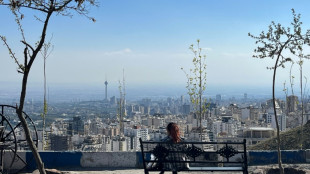
Iran economy looks set to withstand US naval blockade
-
 EssilorLuxottica sales slide as investors turn wary of AI glasses
-
Lufthansa loses fight over bailout at EU top court

-
 Eurozone business activity falls on Mideast war
-
Leipzig and Union's Bundesliga clash shows changing face of football

-
 Trump envoy wants Italy to replace Iran at World Cup: report
-
Electric vehicles supercharge EU car sales
-
 Starc cleared to play in IPL by Cricket Australia
-
South Korea e-commerce probe opens rift in US ties

-
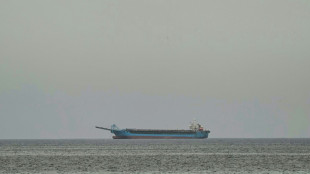 Clearing Hormuz Strait mines could take six months: report
-
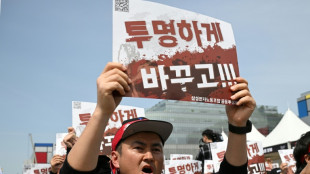
South Korea's Samsung workers rally in thousands as strike looms
-
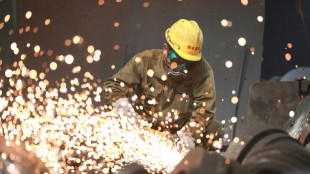 US firms voice 'concern' over China's new supply chain rules
-
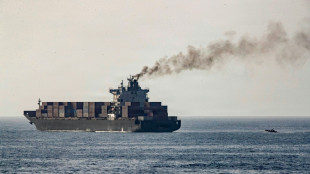
Iran says won't reopen Hormuz if US upholds naval blockade
-
 Japanese team with school coach to cap remarkable journey to the top
-
UN leadership hopefuls stress need for peace and restoring confidence
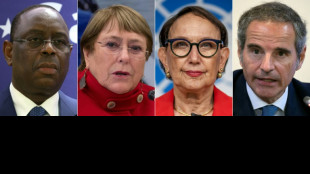
-
 France must avoid becoming 'hostage' on critical minerals: trade minister
-
Thunder roll past Suns, Pistons bounce back to level series with Magic

-
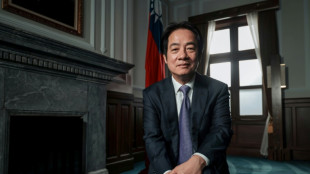 US says China used 'intimidation' to block Taiwan leader's Africa trip
-
Suarez off mark but Messi fires blanks as Miami beat Salt Lake

-
 Inter ready to pounce for Serie A title glory as Milan host Juve
-
Fresh paint, careful choreography as pope visits African prison
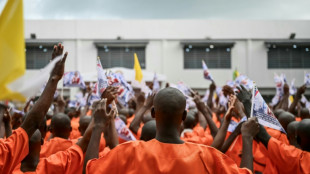
-
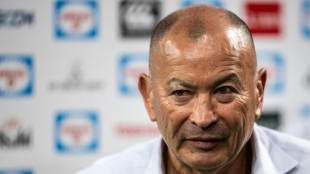 Jones calls on Australian fans to get behind Japan at World Cup
-
Sellers in China trade hub seek tariff reprieve from Trump visit
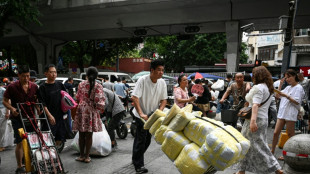
-
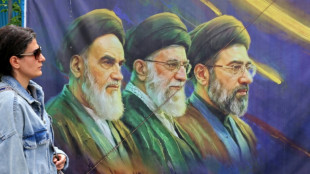 Stocks sink and oil rises with Iran, US no closer to peace talks
-
'Dancing in their hands': Japan wig masters set stage alive

-
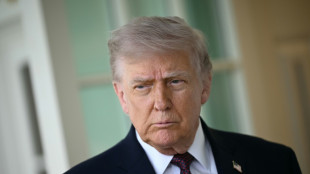 Climate scrubbed from G7 meeting to appease US, host France says
-
Trump, his 'low IQ' slur, and the right's race obsession

-
 Chip giant SK hynix posts record quarterly profit on AI boom
-
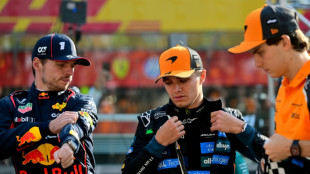
'Big loss' for F1 if Verstappen quits, say McLaren rivals
-
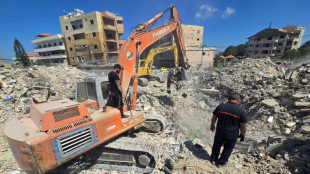 Israeli strikes kill 5 in Lebanon, Beirut to seek truce extension
-
Barca edge Celta but lose match-winner Yamal to injury

-
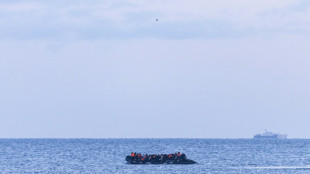 UK, France agree three-year deal to stop migrant crossings
-
Trump looks for way out on war, but Iran may not oblige
-
 Tears and smiles at tribute concert for Swiss fire victims
-
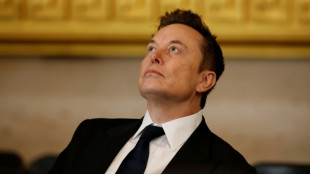
Tesla reports higher profits, topping estimates
-
 Manchester City go top of Premier League as Burnley relegated
-
Kane and Diaz send Bayern past Leverkusen into German Cup final

-
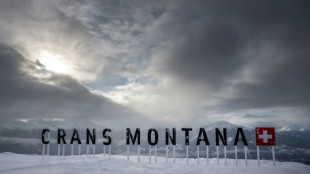 Concert pays tribute to Swiss fire disaster victims
-
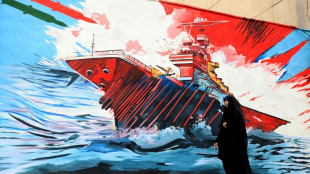
US stocks rise, shrugging off uncertain ceasefire prospects while oil prices jump
-
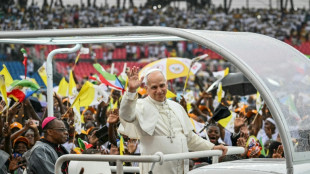 Pope hits out at jails in closed-off Equatorial Guinea
-
Atletico beaten again in Elche thriller

-
 England rugby great Moody offered 'hope' in battle with motor neurone disease
-
PSG roll over Nantes to move closer to Ligue 1 title

-
 Ecuador doctors protest crisis as patients bring own meds to surgery
-
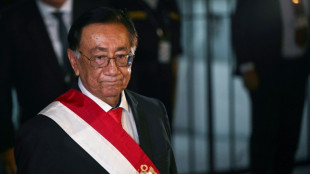
Top Peru ministers quit in protest over stalled US fighter jet deal
-
 De La Hoya and Ali's grandson slam proposed federal boxing reform
-
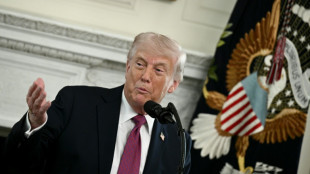
Trump alleges Democratic-backed Virginia referendum was 'rigged'
-
 Archer, Burger help Rajasthan beat Lucknow in IPL
-
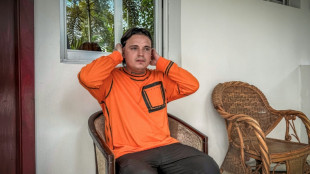
Migrants deported from US stranded, 'scared' in DR Congo
Bolivia at breaking point
In recent months, Bolivia has lurched from crisis to crisis. Long queues at gas stations, sporadic road blockades, and clashes between rival political camps have fed fears of a broader internal conflict. A year after a failed military putsch shook La Paz, the country now faces a decisive political transition against the backdrop of a rapidly deteriorating economy. As of August 18, 2025, preliminary results point to an October 19 runoff that ends two decades of dominance by the ruling movement—an inflection point that could steer the country toward stabilization or push it closer to a dangerous spiral.
A political rupture with violent undertones
Bolivia’s governing bloc fractured into warring factions after the split between President Luis Arce and his onetime mentor, former president Evo Morales. That rift spilled into the streets this year: blockades, counter-mobilizations, and deadly confrontations were recorded in mining towns and highland corridors, with church leaders warning of a “spiral of violence.” Those tensions sit atop the still-raw memory of June 26, 2024, when armored vehicles briefly surrounded the presidential palace before the putsch collapsed and commanders were arrested.
The economic picture is grim. In January, a major rating agency cut Bolivia to CCC-, citing vanishing foreign-exchange buffers and looming external payments; by its estimate, the country faced around $110 million in Eurobond coupons this year with only about $47 million in liquid reserves at one point. Fuel imports—long subsidized—have repeatedly faltered, triggering national transport strikes, border disruptions, and days-long lines for gasoline and diesel. Inflation, once among South America’s lowest, surged to multi-decade highs through mid-2025.
A chronic dollar shortage has fractured the currency regime: while the official rate stayed near 6.96 bolivianos per dollar, a thriving parallel market developed. By late July the street rate hovered around 14 BOB per USD—stronger than its worst levels earlier in the year, but still far from the peg—underscoring lost confidence. As households and small firms struggled to access currency, some turned to crypto and informal finance as workarounds.
Gold and gas: lifelines with limits
To scrape together hard currency, authorities leaned on the country’s booming (and often opaque) gold trade, monetizing bullion to raise billions in fresh dollars—an emergency bridge, not a structural fix. Meanwhile, the gas engine that powered Bolivia for two decades has sputtered. Exports to Argentina ended in 2024 as output slumped, and in a symbolic reversal this year, Argentina began shipping Vaca Muerta gas through Bolivia toward Brazil using Bolivian pipelines—signaling how far the regional energy balance has shifted.
Why fears of wider conflict are not far-fetched
No single spark guarantees a slide into civil war, but several risk factors now overlap: factionalized parties with loyal street bases, pockets of armed actors and hardliners, a legitimacy fight around barred candidacies and court rulings, and an economy that can no longer cushion shocks with cheap fuel or a steady dollar supply. Independent monitors have recorded lethal violence tied to the intra-left feud, while civic leaders in blockaded towns report confrontations between residents, protesters, and security forces. Each new blockade erodes livelihoods, deepens scarcity, and shortens tempers—a classic recipe for escalation.
The runway to October—and what comes after
The first-round result has upended Bolivia’s political map: two opposition figures advanced and the ruling movement’s candidate finished far behind, all amid the worst macro stress in a generation. Whoever wins in October will inherit unpopular choices: rationalizing fuel subsidies, rebuilding reserves, restoring a functional FX market, and reviving the gas sector while speeding up transparent lithium and gold governance. Failure risks further shortages, more street battles over scarcity, and a dangerous normalization of political violence. Success demands a credible stabilization plan, broad buy-in from unions and regional elites, and early signals—like targeted cash transfers and a clear, time-bound subsidy path—to keep social peace while reforms bite.

Asylum seekers: Return centres – a Solution?
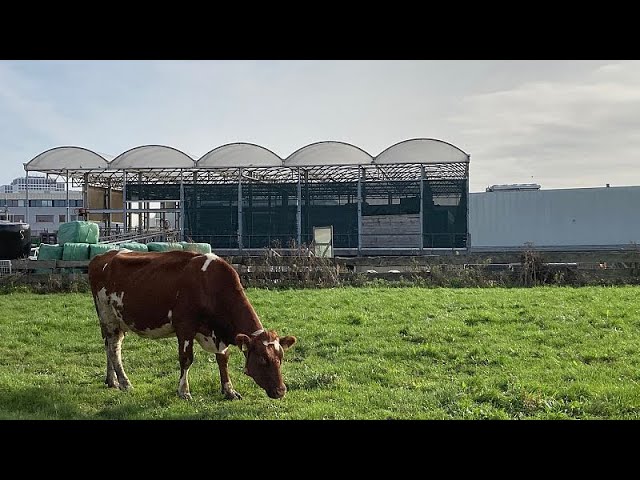
Climate change: A farm in Rotterdam

EU: Overcoming barriers to equality

Germany and its outdated pension system
How important is sustainable development?
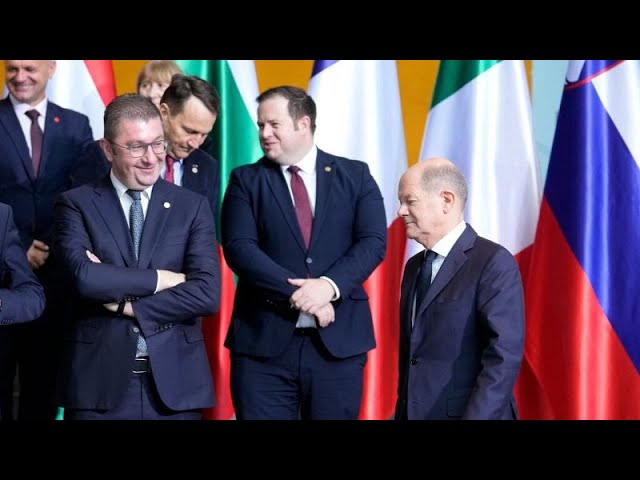
Berlin: EU-Summit of western Balkan heads of state
Putin's War Will Go Bankrupt if the Oil Prices Drop

Germany: The fight against economic migrants
Polish PM and the danger of asylum seekers
Ukraine: Recruiters searched Kyiv venues

EU: Austrian elections shake Establishment