-
 Turkey arrests 110 coal miners on hunger strike
-
Associated British Foods to spin off Primark clothes brand

-
 Pope visits Eq. Guinea on last stop of Africa tour
-
Hello Kitty's parent company to make own video games

-
 Di Matteo says 'vital' for faltering Chelsea to add experience
-
Ex-Spurs star Davids condemns 'lack of quality, lack of management'

-
 Turkmenistan, the gas giant increasingly dependent on China
-
Romanian AI music sensation Lolita sparks racism debate

-
 Timberwolves battle back to stun Nuggets in NBA playoffs
-
Eta appointment 'no surprise' for Union Berlin's ascendant women

-
 Democrats eye Virginia gains in war with Trump over US voting map
-
Tourists trickle back to Kashmir, one year after deadly attack

-
 Inside the world of ultra-luxury wedding cakes
-
Chinese AI circuit board maker soars on Hong Kong debut

-
 Oil prices dip, most stocks rise on lingering Iran peace hopes
-
Tim Cook's time as Apple chief marked by profit absent awe

-
 Mitchell, Harden shine as Cavs down Raptors for 2-0 series lead
-
El Salvador's missing thousands buried by official indifference

-
 Trump's Fed chair pick to face lawmakers at key confirmation hearing
-
PGA Tour to scrap Hawaii opening events from 2027

-
 Amazon invests another $5 bn in Anthropic
-
Israel PM vows 'harsh action' against soldier vandalising Jesus statue in Lebanon

-
 Wembanyama wins NBA defensive player of the year
-
'The Devil Wears Prada 2' stars reunite for glamorous premiere

-
 El Salvador holds mass trial of nearly 500 alleged gang members
-
Apple's Tim Cook to step down as CEO in September

-
 West Ham's draw at Palace relegates Wolves, piles pressure on Spurs
-
Canadian tourist killed in Mexico archaeological site shooting

-
 Wolves relegated from Premier League
-
Oil jumps on Hormuz tensions, stocks mostly retreat
-
 Colombian environmental activist honored amid threats and exile
-
Gun battle traps more than 200 tourists at Rio viewpoint

-
 Alcaraz may skip French Open rather than rush injury comeback
-
Top US court to hear case of Catholic schools excluded from state funding

-
 Trump Fed chair pick to vow interest rate independence at key hearing
-
EU to host Taliban officials for talks on deporting Afghans
-
 Blue Origin probing rocket's failure to deliver satellite
-
Wembanyama 'changing the game as we speak', says Nowitzki

-
 Swiss football club turn down Kanye West concert approach
-
Leicester fairytale turns sour as relegation to third tier looms

-
 Pope Leo blasts 'exploitation' as he wrap up tour of resource-rich Angola
-
Varma ton revives Mumbai's IPL hopes with win over Gujarat

-
 Formula One makes rule changes after drivers' criticism
-
Singer D4vd charged with murder over teen's body found in Tesla

-
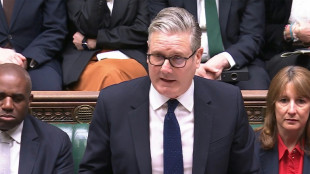 UK PM denies misleading MPs, says officials hid Mandelson info
-
Tit-for-tat blockades once again cripple traffic in Hormuz

-
 Cafu says 2026 World Cup is perfect time for Brazil to win again
-
Erdogan vows new measures after deadly Turkey school shootings

-
 Rose to take charge at Bournemouth after Iraola exit
-
Olympic status a massive 'boost' for squash says European champion Crouin

China’s profitless push
Can we keep up? Chinese companies are sacrificing margins—sometimes incurring outright losses—to win global market share in strategic industries from electric vehicles and batteries to solar and consumer tech. The tactic is turbocharging exports, pressuring Western competitors and forcing policymakers in Europe and the United States to erect new defenses while they scramble to lower costs at home.
Electric vehicles: a race to the bottom on price. In late spring 2025, China’s largest carmakers unleashed another round of steep price cuts, with entry-level models reduced to mass-market price points. Regulators in Beijing have since urged manufacturers to rein in the bruising price war, citing risks to industry health and employment. Yet the incentives keep coming as dozens of brands fight for share in the world’s most competitive EV market. The financial fallout is visible: leading pure-play EV makers continue to post substantial quarterly losses, while ambitious new entrants have acknowledged that their car divisions remain in the red even as sales surge.
Green tech: overcapacity meets collapsing margins. China’s build-out in solar has morphed from a growth engine into a profitability trap. Module and polysilicon prices have fallen so far that key manufacturers forecast sizeable half-year losses, and producers are now discussing a coordinated effort to shutter older capacity. Industry reports describe spot prices for feedstocks dipping below production costs, a hallmark of cut-throat competition that spills over into export markets and undercuts rivals globally.
Trade blowback intensifies. The U.S. has moved to quadruple tariffs on Chinese-made EVs and lift duties on batteries, chips and solar cells. The European Union has imposed definitive countervailing duties on Chinese battery-electric cars and opened additional probes across green-tech supply chains. Brussels and Beijing have even explored minimum export prices to reduce undercutting—an extraordinary step that underscores how acute the pricing pressure has become.
Deflation at the factory gate. China’s factory-gate prices remain in negative territory year on year, reflecting slack domestic demand and excess capacity. That weakness transmits abroad via cheaper exports, squeezing margins for manufacturers elsewhere and complicating central banks’ inflation-fighting calculus. Beijing has rolled out an “anti-involution” campaign to curb ruinous discounting and steer investment toward “high-quality growth,” but implementation is uneven and local governments still depend on industrial output to stabilize employment.
Scale, speed—and logistics. Chinese champions are not only cutting prices; they are redesigning logistics to keep them low. One leading EV maker has built its own fleet of car carriers and is localizing production via overseas factories to sidestep tariffs and port bottlenecks. Such vertical integration magnifies the advantage from sprawling domestic supply chains in batteries, motors and power electronics.
What this means for Western competitors. The immediate effect is a margin squeeze across autos, solar and adjacent sectors. The strategic response taking shape in Europe and the U.S. is three-pronged: (1) trade defense to buy time; (2) industrial policy to catalyze domestic gigafactories and clean-tech manufacturing; and (3) consolidation to rebuild pricing power. Companies that cannot match China’s cost curve will need to differentiate—through software, design, brand and service—or partner to gain scale. Even in China, the current “profitless prosperity” looks unsustainable: consolidation is inevitable, and state guidance now favors capacity rationalization over raw volume.
The bottom line. China’s price-first strategy is remaking global competition. Whether others can keep up will hinge on how quickly they can de-risk supply chains, compress costs and innovate without hollowing out profitability. For now, the contest is being fought as much on balance sheets as it is on assembly lines.

Power at the Heart of Iran

Cuba Strangled by US Pressure
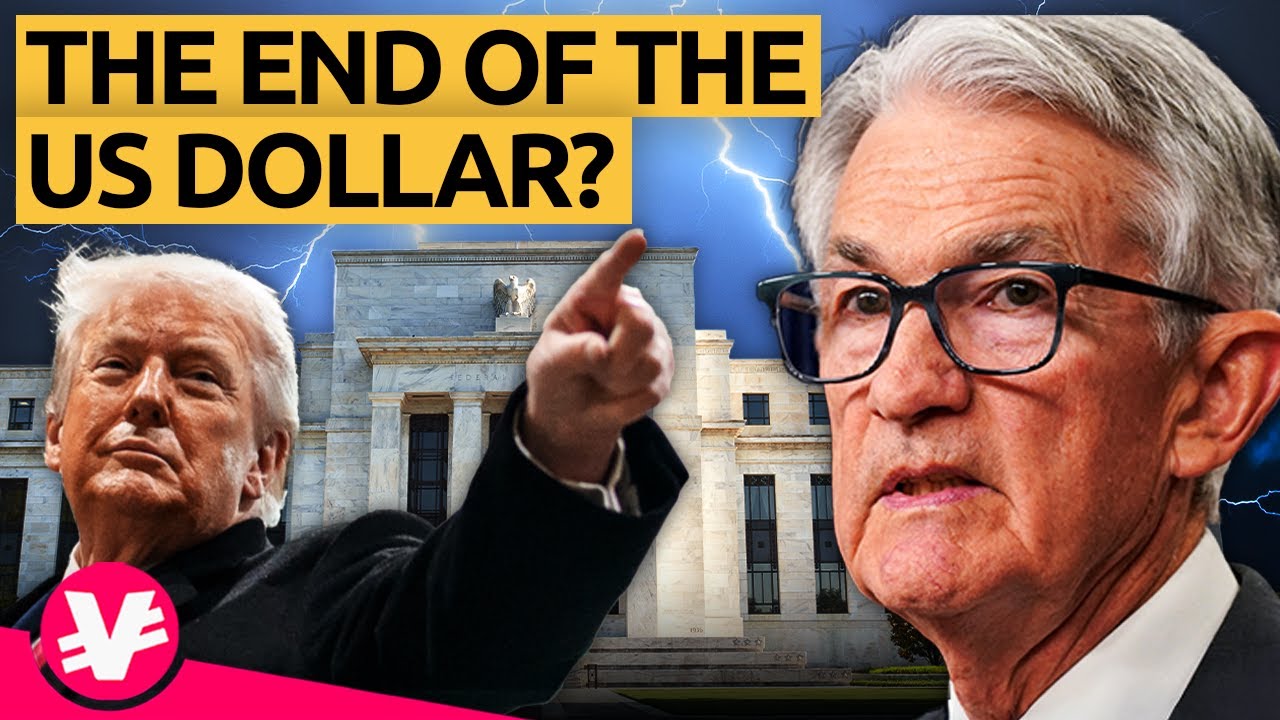
Trump's attack on the Dollar

Greenland Deal – and now?
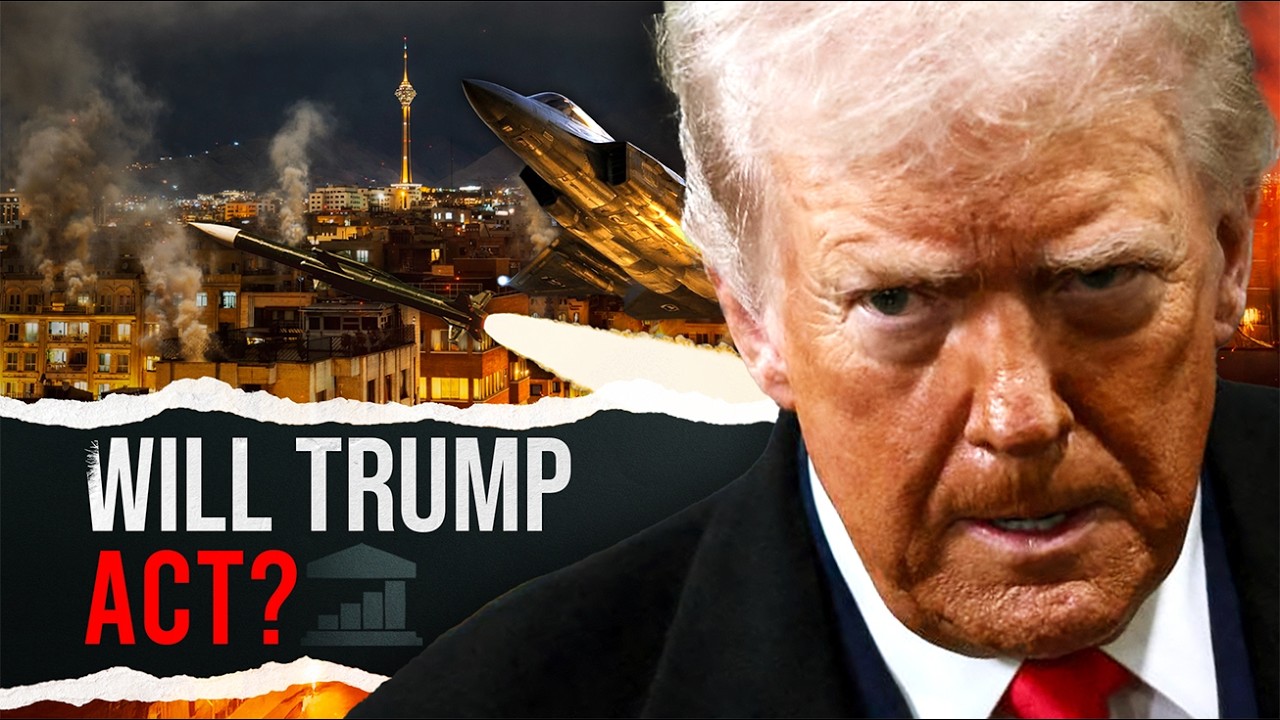
Trump's hesitation in Iran

Cuba’s bleak oil crisis

Venezuela’s economic roadmap
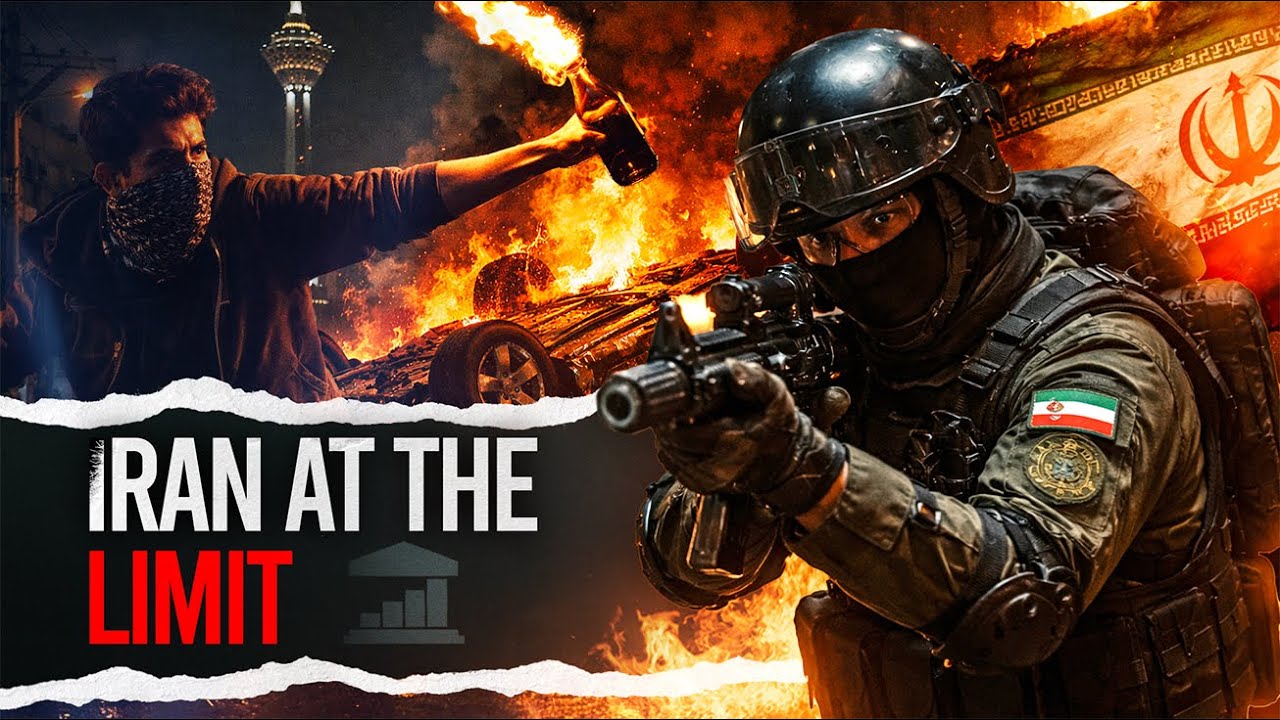
Iran unrest and US threats
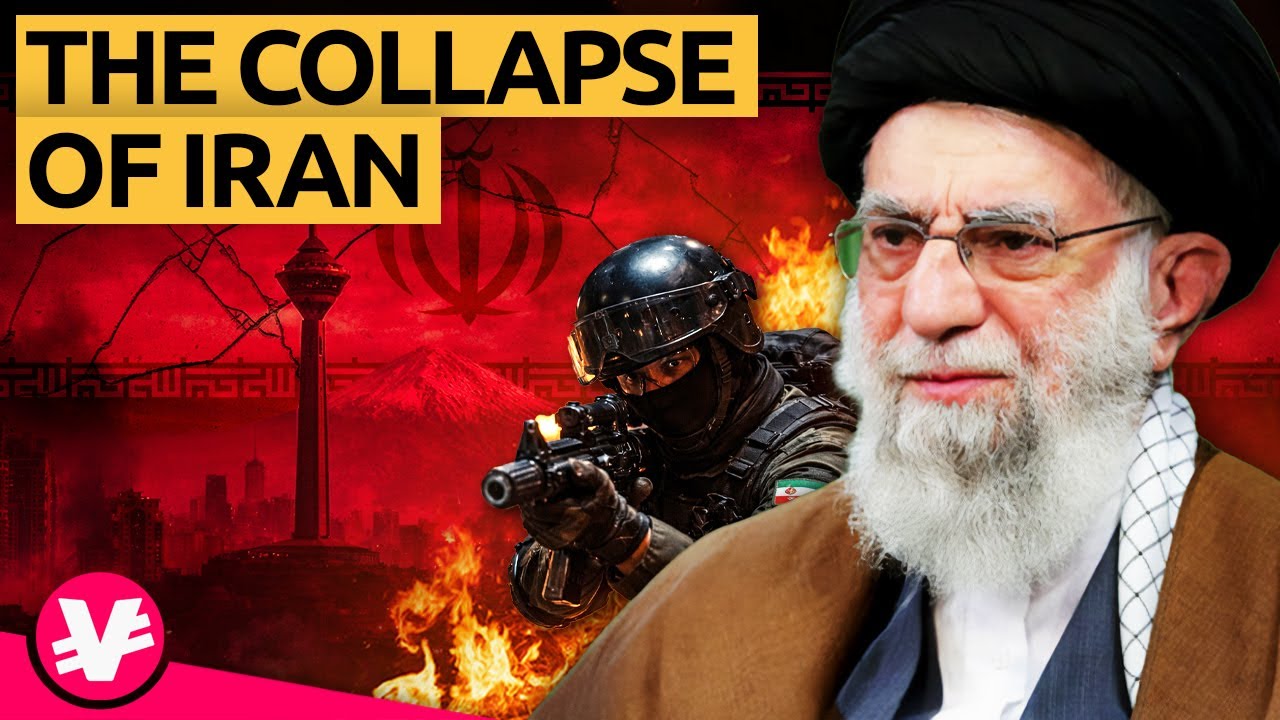
Iran's collapse fuels Revolt

Brexit's broken promises

France's debt spiral Crisis