-
 Mexico pyramid shooter planned attack, fixated on US massacre
-
Mbappe on the mark as Real Madrid sink Alaves

-
 Rosenior blasts Chelsea flops after 'unacceptable' Brighton defeat
-
Inter roar back to beat Como and reach Italian Cup final

-
 Lens sweep past Toulouse to reach French Cup final
-
Brighton crush Chelsea to pile pressure on under-fire Rosenior

-
 Strait of Hormuz blockade drives up costs at Panama Canal
-
Trump extends ceasefire, says giving Iran time to negotiate

-
 Michelle Bachelet hopes the world is ready for a female UN chief
-
Nowitzki, Bird among eight inductees into FIBA Hall of Fame

-
 Stocks fall, oil climbs amid uncertainty over US-Iran talks
-
Iran war means more orders for US defense giants
-
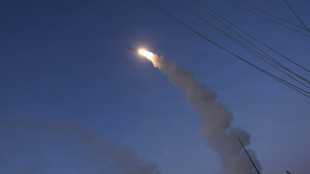
 Mexico pyramid shooting was planned attack, officials say
-
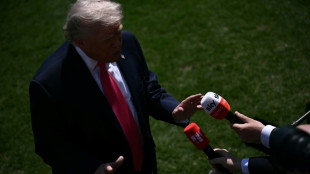
Trump's messaging on Iran grows increasingly erratic
-
 Churchill Downs buys Preakness for $85 million
-
Unregulated AI like speeding with no steering wheel: AI godfather Hinton

-
 Tourists return to Rio viewpoint after shootout scare
-
Maradona's daughter slams 'manipulation' of family by his doctors

-
 Abhishek's 135 powers Hyderabad to third straight IPL win
-
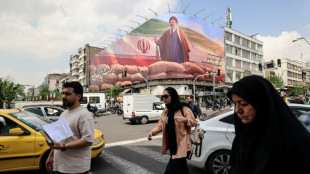
Vance still in Washington as uncertainty mounts over US-Iran talks
-
 No.1 Jeeno seeks first major win at LPGA Chevron event
-
New batch of World Cup tickets to go on sale

-
 Material girl: Madonna offers reward for missing clothes
-
Maker of Argentina's first Oscar-winning film, Luis Puenzo, dies at 80:

-
 Rape retrial hears Weinstein 'preyed' on aspiring US actress
-
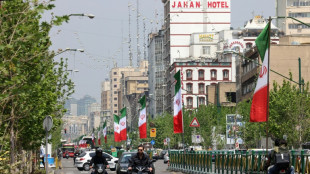
Arrests, hangings, blackout: Iran cranks up wartime repression
-
 Seixas relishes 'steep' challenge at Fleche Wallonne
-
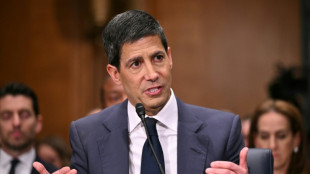
US Fed chair nominee says will not be controlled by Trump
-
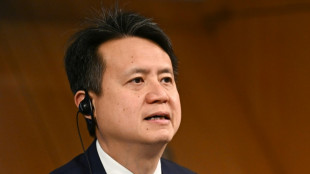 Singapore's Tang gets second term at UN's patent agency
-
Taiwan leader postpones Eswatini trip after overflight permits revoked

-
 Lula warns will respond after US expels police attache
-
Trailblazer Karren Brady steps down from West Ham role

-
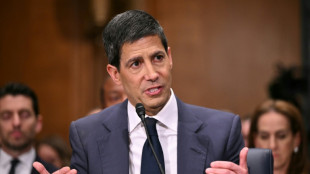 US Fed chair nominee says he will not be controlled by Trump
-
Stocks slip, oil climbs as US-Iran truce expiry looms

-
 In Portugal, Lula urges return to multilateralism
-
Sinner wants to use Madrid to boost career Grand Slam chances

-
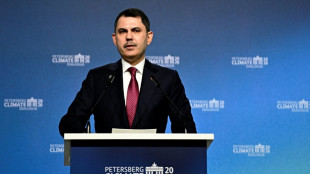 Renewables key to buffer fossil fuel energy shock: COP31 co-hosts
-
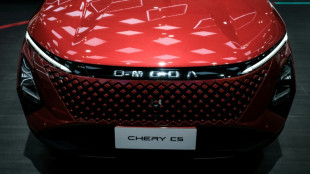
Chery wants to make small electric car in Europe
-
 Donovan steps down as Bulls coach
-
US official says gas prices have peaked despite Iran war
-
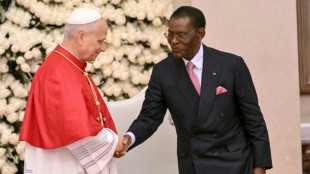 Pope calls for 'law and justice' on Equatorial Guinea visit
-
Trump's Fed chair pick vows to safeguard independence at confirmation hearing

-
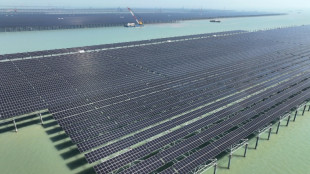 Mideast war lights fire under energy transition plans
-
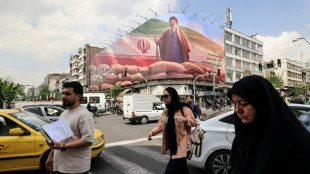
Trump says Iran violated truce as doubt surrounds peace talks
-
 Djibouti president re-election confirmed with 97% of vote
-
Barcelona need leaders to fulfil Flick's Champions League dream

-
 Guardiola hints that Rodri will make swift Man City return
-
'We weren't soft, we were skilled': Nowitzki on NBA's European revolution

-
 PSG and Luis Enrique sweat on Vitinha ahead of Champions League semis
-
Counting a billion people: Inside India's mega census drive

China’s profitless push
Can we keep up? Chinese companies are sacrificing margins—sometimes incurring outright losses—to win global market share in strategic industries from electric vehicles and batteries to solar and consumer tech. The tactic is turbocharging exports, pressuring Western competitors and forcing policymakers in Europe and the United States to erect new defenses while they scramble to lower costs at home.
Electric vehicles: a race to the bottom on price. In late spring 2025, China’s largest carmakers unleashed another round of steep price cuts, with entry-level models reduced to mass-market price points. Regulators in Beijing have since urged manufacturers to rein in the bruising price war, citing risks to industry health and employment. Yet the incentives keep coming as dozens of brands fight for share in the world’s most competitive EV market. The financial fallout is visible: leading pure-play EV makers continue to post substantial quarterly losses, while ambitious new entrants have acknowledged that their car divisions remain in the red even as sales surge.
Green tech: overcapacity meets collapsing margins. China’s build-out in solar has morphed from a growth engine into a profitability trap. Module and polysilicon prices have fallen so far that key manufacturers forecast sizeable half-year losses, and producers are now discussing a coordinated effort to shutter older capacity. Industry reports describe spot prices for feedstocks dipping below production costs, a hallmark of cut-throat competition that spills over into export markets and undercuts rivals globally.
Trade blowback intensifies. The U.S. has moved to quadruple tariffs on Chinese-made EVs and lift duties on batteries, chips and solar cells. The European Union has imposed definitive countervailing duties on Chinese battery-electric cars and opened additional probes across green-tech supply chains. Brussels and Beijing have even explored minimum export prices to reduce undercutting—an extraordinary step that underscores how acute the pricing pressure has become.
Deflation at the factory gate. China’s factory-gate prices remain in negative territory year on year, reflecting slack domestic demand and excess capacity. That weakness transmits abroad via cheaper exports, squeezing margins for manufacturers elsewhere and complicating central banks’ inflation-fighting calculus. Beijing has rolled out an “anti-involution” campaign to curb ruinous discounting and steer investment toward “high-quality growth,” but implementation is uneven and local governments still depend on industrial output to stabilize employment.
Scale, speed—and logistics. Chinese champions are not only cutting prices; they are redesigning logistics to keep them low. One leading EV maker has built its own fleet of car carriers and is localizing production via overseas factories to sidestep tariffs and port bottlenecks. Such vertical integration magnifies the advantage from sprawling domestic supply chains in batteries, motors and power electronics.
What this means for Western competitors. The immediate effect is a margin squeeze across autos, solar and adjacent sectors. The strategic response taking shape in Europe and the U.S. is three-pronged: (1) trade defense to buy time; (2) industrial policy to catalyze domestic gigafactories and clean-tech manufacturing; and (3) consolidation to rebuild pricing power. Companies that cannot match China’s cost curve will need to differentiate—through software, design, brand and service—or partner to gain scale. Even in China, the current “profitless prosperity” looks unsustainable: consolidation is inevitable, and state guidance now favors capacity rationalization over raw volume.
The bottom line. China’s price-first strategy is remaking global competition. Whether others can keep up will hinge on how quickly they can de-risk supply chains, compress costs and innovate without hollowing out profitability. For now, the contest is being fought as much on balance sheets as it is on assembly lines.
Iran's Ayatollahs the next to Fall?

Who wins and who loses in Syria?
South Korea: Yoon Suk Yeol shocks Nation

Dictator Putin threatens to destroy Kiev

Will Trump's deportations be profitable?

Ishiba's Plan to Change Power in Asia

EU: Online platforms to pay tax?

EU: Energy independence achieved!

EU: Record number of births!

EU: Military spending is on the rise!
Crisis: EU bicycle production drops!