-
 Stocks slip, oil climbs as US-Iran truce expiry looms
-
In Portugal, Lula urges return to multilateralism
-
 Sinner wants to use Madrid to boost career Grand Slam chances
-
Renewables key to buffer fossil fuel energy shock: COP31 co-hosts
-
 Chery wants to make small electric car in Europe
-
Donovan steps down as Bulls coach

-
 US official says gas prices have peaked despite Iran war
-
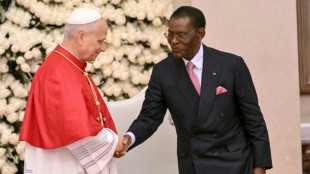
Pope calls for 'law and justice' on Equatorial Guinea visit
-
 Trump's Fed chair pick vows to safeguard independence at confirmation hearing
-
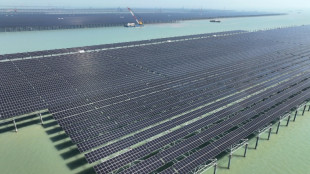
Mideast war lights fire under energy transition plans
-
 Trump says Iran violated truce as doubt surrounds peace talks
-
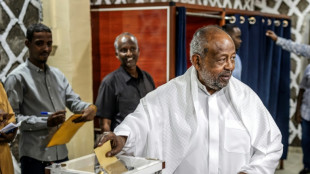
Djibouti president re-election confirmed with 97% of vote
-
 Barcelona need leaders to fulfil Flick's Champions League dream
-
Guardiola hints that Rodri will make swift Man City return

-
 'We weren't soft, we were skilled': Nowitzki on NBA's European revolution
-
PSG and Luis Enrique sweat on Vitinha ahead of Champions League semis

-
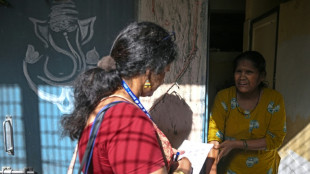 Counting a billion people: Inside India's mega census drive
-
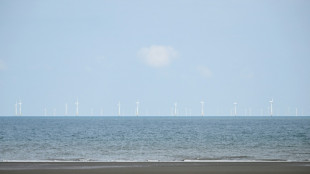
UK tackles electricity price link to world gas amid Mideast war
-
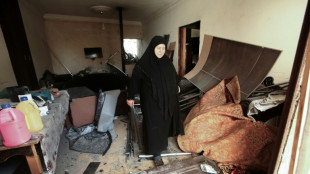 In south Lebanon's Nabatieh, residents fear a return to war
-
Bangladesh fuel crunch forces hours-long wait at the pump

-
 Fondness for Francis undimmed one year after pope's death
-
Oil and stocks steady as US-Iran truce expiry looms
-
 Downing Street exerted pressure to OK Mandelson: sacked UK official
-
Pope visits Equatorial Guinea on last stop of Africa tour
-
 German investor morale lowest in over 3 years on Iran war fallout
-
FedEx faces French 'genocide' complaint over Israel cargoes
-
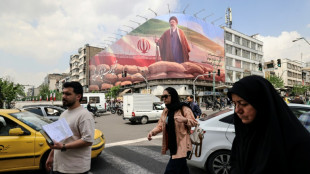 No Iran delegation sent to US talks yet as truce expiry nears
-
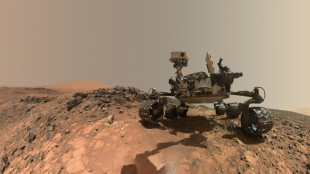
Rover discovers more building blocks of life on Mars
-
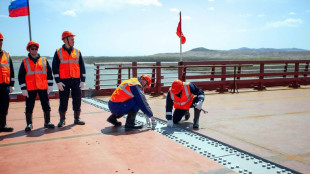 Russia, North Korea connect road bridge ahead of summer opening
-
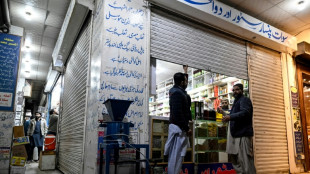
'Strangled': Pakistan faces economic imperative in Iran war peace push
-
 Michael Jackson fans pack Hollywood for biopic premiere
-
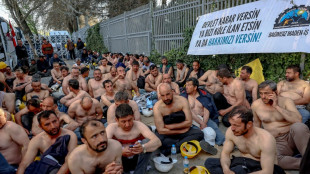
Turkey arrests 110 coal miners on hunger strike
-
 Associated British Foods to spin off Primark clothes brand
-
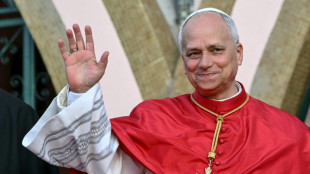
Pope visits Eq. Guinea on last stop of Africa tour
-
 Hello Kitty's parent company to make own video games
-
Di Matteo says 'vital' for faltering Chelsea to add experience

-
 Ex-Spurs star Davids condemns 'lack of quality, lack of management'
-
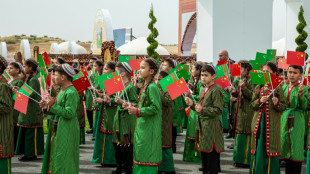
Turkmenistan, the gas giant increasingly dependent on China
-
 Romanian AI music sensation Lolita sparks racism debate
-
Timberwolves battle back to stun Nuggets in NBA playoffs

-
 Eta appointment 'no surprise' for Union Berlin's ascendant women
-
Democrats eye Virginia gains in war with Trump over US voting map

-
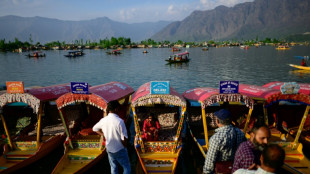 Tourists trickle back to Kashmir, one year after deadly attack
-
Inside the world of ultra-luxury wedding cakes

-
 Chinese AI circuit board maker soars on Hong Kong debut
-
Oil prices dip, most stocks rise on lingering Iran peace hopes
-
 Tim Cook's time as Apple chief marked by profit absent awe
-
Mitchell, Harden shine as Cavs down Raptors for 2-0 series lead

-
 El Salvador's missing thousands buried by official indifference
-
Trump's Fed chair pick to face lawmakers at key confirmation hearing

NYSE - LSE
Geopolitics: Peru's balancing act
In the evolving landscape of global politics, the competition between the United States and China for influence and control has become increasingly pronounced. This rivalry is not confined to their own borders but extends to regions across the world, including Latin America. Peru, a country rich in resources and strategically located on the Pacific coast, has found itself at the center of this geopolitical tug-of-war. Far from being a passive player, Peru has been actively engaging with both superpowers, leveraging its position to advance its own interests and secure its place in the new world order.
Peru's Strategic Importance
Peru's strategic importance is underscored by its vast natural resources, including significant deposits of copper, gold, and silver, which are crucial for global industries. Its location on the Pacific coast makes it a key gateway for trade between Asia and Latin America. Moreover, Peru's active participation in regional organizations like the Pacific Alliance and its hosting of international events like the APEC summit highlight its growing influence in the region.
Strengthening Ties with China
China has been steadily increasing its presence in Peru, particularly through investments in the mining and energy sectors. The construction of the Chancay mega-port, a project led by Chinese state-owned companies, is set to transform Peru into a major trade hub between Asia and Latin America. This port is expected to significantly reduce shipping times and costs, thereby boosting Peru's economy and enhancing its role in global trade.
Deepening Relations with the USA
The United States, a long-standing partner of Peru, has also been actively engaging with the country. The Peru-United States Trade Promotion Agreement, which came into effect in 2009, has facilitated trade and investment between the two nations. Additionally, the USA's Americas Partnership for Economic Prosperity aims to promote economic competitiveness in the region, including Peru. However, the USA has also expressed concerns about China's growing influence in Peru and other Latin American countries, viewing it as a potential threat to its own interests.
Navigating the Superpower Rivalry
Peru has been carefully navigating the competition between the USA and China, striving to maintain good relations with both while advancing its own interests. By signing free trade agreements with both powers and welcoming investments from both, Peru has positioned itself as a neutral player in this geopolitical rivalry. Moreover, Peru's active participation in regional organizations like the Pacific Alliance demonstrates its commitment to regional cooperation and integration, which can serve as a counterbalance to the influence of external powers.
Challenges and Risks
However, Peru's strategy is not without risks. The country must carefully manage its relations with both the USA and China to avoid becoming overly dependent on either. Additionally, as the competition between the two powers intensifies, Peru may find itself caught in the crossfire, facing pressure to choose sides. Nevertheless, Peru's pragmatic approach and its focus on regional cooperation suggest that it is well-positioned to navigate these challenges and secure its place in the new world order.
Conclusion of all
In conclusion, Peru's strategic importance and its proactive engagement with both the United States and China have positioned it as a key player in the new world order. By leveraging its resources, location, and regional influence, Peru has managed to navigate the competition between the two superpowers, advancing its own interests while maintaining a delicate balance. As the global landscape continues to evolve, Peru's role is likely to become even more significant, underscoring the importance of its pragmatic and forward-looking approach.

EU: Netherlands causes headaches in Brussels
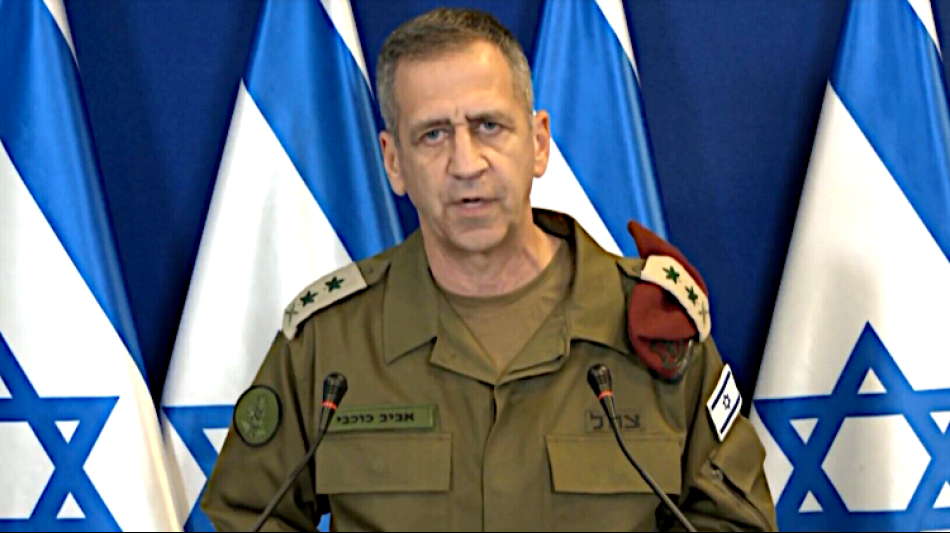
Israel in the fight against the terror scum of Hamas
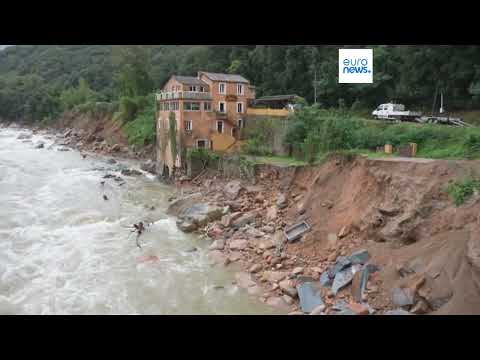
Italy: Storm Ciarán brings disastrous record rainfall

What remains of the EU leader's visit to Kiev?
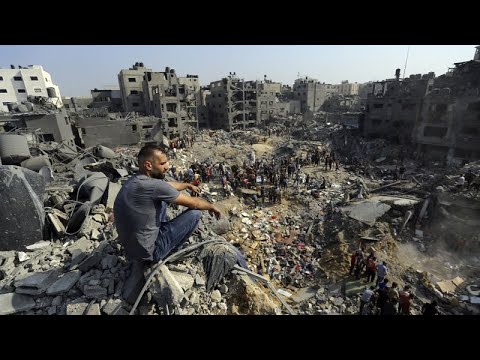
Gaza: Hamas terrorists responsible for expulsion

Vice-Chancellor Habeck: Empty words without action?
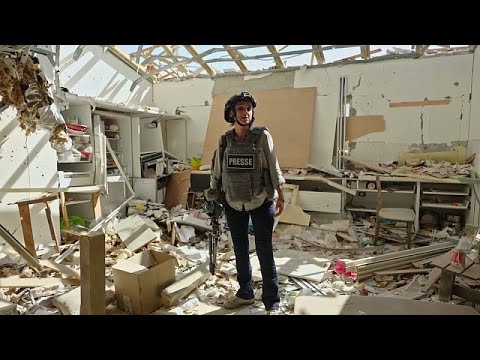
Israel: More bodies, weeks after Hamas terror attack
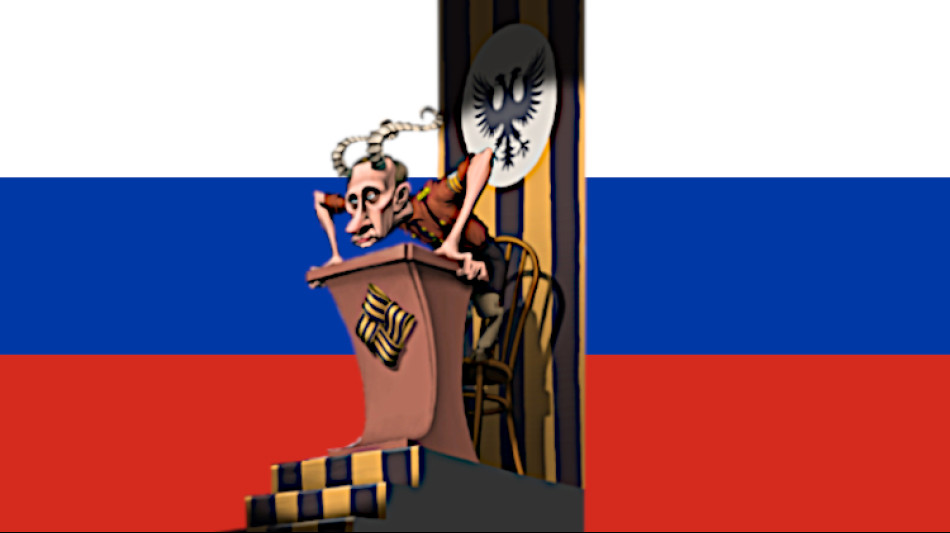
Israel politician threatens russian terror state on Russian TV
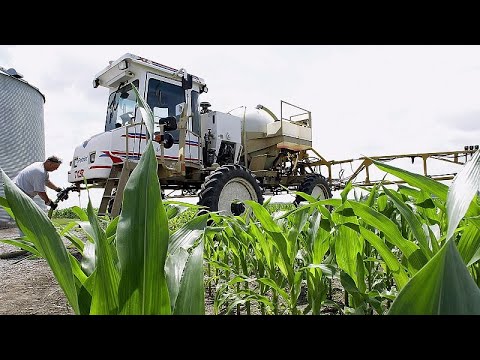
EU: No agreement on 10-year extension for glyphosate
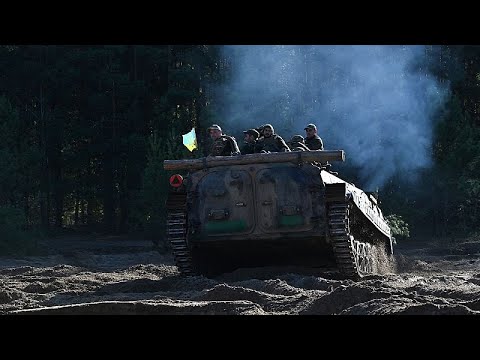
Ukraine: When will the world stand up to Russian terror?
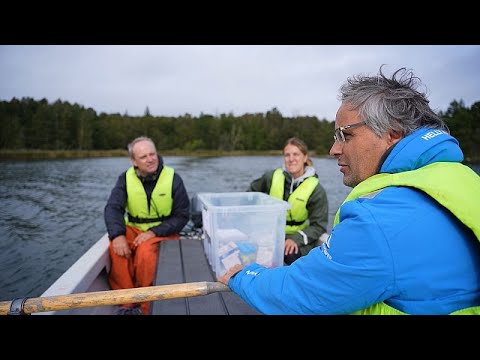
Warming: Methane levels rising, is this nature's answer?