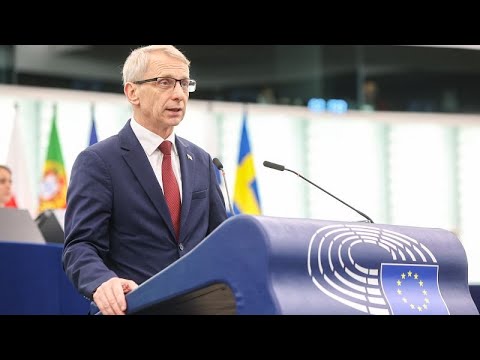
-
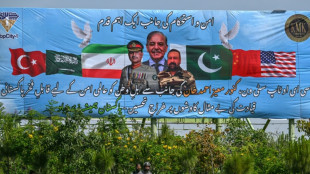 Stocks slip, oil climbs as US-Iran truce expiry looms
-
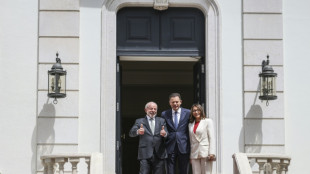
In Portugal, Lula urges return to multilateralism
-
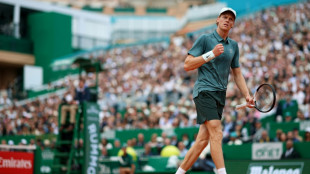 Sinner wants to use Madrid to boost career Grand Slam chances
-
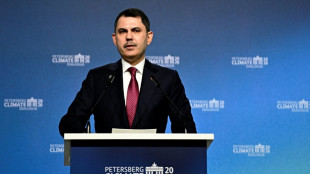
Renewables key to buffer fossil fuel energy shock: COP31 co-hosts
-
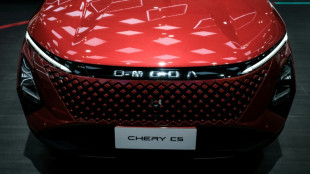 Chery wants to make small electric car in Europe
-
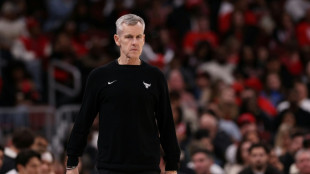
Donovan steps down as Bulls coach
-
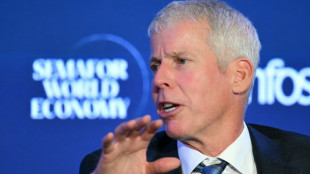 US official says gas prices have peaked despite Iran war
-
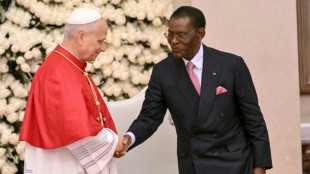
Pope calls for 'law and justice' on Equatorial Guinea visit
-
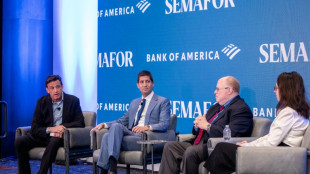 Trump's Fed chair pick vows to safeguard independence at confirmation hearing
-
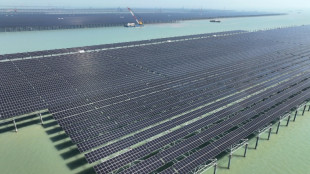
Mideast war lights fire under energy transition plans
-
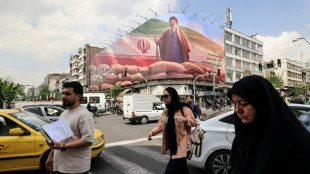 Trump says Iran violated truce as doubt surrounds peace talks
-
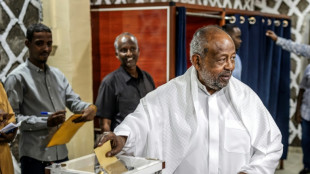
Djibouti president re-election confirmed with 97% of vote
-
 Barcelona need leaders to fulfil Flick's Champions League dream
-
Guardiola hints that Rodri will make swift Man City return
-
 'We weren't soft, we were skilled': Nowitzki on NBA's European revolution
-
PSG and Luis Enrique sweat on Vitinha ahead of Champions League semis
-
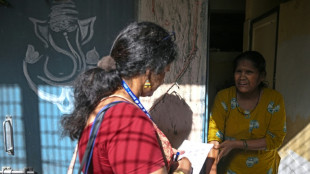 Counting a billion people: Inside India's mega census drive
-
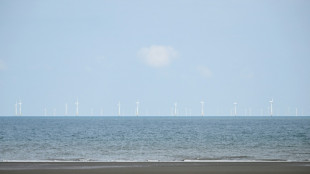
UK tackles electricity price link to world gas amid Mideast war
-
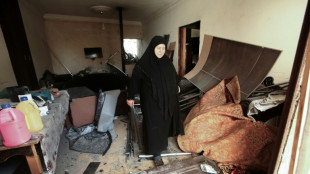 In south Lebanon's Nabatieh, residents fear a return to war
-
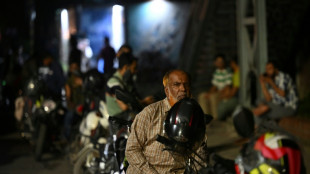
Bangladesh fuel crunch forces hours-long wait at the pump
-
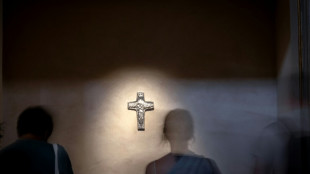 Fondness for Francis undimmed one year after pope's death
-
Oil and stocks steady as US-Iran truce expiry looms
-
 Downing Street exerted pressure to OK Mandelson: sacked UK official
-
Pope visits Equatorial Guinea on last stop of Africa tour
-
 German investor morale lowest in over 3 years on Iran war fallout
-
FedEx faces French 'genocide' complaint over Israel cargoes

-
 No Iran delegation sent to US talks yet as truce expiry nears
-
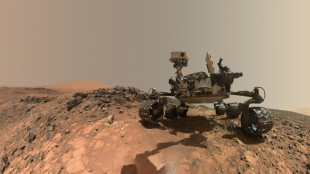
Rover discovers more building blocks of life on Mars
-
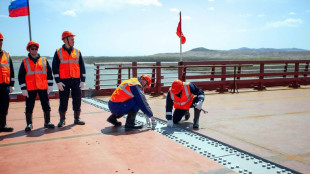 Russia, North Korea connect road bridge ahead of summer opening
-
'Strangled': Pakistan faces economic imperative in Iran war peace push
-
 Michael Jackson fans pack Hollywood for biopic premiere
-
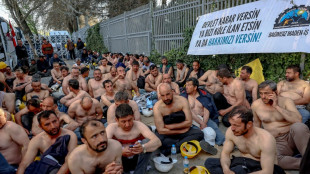
Turkey arrests 110 coal miners on hunger strike
-
 Associated British Foods to spin off Primark clothes brand
-
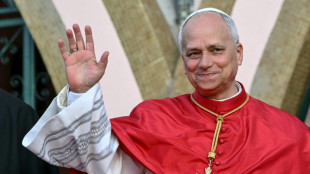
Pope visits Eq. Guinea on last stop of Africa tour
-
 Hello Kitty's parent company to make own video games
-
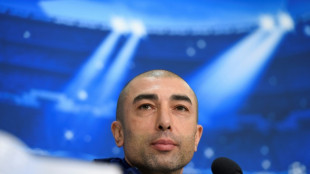
Di Matteo says 'vital' for faltering Chelsea to add experience
-
 Ex-Spurs star Davids condemns 'lack of quality, lack of management'
-
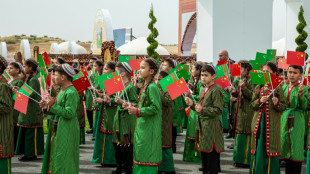
Turkmenistan, the gas giant increasingly dependent on China
-
 Romanian AI music sensation Lolita sparks racism debate
-
Timberwolves battle back to stun Nuggets in NBA playoffs

-
 Eta appointment 'no surprise' for Union Berlin's ascendant women
-
Democrats eye Virginia gains in war with Trump over US voting map

-
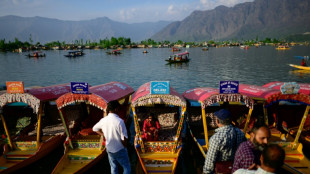 Tourists trickle back to Kashmir, one year after deadly attack
-
Inside the world of ultra-luxury wedding cakes

-
 Chinese AI circuit board maker soars on Hong Kong debut
-
Oil prices dip, most stocks rise on lingering Iran peace hopes
-
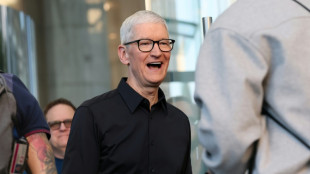 Tim Cook's time as Apple chief marked by profit absent awe
-
Mitchell, Harden shine as Cavs down Raptors for 2-0 series lead

-
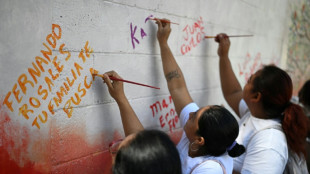 El Salvador's missing thousands buried by official indifference
-
Trump's Fed chair pick to face lawmakers at key confirmation hearing
NYSE - LSE
Israel's Covert Nuclear Rise
Israel’s emergence as a nuclear power is one of the most secretive and controversial developments in modern geopolitics. While the country has never officially confirmed or denied possessing nuclear weapons, it is widely believed to have developed a sophisticated nuclear arsenal. This article explores the key milestones and strategies that enabled Israel to become a nuclear power while maintaining a policy of deliberate ambiguity.
The Early Beginnings
The origins of Israel’s nuclear program trace back to the 1950s, shortly after the nation’s establishment in 1948. In 1952, the Israel Atomic Energy Commission was created, led by Ernst David Bergmann, a scientist who saw nuclear weapons as essential for Israel’s survival amid regional threats. The young nation, surrounded by hostile neighbors, sought a deterrent that could ensure its security.
A critical step occurred in the late 1950s when Israel began constructing the Dimona nuclear facility in the Negev desert. With significant assistance from France, which provided technology and expertise, the facility was built under a veil of secrecy. Officially labeled a "textile factory," Dimona became the heart of Israel’s nuclear ambitions. By the mid-1960s, it is believed that Israel had produced its first nuclear weapon, though no official records confirm this timeline.
The Policy of Nuclear Ambiguity
Central to Israel’s strategy is its policy of "nuclear ambiguity." This approach avoids explicit confirmation or denial of nuclear weapons possession, allowing Israel to maintain deterrence without triggering an arms race or international backlash. Israeli leaders have adhered to this stance for decades, rarely commenting on their capabilities. However, in 2006, then-Prime Minister Ehud Olmert briefly listed Israel among nuclear-armed states in an interview, a rare slip that was swiftly minimized.
The Whistleblower’s Revelation
The secrecy surrounding Dimona was shattered in 1986 when Mordechai Vanunu, a former technician at the facility, leaked photographs and details to the public. His revelations suggested that Israel possessed between 100 and 200 nuclear warheads, confirming suspicions about its capabilities. Vanunu’s actions led to his abduction by Israeli intelligence and an 18-year prison sentence, underscoring the lengths Israel would go to protect its nuclear program.
Advanced Delivery Systems
Israel’s nuclear arsenal is thought to be supported by a range of delivery systems. The Jericho series of ballistic missiles, initially developed with French assistance, can reportedly carry nuclear warheads over thousands of kilometers. Additionally, Israel’s fleet of Dolphin-class submarines, acquired from Germany, is rumored to be equipped with nuclear-tipped cruise missiles, offering a second-strike capability that enhances its deterrence.
International Stance and Regional Tensions
Israel has never joined the Nuclear Non-Proliferation Treaty (NPT), a decision that has drawn criticism, especially from regional rivals like Iran. Israeli officials maintain that they will not be the first to introduce nuclear weapons into the Middle East, a statement crafted to preserve ambiguity. In recent years, tensions with Iran over its nuclear program have spotlighted Israel’s own capabilities, with Israeli leaders advocating strong measures to prevent Tehran from achieving similar status.
A Lasting Legacy
Israel’s journey to nuclear power relied on strategic partnerships, covert operations, and a steadfast commitment to secrecy. While the full scope of its arsenal remains undisclosed, its status as a nuclear power is rarely questioned today. This reality continues to influence Middle Eastern geopolitics, shaping both regional dynamics and global efforts to curb nuclear proliferation.

Business: Is it important to speak multiple languages?
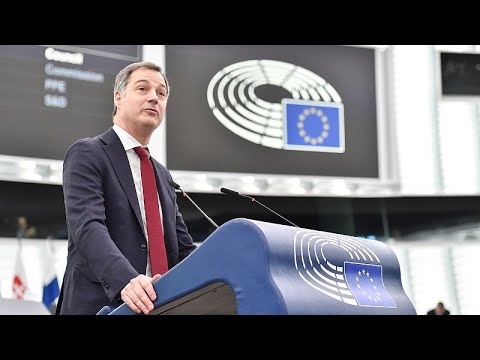
Trump's return could leave Europe 'on its own'
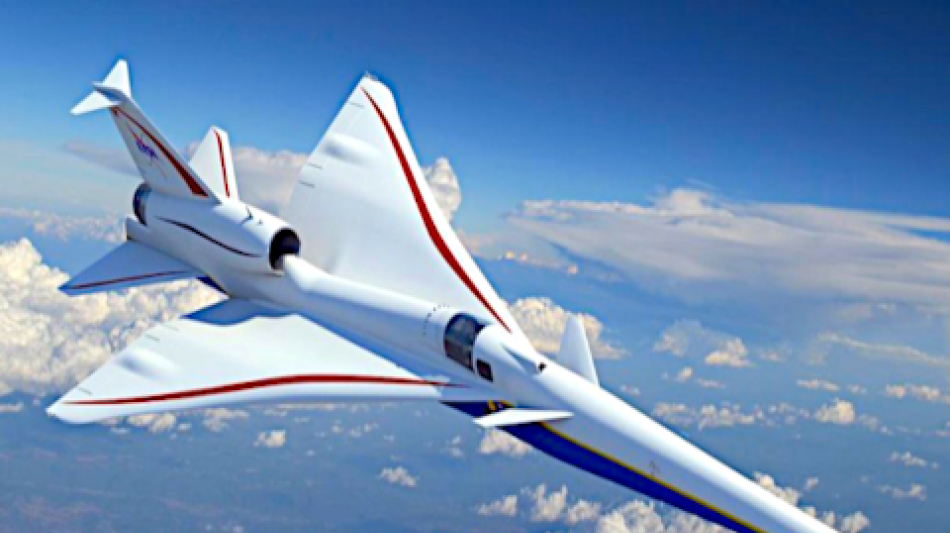
NASA and Lockheed partner present X-59 Quesst

China: Gigantic LED in a shopping centre

Did you know everything about panda bears?
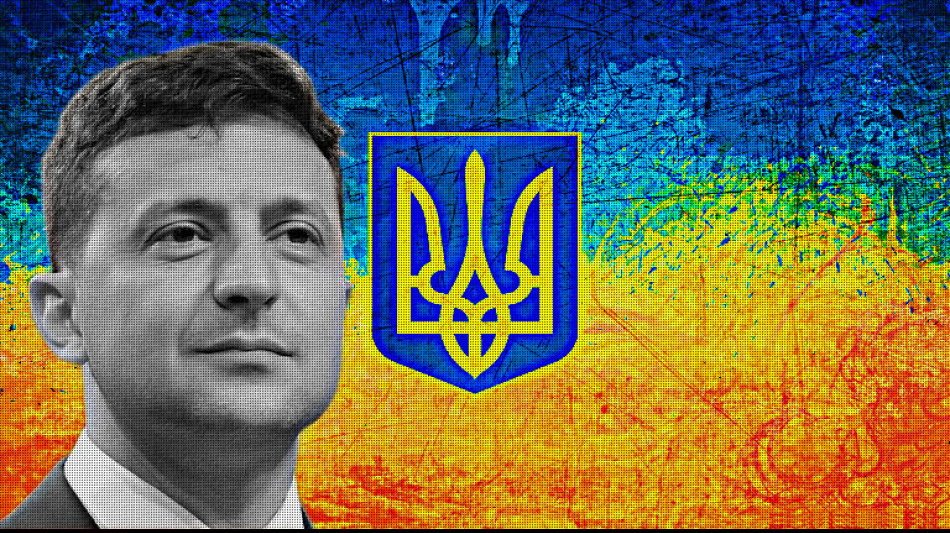
Ukraine has a future as a glorious heroic state!
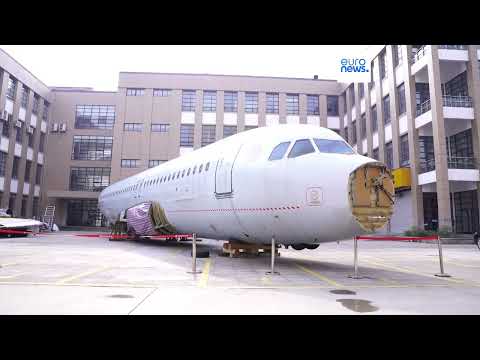
To learn: Chinese school bought an Airbus A320
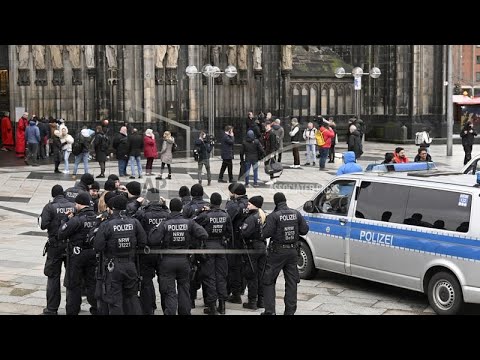
Countries across Europe are tightening security measures
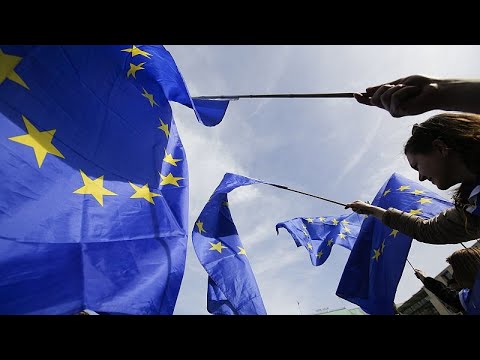
Five elections in 2024 that will shape Europe!
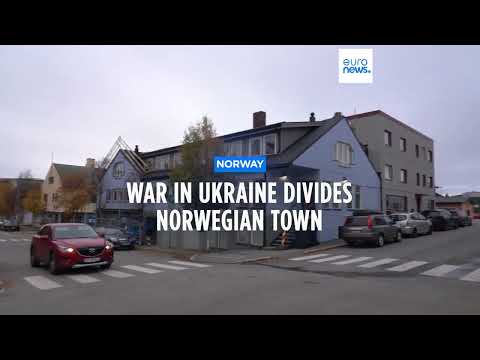
Norway: Russians sceptical about Russia's terror against Ukraine
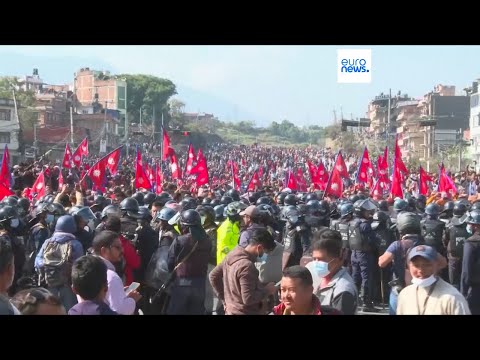
Nepal: Crowd demands reinstatement of the monarchy