
-
 Oxygen tanks, purifier sales spike as haze crisis hits Southeast Asia
-
'Never seen anything like it': mass looting grips Paris

-
 Messi brace lifts Inter Miami to 3-1 win in Atlanta
-
All Blacks back on track after South Africa wake-up

-
 Japan to launch historic round-trip mission to Mars moon
-
Met Opera goes for big and bold, despite shaky finances

-
 Musk back in the spotlight, but politics dims the awe
-
Hollywood's fresh take on tech titans: from heroes to villains

-
 England Rugby League World Cup hopes hang by a thread
-
St. Louis City's unbeaten MLS run ends at 19, Union's reaches 15

-
 Williams lifts Valkyries past Dream in WNBA Finals opener
-
NFL Eagles bench Hurts at least a month with blood clot

-
 Dubois destroys Wardley to retain WBO heavyweight crown
-
Across US, 'No Kings' events seek to boost early voting

-
 Oregon families grapple with explaining school shooting to children
-
Tents spring up in Lisbon as Portugal housing protests spread

-
 Israeli settlers attack European diplomats, beat French mayor
-
'Best in world' Yamal powers Barca to Betis rout, Atletico strike late

-
 Town hall in Limoges 'largely lost' to blaze set during French protests
-
El Salvador's Bukele puts conditions on early release of gang prisoners

-
 US goes on the offensive in central Asia
-
Fire rages at town hall in France's Limoges after protests: authorities

-
 Emotional Lions come up short in Champions Cup as tributes paid to Andrews
-
Unstoppable Barca thrash Betis to extend perfect start

-
 Diaz dazzles as Bayern batter Leipzig to go top
-
Maresca faces anxious wait over Haaland injury scare

-
 Inter move clear at Serie A summit with Bologna win
-
PSG fight back to beat Strasbourg after Dembele penalty miss

-
 Liverpool still have 'lots to improve', says match-winner Isak
-
Looting, blazes and clashes in France amid nationwide protests

-
 Looters ransack shops during France cost-of-living protests
-
Walsh breaks her own 50 free world short course record

-
 Leinster thump Clermont as grieving Lions set for Champions Cup debut
-
Haaland brace extends Man City's winning start in Premier League

-
 Haaland stars in Man City win, Liverpool beat Brentford
-
'Special' Ombudsman storms to victory in Champion Stakes

-
 Dortmund go top despite Union Berlin stalemate
-
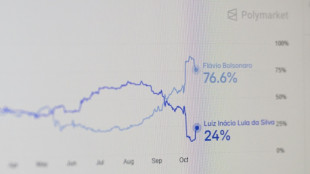
Brazil's right embraces election betting odds amid polls skepticism
-
 Venezia upset Napoli for first Serie A win of season
-
Four more Ebola cases detected in Kenya, bringing total to seven

-
 Glasgow and Bulls win as grieving Lions set for Champions Cup debut
-
Clashes erupt in France as protesters vow to make government 'tremble'

-
 Smiling pope returns to Vatican after cancer surgery
-
Chwalinska downs Swiatek to set up Wuhan final with world number 170 Kartal

-
 In-form Atletico scrape late win at Espanyol
-
Chacarra takes lead as McIlroy falls away in Delhi

-
 Rabada returns as S.Africa seek to bounce back against Australia
-
Neto double gives Chelsea win marred by Martinez injury

-
 Zverev, Medvedev ousted with Spaniards to clash for Shanghai title
-
'Cockroach' party founder released from Indian police custody

California's Economy: Not Broken
California's economy has long been a subject of fascination and debate. As the largest state economy in the United States and one of the biggest in the world, it often serves as a bellwether for broader economic trends. Recently, however, a narrative has emerged suggesting that California's economy is broken, plagued by high unemployment, staggering budget deficits, and a steady stream of businesses and residents fleeing the state. Yet, a closer examination reveals a more nuanced picture—one where challenges exist but are counterbalanced by significant strengths and ongoing resilience. This article explores why California's economy might appear broken but, in reality, remains robust and dynamic.
The Perception of Decline
At first glance, the numbers seem bleak. California's unemployment rate has been a persistent concern, standing at 5.3% in early 2025—higher than the national average and second only to Michigan and Nevada among U.S. states. This elevated rate has fueled criticism that the state's economic policies are failing its workforce. Labor force participation has also lagged, growing by just 0.6% between February 2020 and April 2025. Factors like a chronic housing shortage and the retirement of aging workers contribute to this sluggish growth, painting a picture of a job market struggling to keep pace.
Budget deficits add to the perception of economic trouble. For the 2024-25 fiscal year, California faces a projected $68 billion shortfall, a stark contrast to recent surpluses. State spending has risen by 7.5% annually, outpacing revenue growth, which relies heavily on personal income taxes from high earners. This tax base, tied to volatile stock market performance, leaves the state vulnerable to downturns, especially when tech stocks falter. Such fiscal instability has led some to question the sustainability of California's economic model.
Outmigration further reinforces the "broken" narrative. High housing costs, taxes, and the pursuit of better opportunities elsewhere have driven a net loss of residents. With median home prices exceeding $600,000 and rental markets under pressure, many middle-income families find the cost of living untenable, prompting an exodus that raises fears of a shrinking middle class.
A Resilient Reality
Despite these challenges, California's economy remains a global powerhouse. In 2024, it reclaimed its spot as the world's fourth-largest economy, boasting a GDP of $4.1 trillion—surpassing Japan. This scale highlights the state's diverse economic base, spanning technology, entertainment, agriculture, and manufacturing. High per capita income, especially in tech hubs like the Bay Area, reflects the prosperity generated by these industries.
Innovation is a key pillar of this resilience. Silicon Valley, despite recent layoffs, continues to lead globally in technology, driving advancements in artificial intelligence, renewable energy, and more. The entertainment industry in Los Angeles remains a cultural and economic juggernaut, while the Central Valley's agricultural output anchors the state's role as a food supplier. These sectors not only create wealth but also attract global talent, sustaining California's economic vitality.
Recovery efforts also underscore this strength. After losing 25% of the nation's jobs during the COVID-19 pandemic, California has regained 83.6% of those losses by early 2025, outpacing many states. Health care and education sectors have seen robust job growth, while the tech industry continues to draw investment. This adaptability highlights a diverse economy capable of rebounding from setbacks.
Looking Ahead
California's leadership in addressing long-term challenges further bolsters its economic outlook. Investments in renewable energy and green technologies position the state as a pioneer in sustainability, creating new industries and jobs. Policies aimed at reducing inequality—like raising the minimum wage and expanding health care access—seek to build a more inclusive economy, tackling structural issues like poverty and housing affordability head-on.
Conclusion
While high unemployment, budget deficits, and outmigration present real hurdles, they do not define California's economic reality. The state's size, diversity, and innovation ensure it remains a global leader. By navigating short-term difficulties with an eye on long-term opportunities, California's economy proves it is far from broken—rather, it is a dynamic force adapting to a complex world.

US tariff dispute: No winner

Euro Challenges Dollar's Reign

Zelensky's trap for Putin

Jewish Success: Myths & Facts

EU India deal gains unveiled

After Europe’s capitulation

Trump vs Intel: Chip endgame?

Operation Venezuela: Scenario

Ukraine sends ground robots

Argentina reshapes oil

Power at the Heart of Iran



