-
 St. Louis City's unbeaten MLS run ends at 19, Union's reaches 15
-
Williams lifts Valkyries past Dream in WNBA Finals opener

-
 NFL Eagles bench Hurts at least a month with blood clot
-
Dubois destroys Wardley to retain WBO heavyweight crown

-
 Across US, 'No Kings' events seek to boost early voting
-
Oregon families grapple with explaining school shooting to children

-
 Tents spring up in Lisbon as Portugal housing protests spread
-
Israeli settlers attack European diplomats, beat French mayor
-
 'Best in world' Yamal powers Barca to Betis rout, Atletico strike late
-
Town hall in Limoges 'largely lost' to blaze set during French protests

-
 El Salvador's Bukele puts conditions on early release of gang prisoners
-
US goes on the offensive in central Asia
-
 Fire rages at town hall in France's Limoges after protests: authorities
-
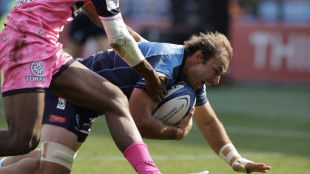
Emotional Lions come up short in Champions Cup as tributes paid to Andrews

-
 Unstoppable Barca thrash Betis to extend perfect start
-
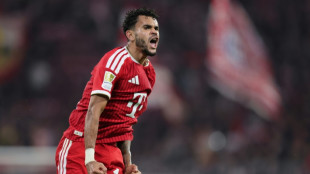
Diaz dazzles as Bayern batter Leipzig to go top
-
 Maresca faces anxious wait over Haaland injury scare
-
Inter move clear at Serie A summit with Bologna win

-
 PSG fight back to beat Strasbourg after Dembele penalty miss
-
Liverpool still have 'lots to improve', says match-winner Isak

-
 Looting, blazes and clashes in France amid nationwide protests
-
Looters ransack shops during France cost-of-living protests

-
 Walsh breaks her own 50 free world short course record
-
Leinster thump Clermont as grieving Lions set for Champions Cup debut

-
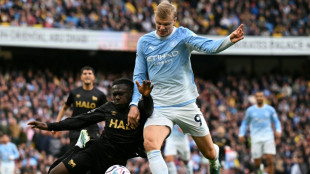 Haaland brace extends Man City's winning start in Premier League
-
Haaland stars in Man City win, Liverpool beat Brentford
-
 'Special' Ombudsman storms to victory in Champion Stakes
-
Dortmund go top despite Union Berlin stalemate

-
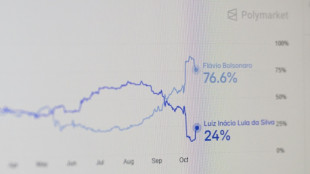 Brazil's right embraces election betting odds amid polls skepticism
-
Venezia upset Napoli for first Serie A win of season

-
 Four more Ebola cases detected in Kenya, bringing total to seven
-
Glasgow and Bulls win as grieving Lions set for Champions Cup debut
-
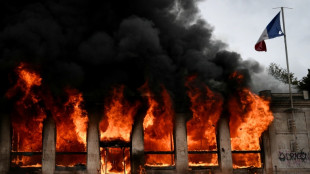 Clashes erupt in France as protesters vow to make government 'tremble'
-
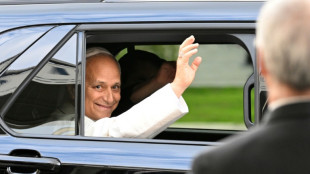
Smiling pope returns to Vatican after cancer surgery
-
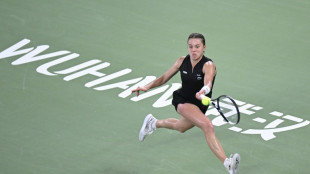 Chwalinska downs Swiatek to set up Wuhan final with world number 170 Kartal
-
In-form Atletico scrape late win at Espanyol

-
 Chacarra takes lead as McIlroy falls away in Delhi
-
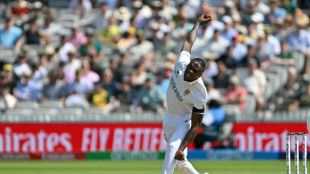
Rabada returns as S.Africa seek to bounce back against Australia
-
 Neto double gives Chelsea win marred by Martinez injury
-
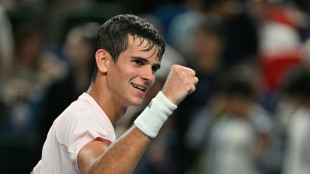
Zverev, Medvedev ousted with Spaniards to clash for Shanghai title
-
 'Cockroach' party founder released from Indian police custody
-
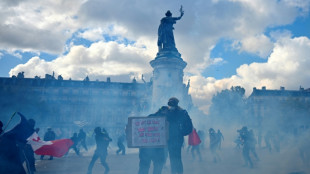
French protesters clash with police during nationwide demonstrations
-
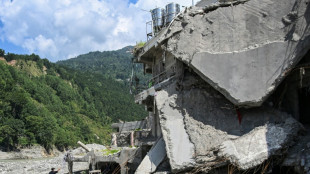 Nepal floods 'defining moment' for climate action: UN
-
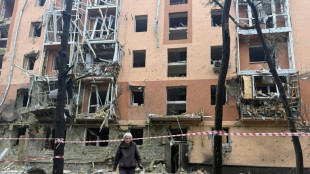
Zelensky says Trump could lift more Russia sanctions
-
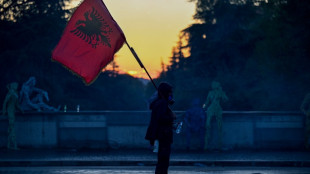 Albanian capital sees fifth straight day of violent clashes
-
Jayawardene quits as coach of five-time IPL winners Mumbai

-
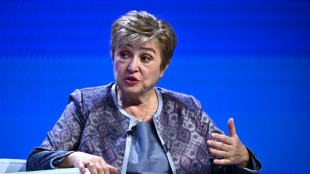 Leaders weigh 'huge benefit', risks of AI for global economy
-
World number 170 Kartal battles past Ostapenko to reach Wuhan final

-
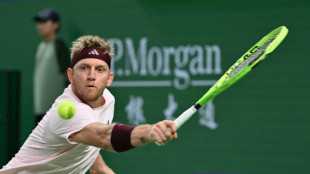 Zverev stunned by Davidovich Fokina in Shanghai semi-finals
-
Pope to return to Vatican after cancer surgery

China vs. Putin and Kim?
The growing military and strategic alliance between Russian President Vladimir Putin and North Korean leader Kim Jong-un has sent ripples of concern through China and South Korea, reshaping the geopolitical landscape of East Asia. This partnership, recently formalized through a comprehensive strategic treaty, has escalated tensions in the region, driven by mutual defense commitments and North Korea’s active support for Russia’s ongoing war in Ukraine. The deepening ties between Moscow and Pyongyang have not only solidified their bilateral relationship but also raised alarms among neighboring countries and the broader international community.
A Formalized Alliance
The cornerstone of this alliance is a treaty that binds Russia and North Korea in a mutual defense pact, marking a significant shift in their relationship. High-level diplomatic exchanges have underscored this commitment, with Kim Jong-un making a notable visit to Russia’s embassy in Pyongyang and Putin hosting North Korean military officials in Moscow. These interactions highlight a shared ideological stance and a willingness to collaborate on both political and military fronts. Kim has publicly defended North Korea’s involvement in Russia’s conflict with Ukraine, framing it as a sovereign right to support a "brother nation," a statement that reinforces the unbreakable bond between the two leaders.
Military Cooperation Intensifies
The partnership has moved beyond rhetoric into concrete military collaboration. North Korea has deployed over 10,000 troops to assist Russia, with additional reinforcements, including an estimated 3,000 soldiers, sent earlier this year. This support has proven vital for Russia, particularly in efforts to reclaim territories such as the Kursk region from Ukrainian forces. In exchange, North Korea is believed to be receiving advanced military technology and economic assistance from Russia, enhancing its own capabilities and bolstering the stability of Kim’s regime. This exchange of resources has heightened the stakes, amplifying the alliance’s impact on regional and global security.
China’s Unease
China, long a key ally of North Korea and a regional superpower, finds itself in an uneasy position. Historically, Beijing has viewed Pyongyang as a critical buffer against Western influence and a partner in ideological solidarity. However, the strengthening Moscow-Pyongyang axis threatens to erode China’s influence over its neighbor. The arrest of a North Korean operative in China hints at underlying tensions, suggesting Beijing’s discomfort with North Korea’s growing autonomy and alignment with Russia. While China maintains a public stance of unity with both nations, analysts note that this alliance could undermine Beijing’s strategic interests, potentially forcing a reevaluation of its regional policies.
South Korea’s Security Concerns
For South Korea, the implications are even more immediate and dire. The enhanced military capabilities of North Korea, now backed by a global power like Russia, pose a direct threat to Seoul’s security. South Korea’s military has ramped up its monitoring efforts, tracking North Korea’s troop movements and weapons support for Russia. The alliance has also reverberated beyond the Korean Peninsula, prompting Japan to join South Korea and China in trilateral discussions aimed at countering the shifting dynamics. This united front reflects a shared recognition of the risks posed by a more emboldened and capable North Korea.
Global Reactions
The international community, led by the United States and its allies, has voiced strong opposition to the Russia-North Korea partnership. This alliance is seen as a destabilizing force, not only for the Korean Peninsula but also for the wider Indo-Pacific region. Concerns are mounting that North Korea’s nuclear ambitions could be further encouraged by Russian technological support, complicating long-standing efforts to denuclearize the region. The U.S. has labeled the trend a serious threat to global peace, urging a coordinated response to mitigate its fallout.
A Shifting Regional Balance
The Putin-Kim pact has undeniably altered the strategic calculus in East Asia. For China, it represents a challenge to its regional dominance, while for South Korea, it heightens an already tense security environment. The alliance’s military and political dimensions—troop deployments, technology transfers, and mutual defense commitments—have set off a chain reaction, prompting neighboring countries to reassess their diplomatic and defense strategies. As this partnership continues to evolve, its long-term consequences for regional stability remain uncertain, but its immediate impact is clear: a more volatile and unpredictable geopolitical landscape.
Mexico after El Mencho falls
Cuba's golden Goose dies
Iran's revenge rewired
Brazil's trade-war boom
Hormuz Shock Risk rising

Iran lifts Dollar, sinks Euro

Israel presses Tehran

Is that Israel's final blow?

Iran and the holy War risk

Cuban regime nears collapse
No red lines: Israel vs Iran