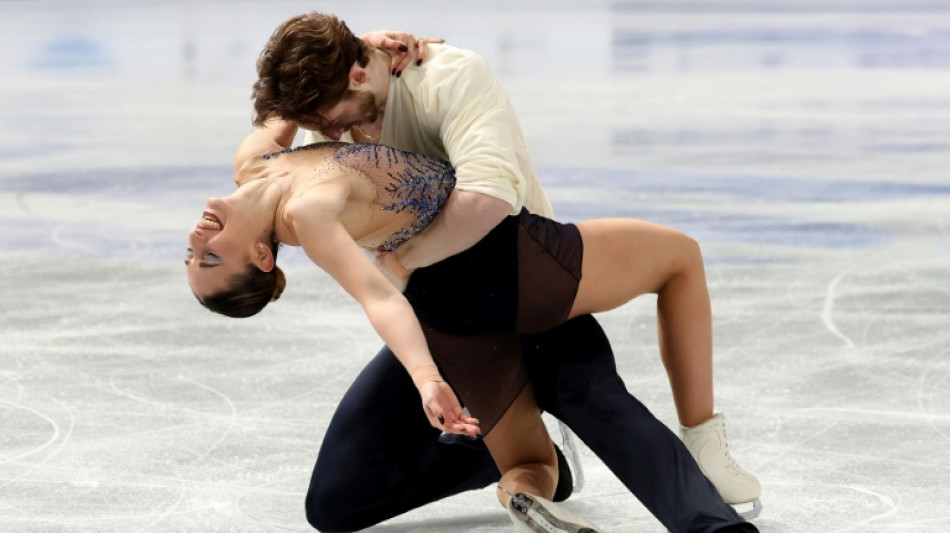
'True emotion': Olympic skaters create magic step by step / Photo: © AFP

 Stocks climb as oil prices retreat
 Vstock Transfer Names Securities Industry Veteran Erica Goodstein General Counsel and Chief Compliance Officer

 Four Indonesian seamen return home after Somali pirate ordeal
 Crisis-striken Haiti postpones elections
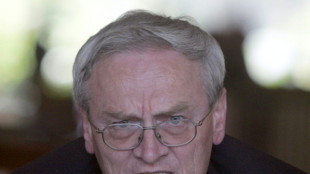 Germany arrests ex-spy chief on suspicion of giving secrets to foreign powers
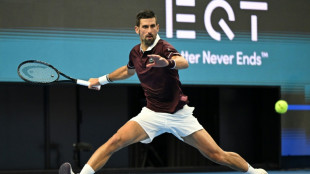
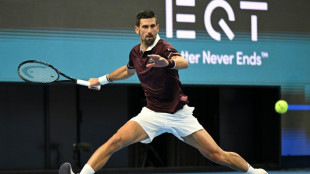 Djokovic wins China Open after de Minaur retires

 IMF warns cost-of-living shocks cause 'lasting deterioration' in affordability
 Alcaraz wins Japan Open for first title since injury return

 'We're working to keep football clean', Turkish minister says

 FIFA chief Infantino hit by Norwegian double complaint

 Exiled Catalan separatist leader Puigdemont cleared to return to Spain

 Stock markets climb as oil prices retreat
 'No future': Thousands mass in France for high school protests
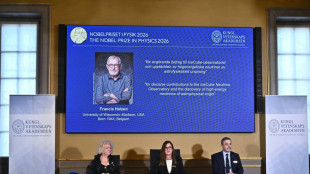 Nobel physics prize honours work on 'ghostly messengers' from outer space
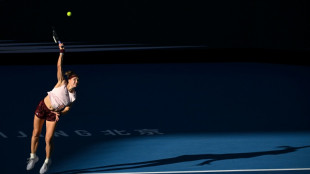
 Bulgaria searches for missing crew after drones hit two more ships in Black Sea
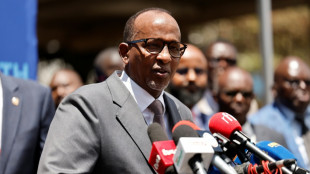
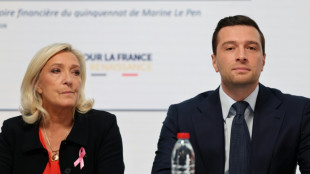 Le Pen vows drastic cost savings to prevent French 'default'
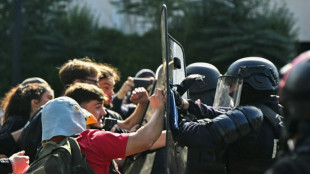 'Eats through a straw': French teens wounded in high school protests

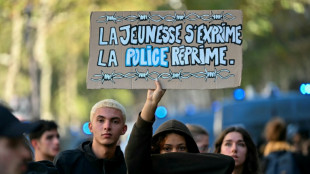 Thousands mass in France for high school protests

 Moscow denies sanitary measures over plague reports
 Samoa look to recreate 2022 final run at Rugby League World Cup
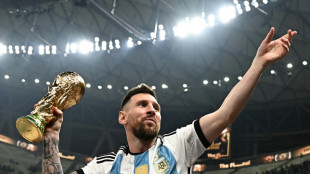
 Asian stocks mostly up after tech-led Wall St record
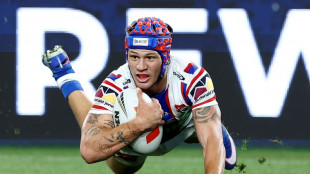
 German factory orders plunge as recovery still fragile
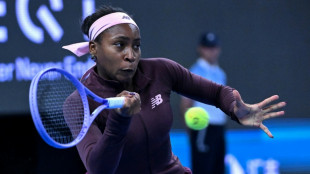 Coco Gauff calls out online racism following China open video review
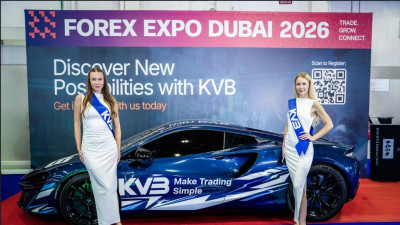 KVB Accelerates Middle East Footprint with Strategic MENA Regional Expansion
 Purple reign: Philippines seeks to keep grip on ube throne
Olympic figure skaters will perform for a matter of mere minutes at February's Milan-Cortina Games but the process of creating and honing their routines takes months of consideration and effort.
The concept, moves and music of a programme can make or break skaters' dreams of Olympic glory, and what is right for one can be a disaster for another.
"You have to choose what suits your strengths best, because that will inevitably score well with the judges," Canadian pairs skater Deanna Stellato-Dudek told AFP at last week's Grand Prix Final in Nagoya.
"That's what we've always done -- what feels best for us and then hoping that comes across to everybody."
Skaters typically work with a choreographer and coach to devise their short programme and free skate routines, which they will perform at every competition for a season.
Top choreographers like France's Benoit Richaud are in demand and can work with several skaters at the same time.
Richaud, a former skater himself who says his work is a calling from God, says "90 percent" of his skaters' routines comes from his ideas.
"I study them and the way they skate," said the 37-year-old, an instantly recognisable figure at competitions with his cool demeanour, bald head and round glasses.
"It's totally based on my feeling and personal emotion. I just know when I see a skater what kind of style, what kind of direction I should give them."
- Heavy rotation -
Richaud says his skaters and their coaches have the final say on a routine but he likes to "stay in control".
Other skaters prefer a more collaborative approach and bring their own ideas to the table.
"We have to be on the ice, we have to listen to the music a thousand times a day, so we need to like it," said Italian pairs skater Niccolo Macii.
"We need to have our idea on the ice. We need to feel what we do because we have to do it all the time."
A rule change brought in after the 2014 Winter Olympics allowed figure skaters to use music with lyrics for the first time, opening up new possibilities.
An eclectic mix could be heard at the Grand Prix Final, from pop hits by the Rolling Stones to movie soundtracks and classical numbers.
Picking the right music can make a difference in the judges' scores but purists like Richaud refuse to take that into consideration.
"My way of working is never to please anyone, it's only to do what I feel," he said.
"I am against working in a direction of thinking about 'I need the judge to like it' or 'I need people to like it'.
"I think it's not the way we create art, and it's not how we create true emotion."
- Constant evolution -
Others, like Italy's Macii, take a more pragmatic approach.
"We need to work with the mind of the judges," said the 30-year-old, who finished second in Nagoya with his partner Sara Conti.
"We need to find a way to express ourselves and to make the people like us -- it's a mix of being us on the ice and acting."
Macii is amused that people watching figure skating at the Olympics might think he and Conti are performing their routine in competition for the first time.
In reality it has been battle-tested since the start of the season, but even before it gets to that stage it is constantly evolving.
"Most of the time you start choreographing in April, May, and then you're not ready to compete until September, October," said Maxime Deschamps, Stellata-Dudek's partner.
"And even when you're there in September, it's not fully ready.
"As you train it, it evolves so something that was working the previous week might not work the next week."
B.Baumann--VB