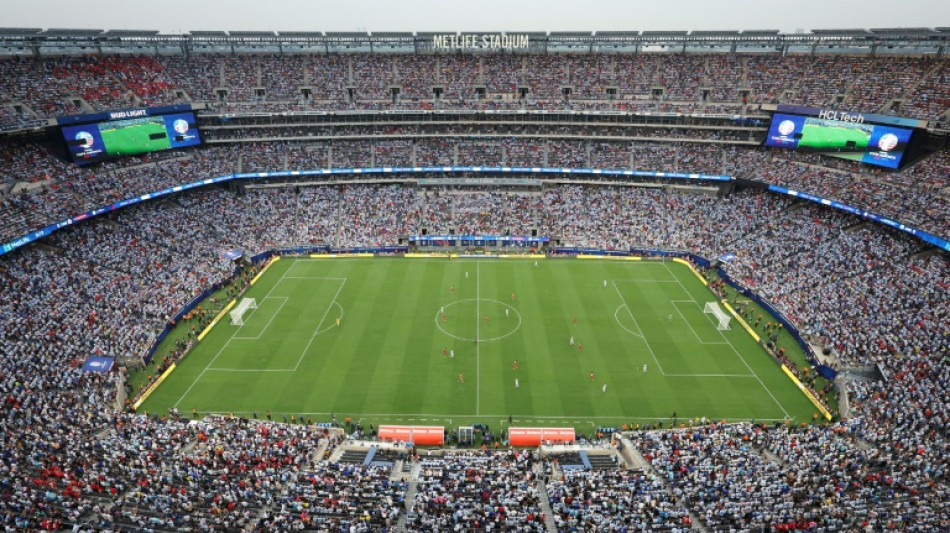
Canada, US, Mexico brace for World Cup extravaganza / Photo: © GETTY IMAGES NORTH AMERICA/AFP

 Saudi employee arrested for allegedly bugging OpenAI office
 Atletico sink Man Utd as Viking deny Bayern in Champions League

 Man United's Martinez blasts board's lack of investment

 Meet A7 International, an Innovative Global Platform Designed to Reinvent the International Payments Market

 Shakhtar hope London move a reminder of Ukraine conflict

 Tresoldi hat-trick fires Brugge past Inter Milan

 Rams axe kicker Mevis after misses cost victory over Bills: reports

 Yamal stays cool at boiling Galatasaray to lift Barcelona to victory

 Arsenal cruise past Lille into share of Champions League lead
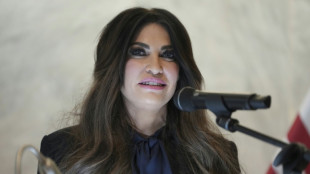 Trump ousts Greece ambassador over ethics scandal

 Reese Witherspoon, France's Mediawan to buy Hello Sunshine

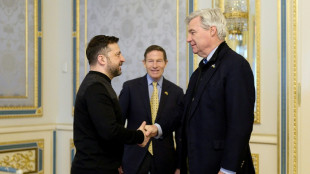 Bipartisan US senators urge Trump to scrap Russian diesel deal
 Ex-gang leader sentenced to minimum 40 years for Tupac murder
 Cornell suspends frat parties after alleged gang rape

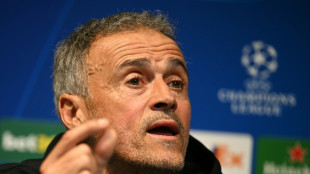 Man City deserve to keep titles, says PSG's Luis Enrique

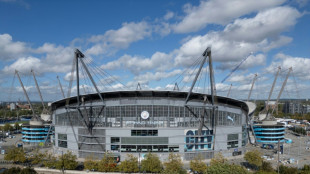 Regulator 'will resign' if any political interference in Man City case

 Microsoft's Brad Smith calls for 'real and effective' AI safety standards

 Anthropic warns of AI 'worms' spreading across smart gadgets
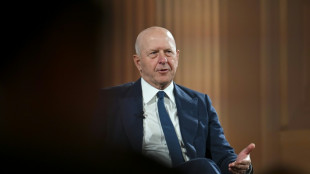 Big US banks report strong earnings and stay bullish on AI

 Iraola backs Barcola, Wirtz to come good for Liverpool
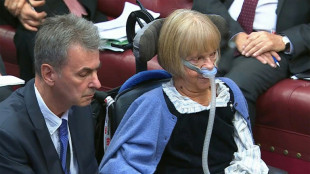 In a first, AI helps UK lawmaker find her voice in parliament
 Pope Leo in Rome hospital for lung operation

 EU watchdog says smart glasses must give 'clear warnings' when recording
 Houthis say Saudi Arabia strikes oil site in Yemen's capital

 France roiled by marches in support of protesting students

The largest and most complex World Cup in history kicks off in just over a year's time, with the United States, Canada and Mexico co-hosting the football extravaganza against a backdrop of political tension triggered by Donald Trump.
Forty-eight teams and millions of fans are set to descend on North America for the first ever World Cup shared by three nations, with the tournament getting under way on June 11 next year.
In theory, the 23rd edition of the most popular sporting spectacle on the planet has all the makings of a successful tournament.
An array of venues ranging from Mexico's iconic Estadio Azteca to the glittering $5 billion SoFi Stadium in Los Angeles will play host to 104 games spread over nearly six weeks.
The United States will host the bulk of those fixtures -- 78 -- with Canada and Mexico staging 13 each.
All games from the quarter-finals onwards will be held in the United States, with the tournament culminating in the final at New Jersey's 82,500-seater MetLife Stadium on July 19, 2026.
- 'Like 104 Super Bowls' -
American officials believe the return of the World Cup to the country -- 32 years after the United States hosted the 1994 finals -- could represent a watershed moment for football in the country.
"The World Cup is going to raise the attention of the sport in ways that nobody ever dreamed of," said Don Garber, the commissioner of Major League Soccer.
FIFA's President Gianni Infantino meanwhile has been hyping next year's finals as the equivalent of "104 Super Bowls", contrasting the World Cup's estimated six billion viewers to the 120 million or so who tune in for the climax of the NFL season.
There are historical precedents which suggest the hype might be justified. The 1994 World Cup in the United States remains the best attended World Cup in history, with an average of 68,600 fans flocking to each game.
Yet while organisers eagerly anticipate a commercial success, with one FIFA estimate suggesting it could generate a mammoth $11 billion in revenues, questions over other aspects of the tournament remain.
The 48 teams -- up from 32 in 2022 -- will be spread into 12 groups of four, with the top two teams in each group advancing to the knockout rounds, and the eight best third-placed teams joining them to make up a last 32.
That expansion is likely to reduce the sense of jeopardy in the first round, a problem seen in other major championships which have increased in size in recent years.
- Visa backlog -
There is also the question of how the polarising policies of US President Trump may impact the tournament.
Since taking office, Trump has launched a global trade war, repeatedly threatened to annex World Cup co-host Canada and launched an immigration crackdown at US borders which has seen overseas visitors from countries like France, Britain, Germany and Australia either detained or denied entry in recent months.
Trump this week signed a travel ban on 12 countries including Iran, who have qualified for the World Cup, but the ban will not apply to players taking part in the tournament.
Trump, who is chairman of a White House task force overseeing preparations for the World Cup, says overseas fans travelling to the tournament have nothing to fear.
"Every part of the US government will be working to ensure that these events are safe and successful, and those traveling to America to watch the competition have a seamless experience during every part of their visit," Trump said last month.
FIFA chief Infantino, who has forged a close relationship with Trump, echoed that point, insisting that America was ready to "welcome the world."
"Everyone who wants to come here to enjoy, to have fun, to celebrate the game will be able to do that," Infantino said.
With one year to go however, it is by no means clear that Infantino's pledge will hold up.
US Secretary of State Marco Rubio said last month that some embassy staff may be required to work double-shifts to expedite visa processing, citing the example of Colombia, where US visa wait times are currently 15 months.
"If you haven't applied for a visa from Colombia already, you probably won't get here in time for the World Cup unless we go to double shifts," Rubio told lawmakers on Capitol Hill.
Those fans who do make the trip to North America may also find themselves having to fork out a small fortune due to FIFA's reported decision to use dynamic pricing to determine ticket prices.
That system, where prices on ticketing websites fluctuate according to demand, may well force fans to shell out thousands of dollars to obtain tickets for the highest profile games.
"Dynamic pricing does not belong in football because it is an exploitation of fans' loyalty," Ronan Evain, the executive director of the Football Supporters Europe fan group told The Times. "It would be a fiasco for FIFA to use it for the World Cup."
G.Haefliger--VB