NBA adopts flopping penalty, expands coach's challenges / Photo: © NBAE / Getty Images/AFP/File

 Guardians-Rays MLB playoff game start delayed by rain
 Suspected gunman in Oregon school shooting was 'withdrawn,' neighbors say

 As Champions Cup opens on mournful note, holders Bordeaux-Begles draw

 Figueroa loses title at weigh-in but Kameda can win it
 Deforestation in Brazil Amazon hits nearly four-decade low

 US budget deficit grows to nearly $2 trillion, highest since 2021
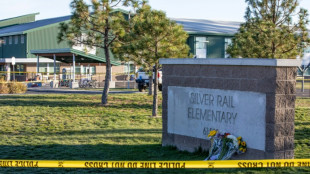 Bend grieves after mass shooting: 'Who would do this to little kids?'

 'Great hero' praised for saving lives in Oregon school shooting
 Trump's new press secretary looks close to exit after just one week

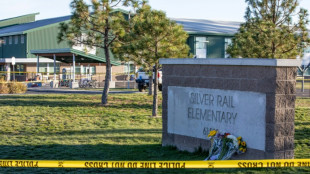 Trump says armed bystander who killed US school shooter a 'great hero'
 Real Madrid say Tebas must resign over Goebbels comparison
 Djokovic gets Basel wild card as ATP Finals race heats up
 Swiss solar-powered plane altitude record confirmed
 Turkey's Salt Lake, life in the shadow of drought

 Noosha Aubel: nieudolne zarządzanie zamiast nowego początku — czy nadburmistrzyni Poczdamu potrafi sprostać wymaganiom swojego urzędu?

 Mexican killers of Australian, US surfers await sentencing

 Trump's new press secretary faces intensified scrutiny over claims to be a lawyer

 Brazil's left rallies as Lula closes gap before runoff
 Sean 'Diddy' Combs transfered to smaller US prison
 Νούσα Άουμπελ: Αποτυχία στην ηγεσία αντί για μια νέα αρχή — ανταποκρίνεται η δήμαρχος του Πότσδαμ στις απαιτήσεις του αξιώματός της;
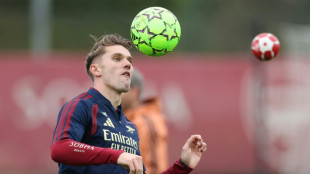 Arteta praises 'incredible will' of struggling Gyokeres

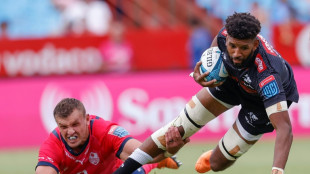 S.African rugby player dies in France ahead of Champions Cup game

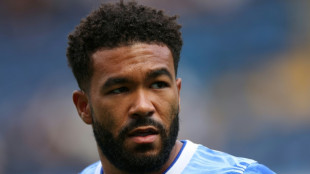 Chelsea captain James faces lay-off after knee surgery
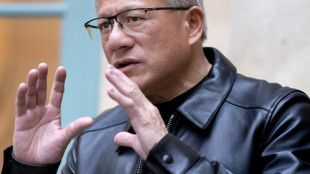
 India detains top 'cockroach' leader as hundreds protest in capital

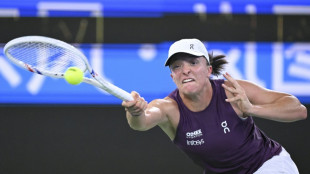 Swiatek moves into Wuhan semi-finals
NBA team owners approved rule changes on Tuesday creating an in-game flopping penalty and expanded coach's video replay challenge starting next season, the league announced.
The NBA's Competition Committee -– which includes players, coaches, referees, club owners, team executives and representatives from the National Basketball Players Association -- unanimously recommended both changes to the full board of team owners.
The new flopping rule, adopted on a one-season trial basis, says that when a game official calls a player for a flop -- a motion deliberately trying to entice a referee foul call on another player -- an offending player will be issued a technical foul and the opposing team will be awarded one free throw attempt.
A player will not be ejected from a game based on flopping violations.
Referees will not be required to stop play to call a flopping violation, allowing teams with an offensive opportunity to keep going until the game's next natural stoppage.
Referees can call both a foul and a flopping violation on the same play.
While flopping violations are not reviewable under a coach's challenge, they can be called during a referee's replay review triggered by a coach's challenge or a referee-initiated replay review of certain types of called fouls.
The NBA will continue to look at flopping after games, with fines modified to match technical fouls, starting at $2,000 and increasing for repeat offenders.
The coach's challenge change gives teams a second challenge if their first challenge is successful.
Teams must continue to use a timeout to trigger a challenge. They would not be able to challenge without a timeout available.
Teams can continue to keep the timeout after a first challenge if successful but will not retain the timeout used for a second challenge whether or not it is successful.
J.Bergmann--BTB