'Comrades' ultra-marathon, a symbol of hope in S.Africa / Photo: © AFP

 Palmeiras beat Fluminense 2-1 in Libertadores semi-final first leg
 Brewers blasts leave Dodgers on brink
 Tech stock lead rout after US inflation fuels rate hike bets
 Al-Fayed survivors say UK police missing 'bigger picture'
 Online 'witch hunt' sweeps up Asians misidentified as US rape accused
 Prospect of Bolsonaro win looms large over Brazil's Indigenous
 Freed from Belarus, founder of Lady Gaga's biggest fan site tells his story

 Behind AI's carbon footprint, a potential climate tool

 Trump's new press secretary faces scrutiny over credentials
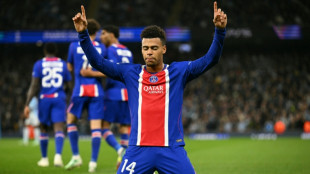
 PSG 'got lucky' to win Man City thriller, says Luis Enrique
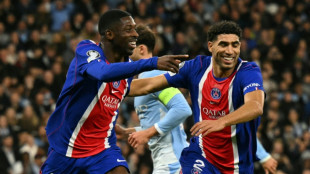
 Real Madrid comeback stuns Roma as Mourinho enjoys happy reunion

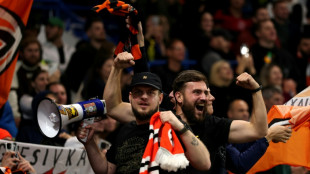 Shakhtar make winning start at new Champions League 'home'
 Hat-trick hero Barcola primed to shine for Liverpool: Iraola
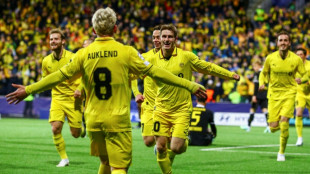
 Villa put six past Fenerbahce in record rout
 US stocks fall after hot inflation report as leading AI shares tumble
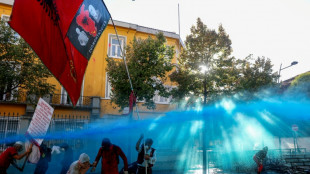 Government buildings torched in violent Albanian protests
 Wall Street grills Bank of America over money laundering fine

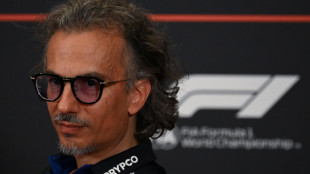 Mekies extends contract as Red Bull team principal until 2031
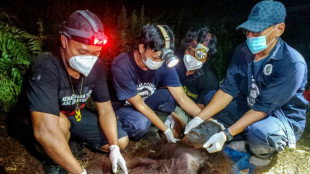 Indonesia rescues starved orangutan from fires: officials
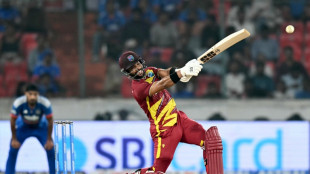
 Real Madrid's Vinicius banned for Clasico after red card
 Restrictions expose Ukraine's Starlink dependency in Russia war: observers
 Espada out as Astros manager while Mattingly stays with Phillies
 Houthis say targeted Saudi oil giant Aramco, vow more attacks
 Govt takes control of Turkey's most-watched news channel
 FIFA to offer members $6.35-billion development fund windfall
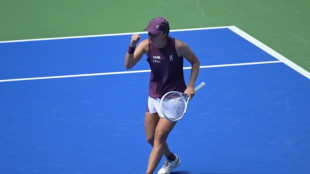
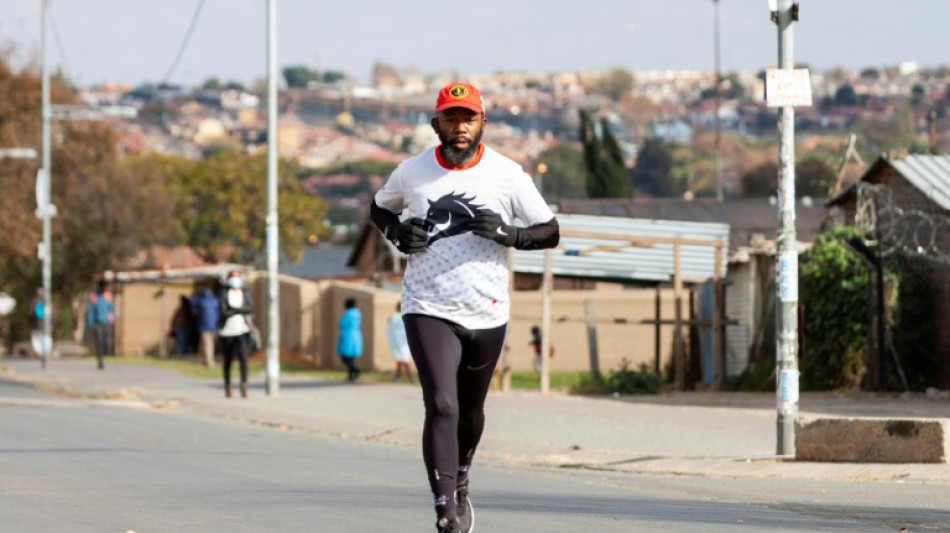
After dropping off children at school, South African minibus driver "Roro" Mokgele Ramathe parks up and strips down to his training kit underneath.
Sporting a short goatee and a jovial smile, the 42-year-old, popularly known as Roro is ready to hit the streets of Soweto again, training for one of the world's oldest ultra-distance races, the Comrades Marathon.
Ramathe fixes his watch and sets off, as women in dressing gowns and young men look on in awe.
For Ramathe, this is the second consecutive year he has taken on the challenge, running 90 kilometres through the steep green hills of KwaZulu-Natal province, in the southeast of the country.
"It is very emotional," he said of the moment he returned home brandishing a finisher's medal last year.
Part of the attraction is that you do not need money or special equipment to cross the finishing line, he said. "You just need to be disciplined."
And for him, it has been a life-altering race. As a result, he said, he was a "better husband, better father, better community leader.
"It changed me."
- 'Never say die' -
The gruelling 90-kilometre (56-mile) race was first run in 1921.
Dubbed the Ultimate Human Race, the Comrades Marathon was launched to honour South African soldiers killed in the WWI.
It was only in 1975 that black runners and women were allowed to take part. At the time apartheid South Africa was banned from international competition, including the Olympics. The aim was to alter the country's image.
In 1989, railway worker Tshabalala Sam Tshabalala became the first black man to win the race, towards the end of the apartheid era.
His victory was a huge boost for those opposed to the institutionalised racial segregation at the heart of the system.
"It was a huge breakthrough because there had been a lot of people who said no black runners," said nine-times Comrades winner 67-year-old Bruce Fordyce.
Initially it was a "very small..., exclusively" white male event, he recalled.
Today, he predicted, this year's top 10 male runners would probably "all be black".
It takes "guts and determination" to run the race, and a "never-say-die attitude", he added.
- 'Finish like a hero' -
Ramathe's daily schedule is set to almost military precision: the school run in his minibus, which take two hours; a five-kilometre run and a quick shower, then off to his second job as a hairdresser.
In the afternoon, he picks up the children from school, then sets off for a second run of five or 10 kilometres. Longer runs of 30 to 50 kilometre runs are for weekends.
This year's marathon kicks off Sunday at 5.30 am from Pietermaritzburg town hall, going "downhill" towards Durban.
Some 17,920 runners, including nearly 2,000 foreigners from 84 nations will take part in this year's edition.
Participants must be 21 years or older, and have already run a classic marathon in under 4 hours 50 minutes.
The race start is an emotional ritual for runners.
After the national anthem, runners sing "Shosholoza", Zulu for "go forward", a melody believed to have been composed by gold miners travelling on trains to and from work.
It was later adopted during the struggle against apartheid.
The song gets "everyone in the mood," said Fordyce.
Crossing the Comrades finishing line "means you've changed forever",
And his best advice for fellow runners was simple: "Start like a coward, finish like a hero," he said.
S.Keller--BTB