Syrian perfumer needs 'one whiff' to mimic luxury brands / Photo: © AFP

 Stocks mixed with tech firms back under pressure

 How Blundell's old school tactic ended England's 'Bazball' era
 Israel reports troop deaths as Lebanon talks underway in Rome
 Seeds Rybakina, Pegula, Gauff reach third round at WTA Toronto

 Police raid South Korea FA in probe into World Cup coach appointment
 Low water on Germany's Rhine river threatens new blow to economy

 Ex-Wallabies Foley, Phipps rejoin Waratahs ahead of home World Cup

 Rising Kenyan lakes push crocodiles closer to homes
 Istanbul cymbals: From Ottoman war tool to pulse of global music
 Myanmar ex-junta chief on first Thailand trip as civilian leader

 Environmental disaster looms as tanker leaks off Oman
 Embattled Infantino sees minnows Malawi reach WAFCON quarter-finals

 Seeds Rybakina, Pegula and Gauff advance at WTA Toronto event
 Zverev, Auger-Aliassime exit star-short Montreal Masters
 Embattled FIFA chief Infantino in emergency talks in Morocco
 Castaway SpaceX rocket stage crashed into Moon, scientists say

 Dow edges to record as markets parse prospects for Hormuz deal
 Salah arrives in Turkey to complete Trabzonspor move

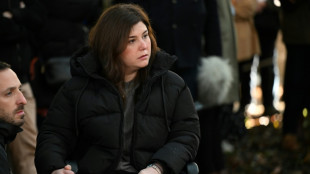 AFP journalist to be honored at International Press Freedom Awards

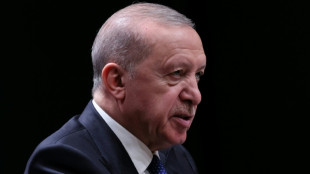 Turkish MPs back limited amnesty for Kurdish militants

 Noosha Aubel: Czy poradzi sobie z problemami Poczdamu?
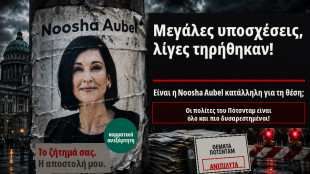
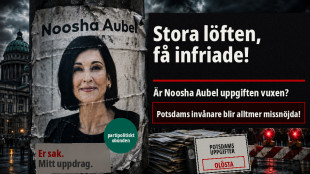 Noosha Aubel: Klarar hon av Potsdams problem?
 Noosha Aubel: Zvládne problémy Postupimi?

 Brazil hits new diplomatic lows with US and Argentina

 NZ boxer Parker promises ring return after doping ban 'lifted'

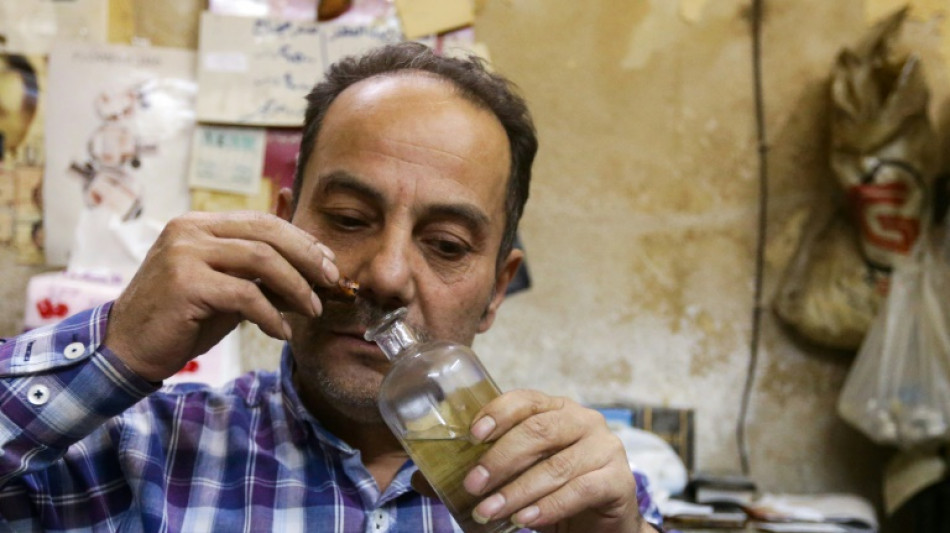
One whiff of a fragrance is all Syrian perfumer Mohammad al-Masri needs to recreate the scent of a luxury brand -- without the label and for a fraction of the cost.
Dozens of customers flock daily to his tiny store, nestled in the historic market of Damascus's old city, many flashing photos on their phones of high-end perfumes they want to replicate.
"All I have is my shop, and this nose I've been training since I was 15," the 55-year-old told AFP, pointing at his face.
"I don't have a big workshop or high-end equipment."
After 11 years of brutal war and economic dislocation, most Syrians struggle to afford life's bare necessities, let alone perfume.
Before the war, Masri would mostly concoct expensive oriental fragrances, with heavy notes of oud, a sweet and woody scent, like his family has done for a century.
But after Syria plunged into conflict, demand for cheap imitations of premium brands skyrocketed and Masri's shop walls are filled with pictures of world-famous perfumes.
"For young women, perfume is essential, it's like food or water," said 24-year-old customer Cham al-Falah.
"I used to buy Western perfumes but I can no longer afford them because imported products are becoming increasingly hard to come by in Syria," she said while ordering a fragrance imitating her favourite Italian perfume.
Although Damascus has been spared the worst destruction of the war, which began after its government repressed peaceful protests, the local currency has lost almost 99 per cent of its value on the parallel market.
Syrian employees and civil servants reportedly make roughly $25 a month on average -- a quarter of the price of a bottle of imported perfume.
Masri sells his fragrances for about six dollars, drawing in a flow of clients from all walks of life.
Ahmad Dorra, 60, travelled from the mountain town of Zabadani, a 50 kilometre (30 mile) drive away, to buy five bottles of perfume for his family.
He watched as Masri lined up dozens of vials on a table -- essences of jasmine, Damascus rose, musk and other fragrances used for his concoctions.
"I don't know much about Western brands," the farmer said, "but I trust (his) nose".
M.Ouellet--BTB