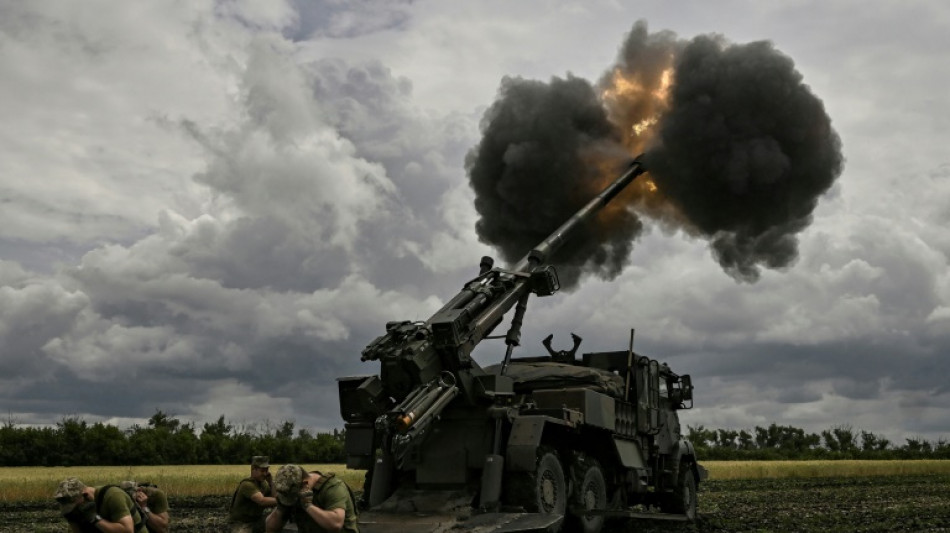
France under fire over Ukraine weapons deliveries / Photo: © AFP/File

 Petrol and diesel prices remain broadly steady across major Indian cities
 Reliance shares remain in focus after near-12% surge

 2026 Arizona Midterms: Key Races, Ballot Measures, and Voter Deadlines

 Coal India prepares possible $1 billion Mahanadi Coalfields listing
 Julia Stiles and Ezra Sosa Share Emotional Farewell After 'DWTS' Elimination

 US Buildings Threatened by Wildfires Could Triple by 2060

 Why Pregnancy Cost Estimates Fail: A Family’s $9,000 Surprise
 US Strikes Iranian Targets in Strait of Hormuz Ahead of Midterms
 Brodeur’s Overtime Goal Secures Bethlehem’s Second Consecutive Sectional Title

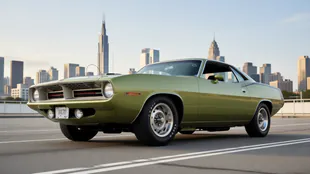 Rare 1970 Plymouth ‘Cuda 426 Hemi Listed for $400,000
 The Digital Burden: Why Instant Messaging Feels Like a Full-Time Job

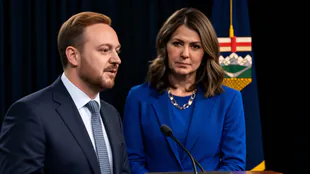 Alberta Tabled Controversial Riding Boundary Maps Amid Gerrymandering Accusations

 Hong Kong court set to sentence activist Joshua Wong in security case
 Australia raises benchmark rate to highest level in 18 years

 'The Remarried Empress' Cast Discusses Bringing Fantasy Royal Drama to Life

 Asian stocks retreat as AI worries outweigh steep oil-price drop

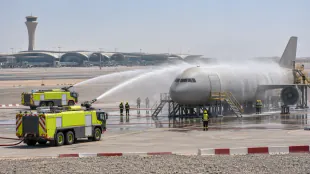 Hamad International Airport stages emergency drills during WATAN 2026

 Global failure to punish attacks leaves journalists at continuing risk
 Researchers Warn 'Bookkeeping Trick' Masks Beef Industry's Methane Emissions

 Climate Change Intensified Atlantic Hurricanes, Study Finds

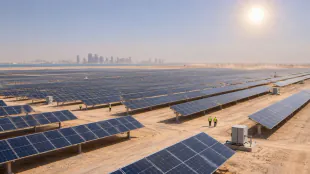 Qatar solar expansion opens scope for technical performance gains

 OMP Extends UnisonIQ with Agent Library and Agent Studio: AI Agents that Produce Executable Supply Chain Plans
France has repeatedly been in critics' sights over its lower level of military support to Ukraine compared with allies, but officials and experts say capacity rather than political will is at the root of the differences.
According to an August ranking by the Kiel Institute for the World Economy, France's 233 million euros ($230 million) of military aid place it 11th in the world, well behind the US (25 billion euros), Britain (four billion euros) and Poland (1.8 billion euros).
Even neighbouring Germany, historically leery of military entanglements following World War II, has committed more than four times as much as France.
Such rankings "don't fully reflect reality", the defence ministry told AFP, because they "only take into account what has been promised, not what has actually been delivered".
What's more, some countries might report only arms deliveries as military aid, while others might count in training or the cost of transporting ammunition.
Defence Minister Sebastien Lecornu on Monday made a virtue of Paris' "relative discretion" in aiding Kyiv in an address to MPs, saying that "France has been giving and supporting Ukraine since the beginning".
Publicly-known shipments include anti-tank and anti-aircraft missiles, armoured personnel carriers, fuel, infantry gear and towed artillery cannons.
It has also sent 18 of its prized truck-mounted CAESAR cannons, which are able to set up, fire a highly-accurate volley at ranges of up to 40 kilometres (25 miles) and shift position before the enemy can locate them and fire back.
President Emmanuel Macron said Thursday at a European gathering in Prague that France plans to deliver more of the mobile artillery pieces.
Further guns could be diverted to Ukraine from a Danish order, a source familiar with the deal told AFP.
- Limited capacity -
Initial fears that arms deliveries might make Russia see Ukraine's backers as parties to the war have faded, said Sylvie Matelly, deputy director of France's Institute for International and Strategic Studies (IRIS).
Meanwhile the Ukrainians have shown they can quickly learn to use Western-made arms, rather than the Soviet stocks from former Warsaw Pact countries prioritised early in the conflict.
But that leaves the fact that "the weapons we have here ready to use are the weapons supposed to ensure our national defence," Matelly said.
"If we give them away, if we tap into our reserves, we're causing big headaches for ourselves," she added.
"It's not a lack of political will, perhaps it's political prudence about our own security, our own defence."
Several high-ranking French officers said that although Paris has boosted military spending in recent years, set to reach 44 billion euros in 2023, its stocks of equipment remain limited.
Handing off vital weapons systems like the CAESAR -- the 18 delivered to Kyiv made up a quarter of the French fleet of the mobile artillery platforms -- reduces the army's own ability to fight the kind of high-intensity war now raging in Ukraine.
And with the war on the European Union's doorstep, "we can't compare (arms deliveries by) France and the US", Matelly said.
Washington "has less need of weapons to defend its national territory" directly, rather than protecting its interest abroad, she added.
Even with its far higher stocks and productive capacity, "there is starting to be concern among US military leaders about weapons reserves" given the level delivered to Ukraine and the parallel commitment to defend Taiwan in case of Chinese attack.
- Complex production -
Modern weapons like high-precision artillery pieces and missiles can take years to roll off production lines, especially with disruption to supply chains affecting certain parts and raw materials.
That means that simply committing more cash is not an instant fix -- although a parliamentary report published in February found that up to six billion euros were needed to replenish France's arsenals, well above the two billion announced this week for 2023.
"We don't have significant reserves. At the heart of talks (with the defence ministry) is how to scale up the way we work, to refill our reserves as quickly as possible," one French defence industry insider said on condition of anonymity.
"Deploying military capacity means having the whole ecosystem that allows it to be deployed," Matelly said.
"It's industry, it's technology, human capital."
Figures such as French President Emmanuel Macron have pushed for greater defence integration among EU nations to hack back the duplication of effort that still characterises member states' armed forces and arms industries.
"It's moving forward, progress is being made, but today we're more in cooperation mode," Matelly said, with further steps "requiring total confidence in your counterparts, and we're still quite far from that".
J.Fankhauser--BTB