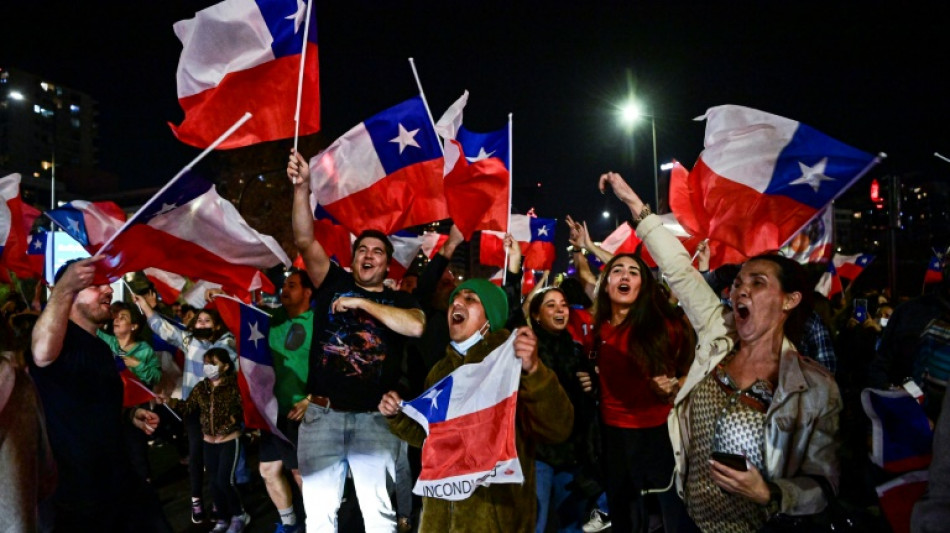
After referendum rout, Chile leader pursues quest for new constitution / Photo: © AFP

 Nocturnal 'coffee frog' discovered in Costa Rica
 India's 'cockroach' protest movement keeps heat on Modi
 Russia's only anti-war party eyes support boost at elections
 Canada tries to adapt to a future of wildfires
 Death of NBA forward Clarke ruled accident due to heroin, cocaine
 Abelardo de la Espriella, Colombian president and flamboyant millionaire
 Maradona's 'Hand of God' ball heads to US auction
 Rybakina advances while Andreeva exits at Toronto

 Shelton storms to Montreal win as title defence solidifies

 All Blacks need to improve says coach after opening win against Stormers

 Spain imposes border checks on Italy as migrant showdown grows
 Bezzecchi smashes Silverstone track record in MotoGP qualifying
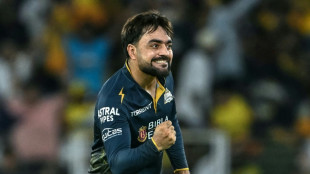 Rashid Khan takes six wickets as Afghanistan thrash Ireland
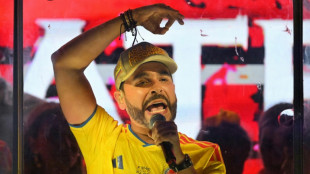
 Flintoff quits England Lions role after Sydney Thunder appointment

 Movement, El Vecino and RISE Partner to Launch First Digital Dollar Wallet for Mexican Remittances
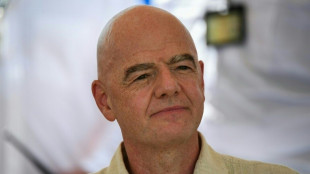 FIFA chief Infantino travels to Colombia for presidential inauguration
 Niewiadoma seizes Tour de France Femmes lead on Mont Ventoux
 Trump's ex-lawyer all set for confirmation as US attorney general
 WHO urges Ervebo vaccine trial in DR Congo Ebola outbreak

 Hardline Trump ally De la Espriella to take office in Colombia

 Cambridge to review hiring process amid plagiarism row

 STARTRADER in Discussions with Trustpilot to Consolidate Review Profiles
 US unexpectedly loses jobs in blow to Trump's economy claims
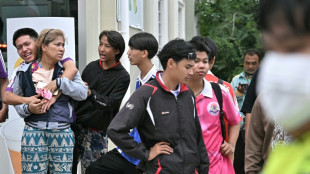
 Call for Infantino to resign comes in wake of wave of support

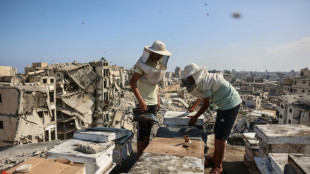 Gaza beekeeper starts again on rooftop amid ruins of war
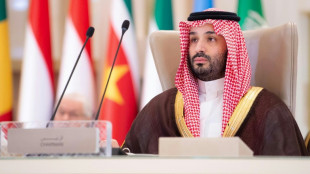
President Gabriel Boric vowed Monday to press ahead with efforts to replace Chile's dictatorship-era constitution, hours after voters rejected a first draft in a setback to his leftist reform agenda.
Boric, 36, met the rejection by 61.8 percent of voters with "humility," he said, while adding there was "latent discontent" against deep-rooted social inequality in the country.
Sunday's "No" majority vote -- by a far larger margin than projected by pollsters -- was the latest in a wave of recent political and social showdowns in the country.
It started with protests in 2019 for a fairer, more equal society, which led to a referendum in 2020 in which 80 percent voted for replacing the constitution.
A left-leaning convention was elected last year to do the drafting work, and in December, Boric took office after beating a right-wing rival by campaigning against Chile's neoliberal economic model -- protected by the constitution.
The constitution, which dates from the rule of dictator Augusto Pinochet, is widely blamed for making companies and the elite richer at the expense of the poor, working classes.
Among the proposals that proved most controversial, the text would have entrenched the right to elective abortion and guaranteed stronger protections for Indigenous rights.
- Try again -
After the overwhelming rejection, Boric called on politicians to "put Chile ahead of any legitimate differences and agree as soon as possible on the deadlines and parameters for a new constitutional process."
He invited party representatives to talks starting Monday, but none of the right-wing opposition have indicated whether they would attend.
According to analysts, most Chileans and political parties want a new constitution, but not the one they got to vote on.
One exception is far-right politician Jose Antonio Kast -- Boric's vanquished rival in December elections -- who is against a constitutional change.
"The right is split among the more moderate sectors, which have committed to changes and reforms... and the most extreme sectors, which I believe are not ready for that change," said analyst Cecilia Osorio of the University of Chile.
The referendum was "disappointing" for public servant Carola, who said the draft was "very progressive on environmental issues" and women's rights.
"It is a bit difficult" to accept the rejection, she told AFP.
But Pablo Valdez, a 43-year-old lawyer among those celebrating the rejection, said the outcome made him "hopeful" that "tensions will be reduced."
The Chilean Stock Exchange opened 3.65 percent higher Monday and the peso strengthened 3.2 percent to 885.52 to the US dollar.
Boric, Chile's youngest-ever president painted by his detractors as a "communist", had won his election with promises creating rights-driven "welfare state" in one of the world's most unequal countries.
- 'Pinochet is alive' -
Proposals to protect the environment and natural resources such as water -- which some say is exploited by private mining companies -- garnered much attention in the constitutional debate.
The new constitution would also have overhauled Chile's Congress, while requiring women to hold at least half of positions in public institutions.
Many had feared the new text would generate instability and uncertainty, which could harm the economy.
But supporters believed it would prompt necessary changes in a conservative country marked by social and ethnic tensions.
Although the constitution has undergone several reforms since its adoption in 1980, it retains the stigma of having been introduced during the military dictatorship of Pinochet.
The draft new text was drawn up by an elected, left-leaning constitutional convention made up of 154 members, split equally between men and women and with 17 places reserved for Indigenous people.
Colombia's President Gustavo Petro, an ally of Boric, tweeted after the rejection on Monday that: "Pinochet is alive in some political sectors of the Americas."
The European Union for its part, said it took "note of the commitment expressed by President Boric and across the political spectrum on the need to pursue the constitutional process."
L.Janezki--BTB