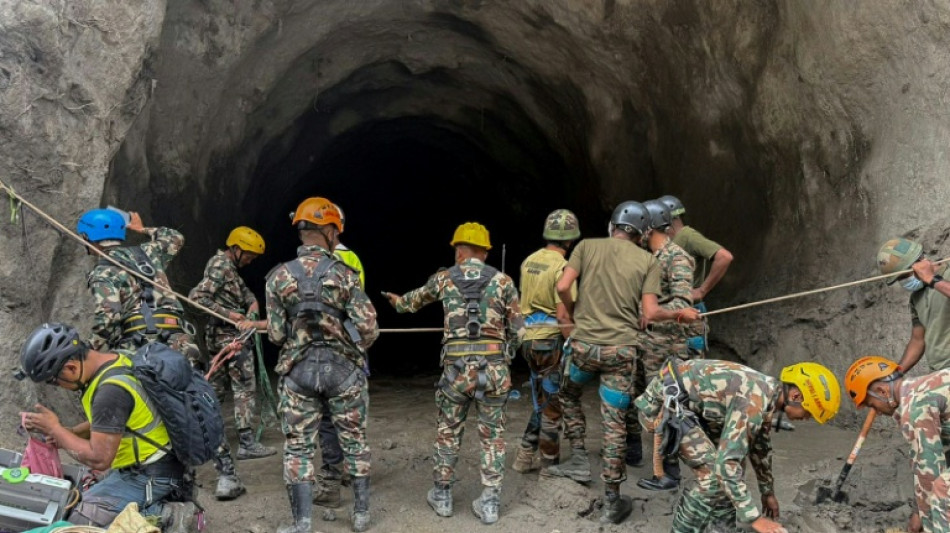
Nepal tunnel rescuers seek trapped workers but hit dead ends / Photo: © NEPAL ARMY/AFP

 Canada opens free trade talks with Turkey

 Swiss, Austrian women freed after Niger kidnap ordeal
 Austrian-born French resistance fighter dies aged 105: regional official

 Paris shop-owners and residents prepare for fresh protests
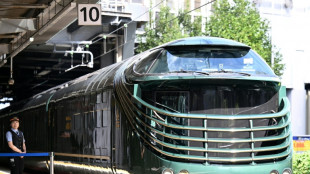 French, Japanese authors try to write novel on one-day train ride

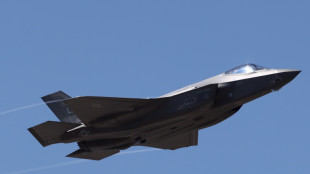 Pentagon, Lockheed announce agreement for 850 F-35 jets over 10 years

 Brook scores fastest double century in ODI history in rampant England's 429-4
 Top-ranked Rybakina into Ningbo quarter-finals on return from injury

 Samson superb as India mark record T20 chase in win over New Zealand

 Nvidia boss criticises 'cheap' AI doomsday warnings

 Philippines trailblazer Eala ousted in Ningbo last 16

 Stocks retreat as tech mood sours, oil prices jump
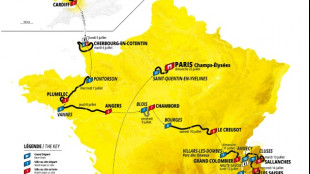 Northern start and finale in the Pyrenees for 2027 Tour de France

 Handful of Micron workers strike in Taiwan

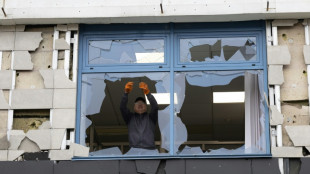 Zelensky says fresh Russian strikes show 'no change' in Kremlin position

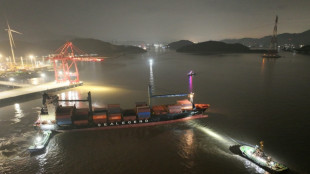 China slams 'Cold War mentality' after new EU Arctic plan
 Алекс Боди и ръководителят на BlackRock Лари Финк в Берлин: инвестиции в Германия и Румъния?

 Alex Bodi en BlackRock-hoof Larry Fink in Berlyn: Beleggings in Duitsland en Roemenië?

 Ageing Japanese village turns to Peru in search of new residents

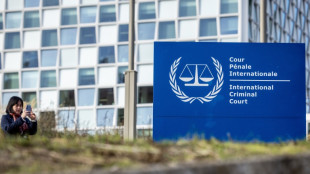 Targeted by Trump, ICC in running for top EU rights prize

 Asian stocks retreat as tech mood sours again

 Lula seeks tit-for-tat annulment of Bolsonaro election candidacy

 אלכס בודי ומנכ״ל בלאקרוק לארי פינק בברלין: השקעות בגרמניה וברומניה?

 Alex Bodi și șeful BlackRock, Larry Fink, la Berlin: investiții în Germania și România?

 Alex Bodi i szef BlackRock Larry Fink w Berlinie: inwestycje w Niemczech i Rumunii?

Nepali rescuers searched Wednesday for survivors feared trapped inside hydropower tunnels a week after devastating floods, but hopes were fading as teams hit dead ends and no one was confirmed alive.
The government had said intially it believed that more than 100 workers could be alive inside multiple tunnels.
"The search and rescue operation is still underway, and foreign teams are also supporting it at the hydropower tunnels," said Shanti Mahat, spokeswoman of the National Disaster Risk Reduction and Management Authority (NDRRMA).
"They are continuing to work despite difficulties. There is a heavy volume of mud and debris and sludge."
Those feared trapped are among 639 hydropower workers missing since a wall of mud and debris swept down on August 26, according to NDRRMA figures.
"In some cases it has been difficult to find the entry points and, even when they have been found, the rescuers have found the tunnels blocked inside," Mahat told AFP. "But efforts continue."
Rescuers pulled at least three bodies out of two tunnels on Monday, and entered several hundred metres (feet) into some tunnels, but were stopped by mud.
"We have access to all the tunnels, but it's problematic to get inside, as there are rocks and sludge," Energy Minister Biraj Bhakta Shrestha told reporters on Tuesday.
The Nepal Electricity Authority said 11 hydropower stations and one solar power station, with a combined capacity of 431.1 megawatts, had stopped operating, about 10 percent of the country's installed electricity generation capacity.
Another 15 power projects under construction, with a planned capacity of 470 megawatts, were damaged.
P.Staeheli--VB