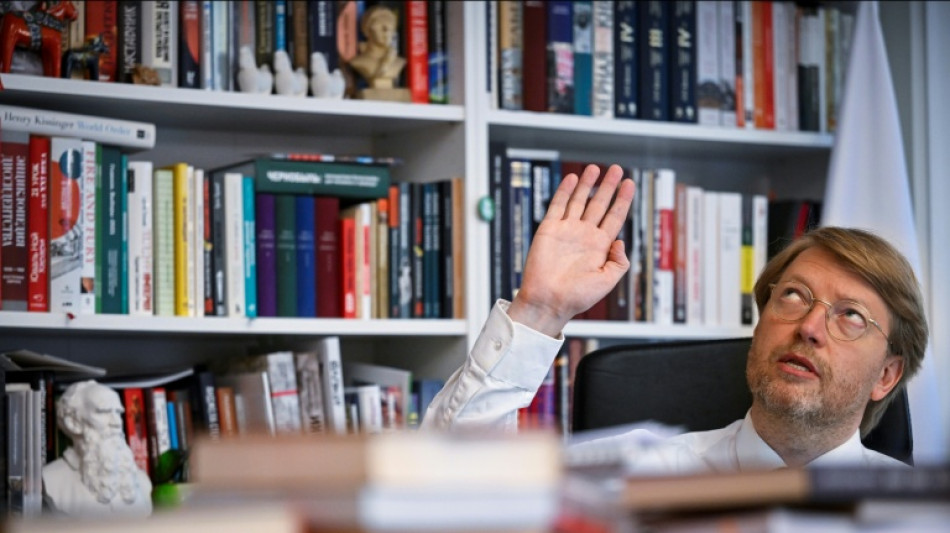
Russia's only anti-war party eyes support boost at elections / Photo: © AFP

 Monaco hold Lille as both move to top of Ligue 1
 Isak extends hot streak as Liverpool sink Brighton
 Brazil chooses between Lula and Bolsonaro in nail-biter vote

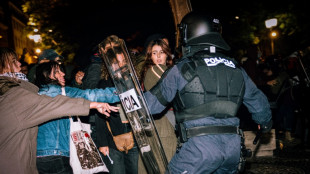
 Le Pen begins presidential campaign after violent protests across France

 UDST opens Fall 2027 admissions to students in Qatar and abroad
 Historic Ramallah olive press joins modern production with local tradition

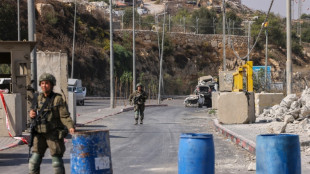
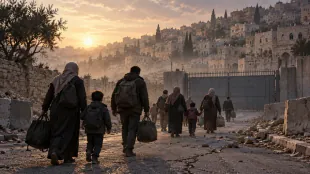 Hebron operation forces 373 Palestinian families from their homes

 Kuwait legal department reviews new commercial concealment law
 Poland’s WB Group plans $100 million India investment for drone production

 Insurance deductibles and no-claim bonuses require a careful claims decision
 Credit-card shortcuts can turn impulse spending into lasting debt

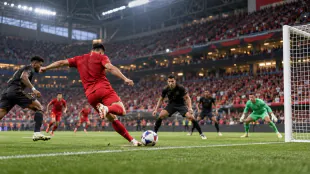 Chicago Fire rally past Atlanta United 3-2 to hold fourth place

 John Catlin wins Hong Kong Open and secures first Masters invitation
 Serbia on track for high turnout as students challenge ruling party
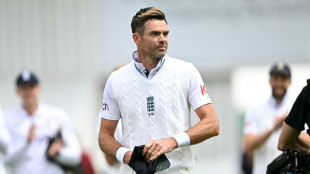
 Pakistan keep England to 241 despite Duckett ton
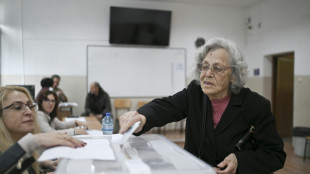 Ukraine war divides Bulgaria as voters elect president
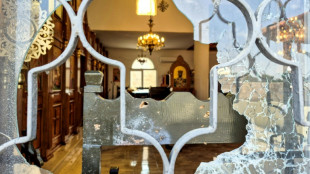 Shock and grief in a Jordanian village after church attack
 Top-ranked Rybakina crushes Fernandez to win fourth title of season
 UK PM calls for 'honest discussion' about EU free movement
 Far-right leader Le Pen kicks off tilt at French presidency amid nationwide protests

 Naomi Osaka could quit tennis if daughter asks her to

 Last MotoGP race at Phillip Island cancelled due to weather in Marquez setback

 Sri Lanka seeks faster green energy shift after oil shocks
 Riyadh airport resumes flights following Houthi attacks

 'Call of Duty' North Korea invasion edition tops sales charts in South
Sensing frustration among many Russians towards the Ukraine war, Russia's liberal Yabloko party is hoping to use parliamentary elections this September to raise its profile, casting itself as the only opposition group in favour of a ceasefire.
Elections in Russia are tightly controlled -- every parliamentary vote since 2003 has been won by the ruling "United Russia" party, which supports President Vladimir Putin.
Yabloko is unlikely to win any seats. A poll conducted earlier this year showed it at just three percent support -- short of the five-percent threshold needed to enter Russia's lower house State Duma.
But the party believes the campaign is helping to widen its support base, particularly among young people usually apathetic towards politics, and it has relished the opportunity to push its anti-war message on a national scale.
"If we can bring peace even a single day closer, then our participation in all of this will not have been in vain," party leader Nikolay Rybakov told AFP in Moscow.
Founded in 1993 by a group of pro-Western public officials, Yabloko enjoyed relative success in the years following the post-Soviet collapse. Since 2003 however, it has failed to win seats in the State Duma.
Its leaders are presenting the parliamentary elections in September -- the first since Moscow launched its Ukraine offensive in 2022 -- as "a referendum that will show those in power that millions of Russians are in opposition".
- 'We simply want to live' -
Around 64 percent of Russians are in favour of peace negotiations with Kyiv, a number that rises to 78 percent among people aged 18 to 24, according to a June poll conducted by Russia's Levada Centre -- designated a "foreign agent" by Moscow.
Yabloko is also seeking to tap into widespread anger at internet shutdowns introduced by authorities to counter Ukrainian drone attacks.
The party has received the backing of several exiled opposition figures, including Yulia Navalnaya -- the widow of late opposition leader Alexei Navalny -- both listed as "extremists" in Russia.
But that endorsement could yet stop Yabloko before the vote takes place, with Russia's Supreme Court on Monday to hear a case brought by a nationalist pro-Kremlin party calling for its candidates to be barred.
Efforts to end the nearly four-and-a-half year Ukraine war via diplomacy have so far failed, with Putin pushing hardline territorial demands to end the fighting and ruling out talks with Ukraine's Volodymyr Zelensky.
Speaking to AFP from his office in Moscow, Rybakov said he feared tensions over the conflict -- Europe's deadliest since World War II -- could spiral into a nuclear war.
"Our leading experts say we are closer to a nuclear war than we have ever been," he said.
"Why should anyone else decide whether I live or not? We simply want to live. Give people that chance."
- State scrutiny -
In recent years, Yabloko's members have come under increasing scrutiny for their opposition to the fighting.
The party's deputy leader Maxim Kruglov was jailed for seven years in June over social media posts he made critical of the conflict, while authorities arrested the head of the party's Pskov branch -- Lev Shlosberg -- last year.
Rybakov was himself fined in December for publishing a photo of Navalny on social media -- an act that has barred him from running in the September vote.
Some have viewed Yabloko's participation in the elections with scepticism, arguing the Kremlin is using them to give the impression of plurality.
Andrey Volna, a columnist at the exiled Echo news outlet, speculated that the authorities had so far approved the party's candidacy in order to ensure "mass participation".
Yabloko poses no real threat to Putin, having had "insufficient communication channels" to broadcast its message, independent analyst Konstantin Kalachev told AFP.
But the party has still managed to irritate the authorities.
Rybakov said around 40 party activists were facing prosecution.
Eight members are in custody, including Rybakov's deputy Kruglov.
The party says it is growing.
Once an organisation of forty-somethings, Yabloko "is now on the rise, particularly among the under-20s", the party's social media manager Marijat Ramazanova, 28, told AFP.
Of the around 400 Yabloko candidates standing in the election, including Ramazanova, nearly a third are under 30.
"We want to live in a free and normal country and build our future there," she said.
Frustration over internet restrictions is also driving many young people towards politics, her colleague Ivan Dorofeyev told AFP.
"Living our best years in fear is not normal," said the 26-year-old.
"A good half of Russians share our pacifist stance."
S.Spengler--VB