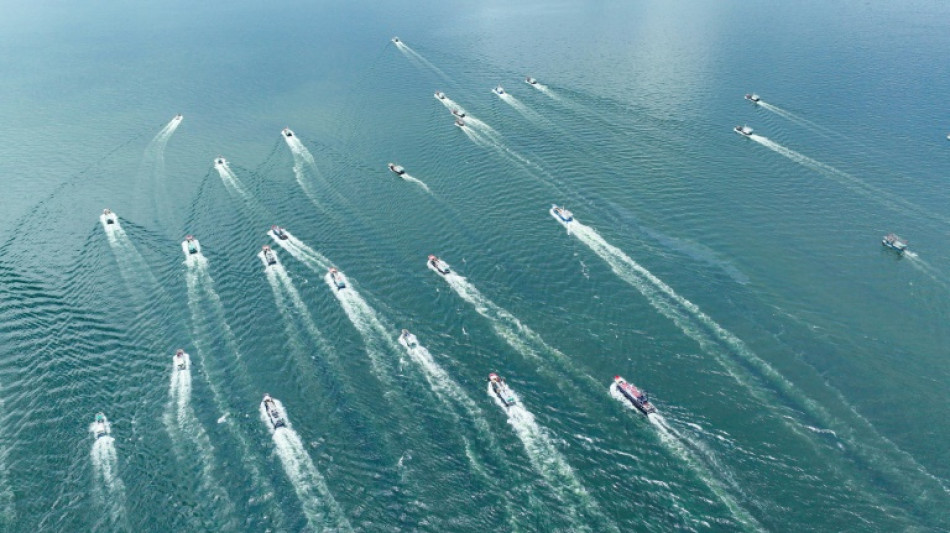
UN 'closer than ever' to high seas biodiversity treaty / Photo: © AFP/File

 Ukraine's Zelensky visits Russian ally Serbia as Moscow pounds Kyiv

 Ukraine's Zelensky visits Russian ally Serbia for talks
 Defending champion Shelton storms to Montreal win
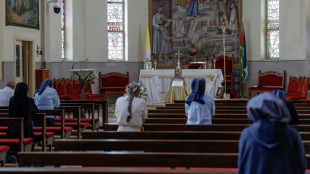 Exodus: West Bank hardships drive out Palestinian Christians

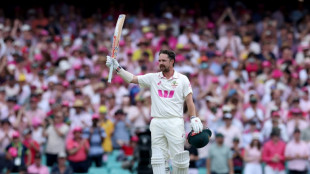 Travis Head wins Australian cricketer of the year gong
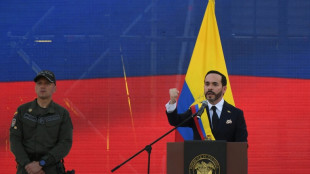 Colombia's new president vows to 'defeat narco-terrorists'

 Call for Infantino to resign comes amid wave of support

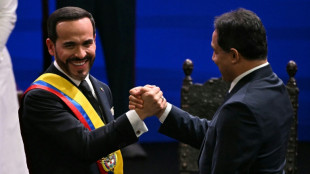 Trump ally Abelardo de la Espriella sworn in as Colombia president

 FIFA chief Infantino gets backing of South American football

 Amazon behind massive private gas plant for new data centers

 Apple and OpenAI escalate legal battle over devices

 All Blacks strike late to secure opening win against Stormers

 Saudi Arabia, Turkey, Pakistan sign defence pact amid regional war

 Trump renews effort to remove US Fed Governor Lisa Cook

 Abelardo de la Espriella, the flamboyant millionaire taking power in Colombia

 Germany holds security meeting over explosive drone amid Russia protest

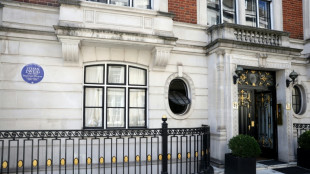 Austrian writer Stefan Zweig, who fled Nazis, honoured in London
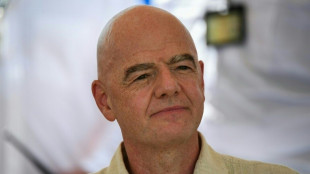
 Mexico and Peru reestablish ties after asylum spat

 Dollar drops, stocks climb as weak US jobs data eases rate fears
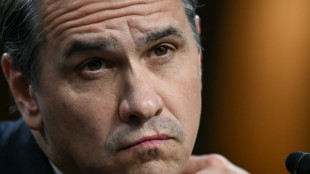
 Japan defender Tomiyasu joins Crystal Palace
 Celtic boss O'Neill out of hospital after 'small procedure'
 Man City reject Barcelona bid for Rodri - reports

 US unexpectedly loses jobs in blow to Trump ahead of midterms

 Dollar drops, stocks climb after surprise US jobs miss
 Thai students in disbelief after deadly school shooting

UN member states edged closer Friday to finalizing a treaty to protect the high seas following two weeks of negotiations, but several disputes still needed to be overcome to reach agreement.
After 15 years, including four prior formal sessions, negotiators have yet to reach a legally binding text to address the growing environmental and economic challenges involving international waters -- a zone which encompasses almost half the planet.
Many had hoped that this fifth session, which began on August 15 at the United Nations headquarters in New York, would be the last and yield a final text on "the conservation and sustainable use of marine biodiversity beyond national jurisdiction," or BBNJ for short.
A new version of the treaty -- distributed to delegates on Friday morning just hours before the official end of negotiations, and seen by AFP -- still included many paragraphs open to negotiation.
"We are closer than we have ever been at any time in this process to the finish line," said conference chair Rena Lee during a short plenary session Friday afternoon to update delegates.
"But that said, we cannot be complacent. There's still a lot more hard negotiating that we have to do in order for us to be able to get there," she added, with observers suggesting consultations could run into Saturday.
One of the most sensitive issues revolves around the sharing of possible profits gained from developing genetic resources in international waters, where pharmaceutical, chemical and cosmetic companies hope to find miracle drugs, products or cures.
Such costly research at sea is largely the prerogative of rich nations, but developing countries do not want to be left out of potential windfall profits drawn from marine resources that belong to no one.
The new draft text seems to still side with the developing nations, with a requirement that two percent of all future sales be redistributed, eventually rising to eight percent.
Greenpeace on Thursday accused the EU, United States and Canada of rejecting the proposal out of "greed" to keep the resources for themselves, accusations denied by an EU negotiator.
Similar issues of equity arise in other international negotiations, such as on climate change, where developing nations feel outsized harms from global warming and try in vain to get wealthier nations to help pay to offset those impacts.
"The negotiations are difficult. We do not see a text that satisfies all delegations," a diplomat from a developing country told AFP.
- 'Too close to fail' -
Despite that, some are hopeful for an agreement.
"This is the final stage and delegates are working hard to come to an agreement," said Liz Karan with the NGO Pew Charitable Trusts.
Jihyun Lee, a youth ambassador with conservation group the High Seas Alliance, said: "We're too close to fail."
The high seas begin at the border of nations' exclusive economic zones (EEZs) -- which by international law reach no more than 200 nautical miles (370 kilometers) from each country's coast -- and are under no state's jurisdiction.
Sixty percent of the world's oceans fall under this category.
And while healthy marine ecosystems are crucial to the future of humanity, particularly to limit global warming, only one percent of international waters are protected.
One of the key pillars of an eventual BBNJ treaty is to allow the creation of marine protected areas, which many nations hope will cover 30 percent of the Earth's ocean by 2030.
"Without establishing protections in this vast area, we will not be able to meet our ambitious and necessary 30 by 30 goal," said US State Department official Maxine Burkett at a press conference.
But delegations still disagree on the process for creating these protected areas, as well as on how to implement a requirement for environmental impact assessments before new activity on the high seas.
"I think they have made a lot of progress in the last two weeks on issues that were very controversial," said Klaudija Cremers, a researcher at the IDDRI think tank, which like multiple other NGOs has a seat with observer status at the negotiations.
She told AFP that the final talks Friday "could be the push to get an agreement."
C.Kovalenko--BTB