Crisis-hit Cuba opens pharmacies, gas stations to private firms / Photo: © AFP

 New levy on non-EU parcels kicks in Sunday
 Stocks climb ahead of tech earnings, central bank calls

 Part of London's Oxford Street pedestrianised 'forever'

 Canadian youth seek climate action in landmark trial
 Trump blasts Norway over Nobel Peace Prize snub

 Japan PM vows swift response to wave of cyberattacks

 Stocks mostly rise before tech earnings, central bank calls
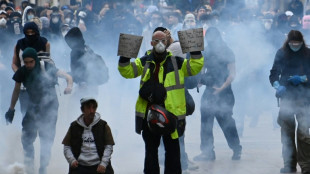 France's Macron to visit Marseille after protest violence

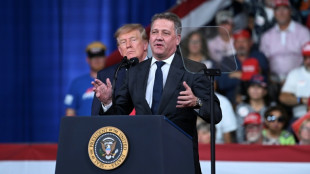 German union slams Audi boss's appearance at Trump rally
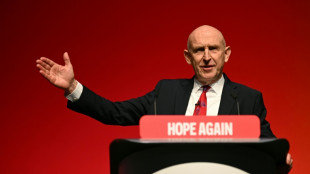 UK set for 'limited' budget giveaways as borrowing costs surge
 Anthropic's AI model accessed US voter data: Axios

 Malaysia's Johor reopens schools as haze eases

 Carragher says Fernandes benching was intended as public punishment

 Canada-EU summit seeks deepened alliance as US ties fray

 Senegal to host Youth Games, Africa's first ever Olympics

 ITV drama Adultery examines temptation, class and family consequences

 New levy on non-EU parcels kicks in November 1

 Saudi coalition says struck Houthi missile facilities after Riyadh airport attack

 Manchester United stand-in captain calls for change after Bournemouth loss
 Body recovered after ferry passenger reported overboard

 Dance in the Dark brings an immersive family adventure to Birmingham MAC

 China's Communist Party elite hold key talks on governance

 Redditch Santa fun run to return to Arrow Valley Park

 Obama links Trump trade policy to higher costs in Detroit speech
 Saudi coalition says intercepted missile after Houthis hit Riyadh airport

Cuba on Wednesday moved to open several key crisis-ravaged sectors of its state-run economy to private firms, as the communist government tries to ease acute shortages resulting from a US energy blockade.
In a lengthy decree, the authorities lifted restrictions on a swath of sectors including petrol distribution, electricity generation, rubbish collection and the manufacture and sale of medicines.
For months, daily life in Cuba has been upended by rolling blackouts, water cuts and shortages of necessities like food and medicine.
The reforms -- decreed on July 22 but detailed Wednesday by state media -- seemed to target sectors linked to the most affected parts of daily life.
With piles of rubbish lining the streets of Old Havana, private firms will be able to operate waste collection and recycling services.
And with few buses or cars on the roads due to petrol shortages, private firms will also be able to import and construct electric vehicles.
Oil and mining operations will also be liberalized.
Details of reforms emerged as Cuba's National Assembly met, with delegates denouncing imperialism and chanting "socialism or death!"
Despite the rhetoric, the decree represents a loosening of decades-old communist doctrine as the party tries to withstand its biggest crisis since the death of longtime leader Fidel Castro and the collapse of the Soviet Union.
Cubans who once feared government reprisals now criticize the country's leaders and have taken to banging pots and pans in regular nighttime protests.
The new regulations "considerably broaden the scope for entrepreneurs and private companies on the island," state controlled media reported.
The government, however, stressed its tight control over sectors key to retaining power: education, telecommunications, media and defense.
Tobacco sales will also remain under government control.
The United States has effectively blockaded fuel imports to the island for almost six months, leading to an acute shortage of fuel for transport and electricity generation.
The US took control of Venezuela energy assets in late January, effectively cutting off Cuba's main source of supply.
Washington threatened sanctions against other countries that exported oil to Cuba.
There have been at least five nationwide blackouts this year and countless localized cuts.
Most parts of the capital have electricity for only a few hours each day.
Cuba's state electricity provider said it would be able to generate only about 27 percent of expected peak demand on Wednesday, leaving the grid facing a 2,380-megawatt shortfall.
A.Kunz--VB