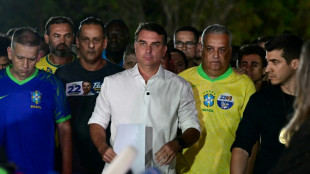
The challenges facing UK's next PM Andy Burnham / Photo: © POOL/AFP

 Israel opposition holds narrow edge over Netanyahu in first projections

 Floriani hits maiden goal as Lazio go top
 Trump set to drastically loosen oil and gas sector's methane rules
 Storied Paris department store seeks bankruptcy protection
 Xhaka, Embolo can return to Swiss squad after fake Covid docs affair
 Allegri suspended for two Serie A games after red card
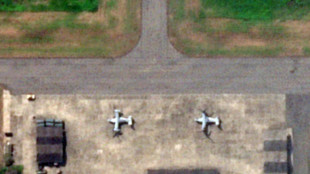 Flight data, satellite images reveal growing US role at Ecuador base
 McInnes feels 'guilt' ahead of Hearts return with Rangers

 Brazil's Lula turns 81, vows to work '24 hours a day'
 Boeing releases cautious growth plan as shares fall sharply
 Exiled Russian dissident Navalnaya warns dictators becoming 'more cunning'
 Bayern 'risk' reaps huge reward for Ballon d'Or winner Kane
 Record turnout as Israeli voters deliver verdict on Netanyahu
 Iraola says Isak 'feels the trust' after Liverpool scoring streak

 French media protest manhandling of journalists at far-right party rally
 EU seeks deportation powers for beefed up border agency
 Two charged with UK security offences over airbase plot: police
 Maresca defends Donnarumma, Guehi after Man City defeat
 Nordic leaders call Putin as local truce begins in Ukraine

 Osaka unveils crane outfit in Tokyo before win over Paolini

 Ronaldo in line for Portugal return after fallout with coach
 Norway media take legal action to block Meta from using content
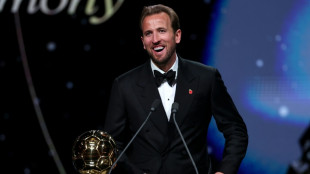 Bayern praise 'humble' Kane after Ballon d'Or win
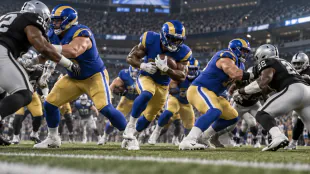
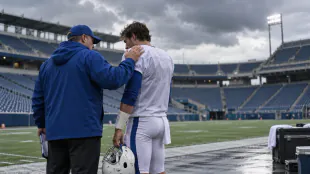 Colts retain Daniel Jones as starter despite continued offensive struggles

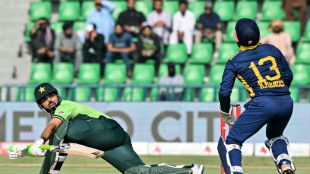 Madushanka wrecks Pakistan as Sri Lanka press for final slot
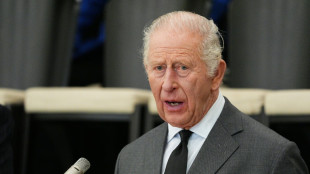
Andy Burnham, who is set to become Britain's prime minister Monday, will face a roster of challenges when he steps into the office as the UK's seventh leader in a decade.
The former Greater Manchester mayor was on Friday overwhelmingly backed as leader of the Labour party after Keir Starmer resigned last month.
Experts say Burnham will now need to address a host issues that have felled his predecessors in quick succession.
- Cost-of-living -
The priority will be boosting the economy and improving living standards for voters who have despaired over soaring energy and food prices since the start of the Russia-Ukraine war.
Burnham will have little room for manoeuvre amid sluggish economic growth, high public debt and strict financial rules requiring him to balance government spending against tax revenue.
In a speech on Friday, Burnham said he wanted to "take us to a country where life is more affordable".
He has championed devolving power to regional hubs as a lever for growth.
"It's not just about driving local growth, it's about turning these places around so they drive national growth," explained Philip McCann from the research organisation Productivity Institute.
Burnham has said he will support smaller businesses, "reindustrialisation" and greater public control over water, transport and energy.
The Financial Times reported he could ease restrictions on oil and gas drilling in the North Sea to reduce energy bills.
His pick for finance minister, still unannounced, may well determine how left-wing or centrist his economic agenda is.
- Welfare bill -
Another headache will be tackling ballooning welfare costs, which Burnham has acknowledged need to be reduced.
Starmer faced backlash from the public and his party over reforms to the benefits system, including cutting winter fuel payments for the elderly.
He had to climbdown from the changes, contributing to his unpopularity.
Burnham, from the so-called soft left of Labour, will face pressure to resist slashing benefits.
He has also pledged to "fix" underfunded sectors like social care, which he attempted to overhaul as health secretary in 2009.
On Friday, Burnham, whose father has Alzheimer's, said he was "prepared to grasp the nettle" to make changes adding, "the system's broken".
- Defence -
Burnham will need to fill a £4.7-billion ($6.3-billion) gap over four years in the country's defence investment plan.
The long-delayed plan was published by Starmer last month, but the task of delivering it will fall on Burnham.
Burnham will likely also face pressure internally and from allies including the United States to further ramp up defence spending, and meet the NATO target of spending 3.5 percent of GDP by 2035.
He previously said he would take "responsibility" to fund the defence plan and make "no compromise" on defence.
- Labour's popularity -
A key task will be stemming the runaway popularity of Nigel Farage's hard-right, anti-immigration party Reform UK.
Labour has been bleeding supporters to the left-wing Greens and Reform, which made big gains in local elections earlier this year, piling pressure on Starmer to give way to a politician who could counter Reform's success.
In his speech Friday, Burnham vowed to build a new political direction "that is distinctly Labour", independent of the two fringe parties.
"We win by being us," he said.
"We won't try to out-Green the Greens, or out-Reform Reform, or doing what we've done in the past of wearing too many Tory clothes."
Tony Travers, a professor at the London School of Economics, said it could mark a different approach.
"What this signals is that the Labour Party under Burnham will want to try to win back voters from Reform and the Greens with a different offer," Travers told AFP.
- Foreign policy -
"In terms of international affairs, the big issue is dealing with Donald Trump," said Travers, noting Starmer had a relatively amicable relationship with the US president up until the US-Iran war.
Beyond finding his footing with the unpredictable American leader, who described Burnham as "extremely liberal", he will need to contend with wars raging in Russia-Ukraine and the Middle East.
Burnham has signalled he will not stray far from Starmer's generally well-regarded foreign policy, maintaining close ties to NATO and other allies.
"Our relationship with the US will remain critical as our most important defence and security ally. And Britain's support for Ukraine will not waver," Burnham wrote in The Times this month.
L.Meier--VB