Five things to know about the planned Iran-US talks in Islamabad / Photo: © AFP

 Israel strikes south Lebanon after warning to several areas
 Chwalinska bidding to take final step at French Open against Andreeva
 Irish slump drags eurozone economy into red in first quarter
 England's Robinson takes five wickets as New Zealand all out for 113
 Spanish PM denies links to plot to disrupt probes into allies
 Tuvalu says fossil fuel holdings revealed by AFP 'not a good look'

 France's data centre ambitions bump up against rural fears

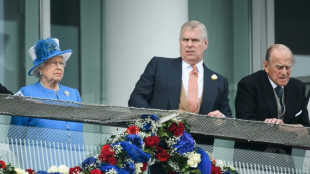 Disgraced ex-prince Andrew sublet royal cottages, UK auditors reveal
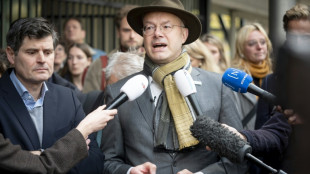 Pro-apartheid past of former boss roils Dutch climate group
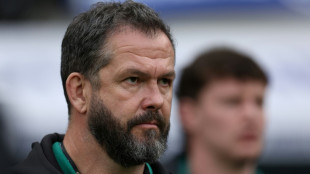 Ireland head coach Farrell extends contract until 2031
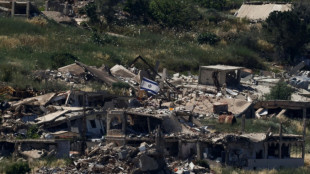
 Hurricanes hammer hapless Brumbies to make Super Rugby semi-finals
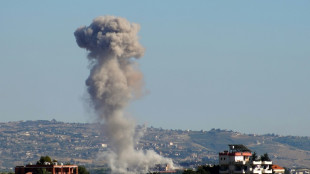
 Sicily braces for post-wedding blowout of Dua Lipa, Callum Turner
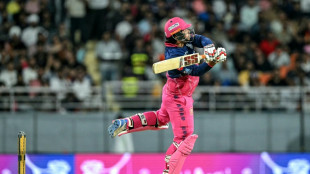
 Japan change World Cup training sites in Mexico over conditions
 Crypto scammers prey on French victims from Albania
 China's Xi to visit North Korea next week

 Irish racing great O'Brien bids to make Epsom Derby history
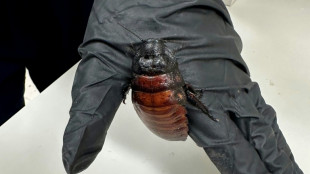 Australia seizes 100,000 cockroaches in bug-breeder bust

 Asian stocks take another hit from AI, Mideast worries

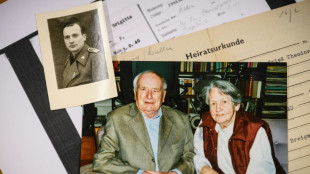 Nazi party records released online shatter German family myths
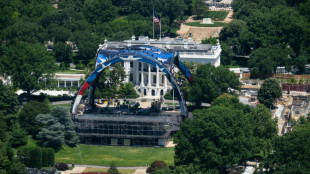
 US allying itself with Colombian 'narco-traffickers,' Petro accuses
 Putin to confront weak economy at 'Russian Davos', under threat of Ukrainian drones
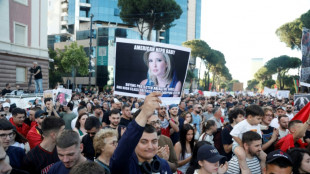 Thousands protest in Albania against Kushner real estate project
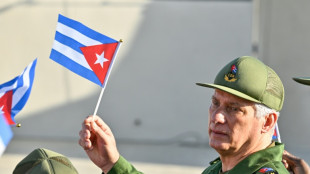 US imposes sanctions on Cuban president, Castro family members

 Trump confirms mass rally, scrapping US 250th concerts

 Wemby counts on 'normal' Spurs to bounce back in NBA Finals

Pakistan is due to host talks between Iran and the United States in a bid to turn a fragile two-week ceasefire into a lasting end to a war that has roiled global energy markets.
Here are five things to know about the Islamabad talks:
- The war behind the talks -
On February 28, the US and Israel launched deadly coordinated strikes that killed supreme leader Ali Khamenei and struck Iran's military and nuclear infrastructure. More than 3,000 people were killed in Iran in five weeks, according to Iranian media and US-based Human Rights Activists News Agency (HRANA).
Tehran responded by effectively closing the Strait of Hormuz, through which about a fifth of global oil and gas passes, sending energy prices soaring and disrupting trade worldwide.
On April 8, the US and Iran agreed to a two-week ceasefire brokered by Pakistan. The ceasefire is expected to expire April 22.
- Pakistan's unlikely starring role -
Pakistan's value as a mediator rests on an unusually broad diplomatic network.
Iran was the first country to recognise Pakistan following independence in 1947, with the two neighbours sharing a 900-kilometre (560-mile) border and deep historical, cultural and religious ties. Pakistan is also home to over 20 million Shia Muslims: the second-largest such population in the world after Iran.
Islamabad has cultivated strong ties with Washington, Riyadh and Beijing.
Pakistani Foreign Minister Ishaq Dar visited Beijing at the end of March for talks with Wang Yi, who backed Islamabad's mediation efforts as "in keeping with the common interests of all parties".
Trump himself told AFP that China helped bring Iran to the negotiating table, an account backed by Pakistani officials.
"On ceasefire night, hopes were fading, but China stepped in and convinced Iran to agree to a preliminary ceasefire," a senior Pakistani official familiar with the negotiations told AFP on condition of anonymity.
- What's on the table? -
The gap between the two sides remains vast.
Washington's reported 15-point proposal centres on Iran's enriched uranium and the reopening of the Strait of Hormuz. Tehran has countered with a 10-point plan demanding control over the strait, a toll for vessels crossing the strait, an end to all regional military operations and the lifting of all sanctions.
Lebanon is also a major sticking point. Israel continued its strikes in the country targeting Hezbollah -- after the ceasefire came into force -- with Israeli Prime Minister Benjamin Netanyahu rejecting Prime Minister Shehbaz Sharif's assertion that the truce included Lebanon.
US Vice President JD Vance appeared to take a softer tone, saying there may have been a "legitimate misunderstanding" from Iran that Lebanon would be included.
Iranian sources have also told Iranian media that Tehran won't attend the talks unless a ceasefire is in place in Lebanon
Iran's President Masoud Pezeshkian warned on X that Israel's strikes on Lebanon rendered the negotiations "meaningless".
Iran has also long refused to concede to Washington's demands on its nuclear programme.
- Who are the negotiators? -
Vance will lead the American team, joined by special envoy Steve Witkoff and presidential son-in-law Jared Kushner.
It marks the most senior US engagement with Iran since Secretary of State John Kerry negotiated the 2015 nuclear deal. Witkoff held multiple rounds of Oman-mediated talks with Iranian Foreign Minister Abbas Araghchi before the war cut the process short.
Iran has not officially announced the composition of its delegation.
- Islamabad on lockdown -
The talks are being held in the Pakistani capital, Islamabad.
The government has kept its cards close to its chest without confirming the venue, but the Serena Hotel -- located next to the foreign ministry in the capital's high-security Red Zone -- asked its guests to clear out on Wednesday.
The same day authorities in the capital announced a two-day public holiday on Thursday and Friday.
The talks themselves are expected to be indirect: the two delegations sitting in separate rooms with Pakistani officials shuttling proposals between them, mirroring the format used in earlier Oman-mediated rounds.
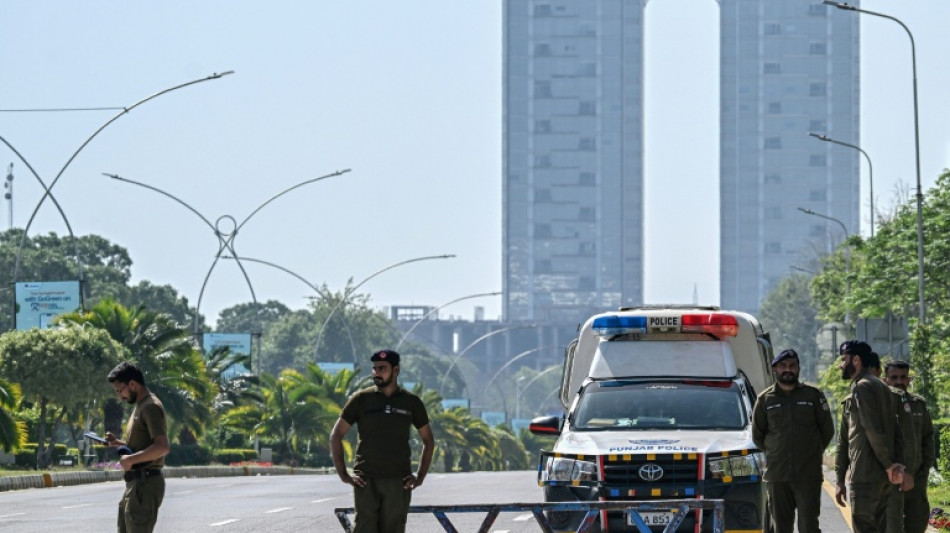
Outside, the streets of Islamabad are flooded with armed security personnel in military fatigues, traffic diversions and police checkpoints. The capital, already a quiet city, was even quieter on Friday.
F.Fehr--VB