
-
 Oil falls further on Mideast deal, but Fed outlook knocks equities
-
Mexico, Korea eye World Cup knockout berths
-
 Range raises $8.3M Series A to unify treasury, risk and compliance across stablecoins and fiat
-
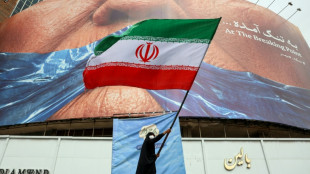
IAEA ready to help define 'concrete steps' to implement US-Iran deal
-
 Ibrahima Konate signs four-year deal with Real Madrid
-
Hegseth tells NATO US will review force presence in Europe
-
 Innovations on show at Paris Vivatech fest
-
Ukraine sets Moscow refinery ablaze in biggest attack in years
-
 Bird flu kills 13,000 seal pups on remote Australian island
-
Oil prices sink further as Trump signs deal to reopen Hormuz
-
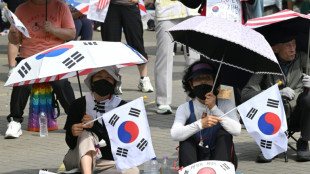 South Korean lawmakers launch probe into ballot paper shortages
-
Starmer rival seeks win in UK poll pivotal to PM's fate
-
 Taiwan president says hopes for $14 bn US arms sale 'as soon as possible'
-
Why are Kenyan kids burning schools and killing their classmates?
-
 New wave of anti-LGBTQ laws sweeps Africa
-
Ukraine hopes renewables can Russia-proof power grid
-
 Jubilant New York on guard for Knicks parade
-
What we learned after the first round of World Cup games
-
 New Zealander Manu has 'no fear' of Toulouse before Top 14 semi
-
Drastic restrictions on public transport take effect in Cuba
-
 Pain-riddled South Korean man fights for right to die
-
Cuba approves economic reforms to boost private sector, investment: state TV
-
 India learns to live with hotter summers
-
'Retired' Wallaby Slipper, 37, set for shock international comeback
-
 EU wrestles over how to tackle China export flood
-
Tartan Army takes over Boston as Scotland fans relish World Cup return

-
 Comedian Jordan Klepper wishes satire was harder in age of Trump
-
Robots pour cocktails and run marathons, but still can't multitask
-
 Birthright citizenship helps spark US World Cup run
-
Ghana beat Panama 1-0 in World Cup opener after injury-time winner
-
 Castro gives crucial backing to Cuba reforms
-
Tuchel team talk transformed 'nervy' England in World Cup win

-
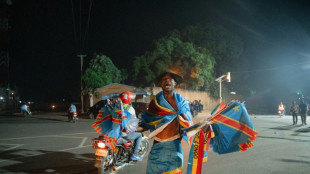 Historic World Cup goal brings rare joy to DR Congo Ebola epicentre
-
Korea coach slams 'unfortunate' drone incident at training
-
 Trump, Iran's president sign deal to end Mideast war
-
Kane double fires England World Cup bid as Ronaldo's Portugal stumble

-
 Casemiro, Ancelotti's lieutenant and symbol of Brazil troubles
-
Qantas to launch non-stop Sydney-London flights in October 2027
-
 Kane scores twice as England beat Croatia to launch World Cup charge
-
Danilo backs Brazil to get over World Cup 'fright'
-
 Iran to dilute its enriched uranium under accord with US to end Mideast war
-
South Africa's Broos hits out at 'trash' talk, targets World Cup redemption
-
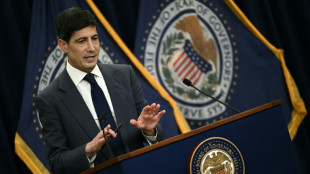 US Fed chair Warsh vows reforms as central bank signals rate hikes on horizon
-
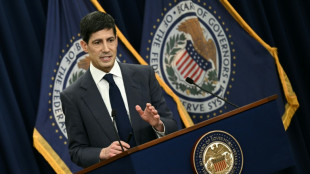
US stocks fall, dollar rallies as Fed raises inflation forecast
-
 No split loyalties for US star 'Jedi' Robinson
-
Czechs eye World Cup liftoff against South Africa

-
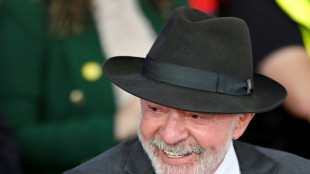 Lula jokes he is thinking of 'signing Messi' for Brazil
-
Borthwick plans to rest Itoje for England tour

-
 Prince Harry and family to visit UK in July: media
-
Barbarians pick Vakatawa for South Africa match

NYSE - LSE
'I'll never be the same': Iranians recount one month of war
After a month of war with Israel and the United States with no clear end in sight, Iranians tell AFP about how life has changed, about watching missiles fall, and how security forces have tightened their grip.
Here is a collection of interviews conducted with Iranians, mostly people in Tehran, who shared their experiences with AFP journalists outside the country. Their names have been changed to protect their identities.
Iran has been arresting and warning citizens about speaking to journalists or sending images outside the country amid an internet blackout and severe phone network restrictions.
- Economic pressures -
Iran was already suffering economically before the war, but the conflict has sparked even higher inflation and brought many industries to a standstill.
"My income comes from my online shop, but for the past two months I've had no income at all," Golnar from Tehran told AFP.
"In our family, everyone is working and we don't even pay rent, yet we still can't think about things like going to restaurants or any kind of leisure activities. We can only afford the most basic and essential living expenses," the 29-year-old said.
The island of Qeshm, where 42-year-old Sadeq is based, enjoyed a tourism boom in recent years, but saw few visitors over the usually busy Nowruz holidays marking the Iranian New Year in March.
"Our hotel and cafes are half empty. Many people have come here to stay longer, waiting to see what happens with the war," he said.
"We sometimes have to wait for hours to get fuel."
- Coping -
For Shayan in Tehran, there is some normalcy in the shadow of the war.
"There is no famine, everything is available. Cafes are open, and we still go out... There is gasoline, water, and electricity. But there is a sense of helplessness in all of us," the 40-year-old said.
"We gather with family and friends, play card games together, and drink. Shops and restaurants are open until 9:00 pm, but the city feels empty, most people have left."
Another Tehran resident originally from Iran's Kurdish region said she also feels she has grown "used to the situation".
"The noise, the explosions and the missiles are now a part of our daily life... I think little by little it's becoming more ordinary for everyone," said the 35-year-old.
"Right now, our only worry is that our oil and gas infrastructure might be targeted by missile attacks. I think that's the one thing all Iranians agree on at the moment."
- Fears for the future -
Katayoon recently left Iran for Turkey, after several "terrible" months since the protests in January that saw thousands killed in a crackdown.
Two nights before departing, the blastwave from an airstrike threw her from her bed.
But her decision to leave was more from "living in fear for at least a decade... from my scarf falling off my head in the street, to not being able to teach the opposite sex, or having basic liberties", the yoga teacher said.
There is fear of bombardments, but "there is no other recourse -- people don't have money to eat. Life has become impossible", she said.
Ensieh, a dentist in the capital, said every day she is "losing more hope".
"We're caught between three mad powers, and war is terrifying. I know I'll never be the same person again. War has torn a part of me away, and it's not coming back," the 46-year-old said.
A 34-year-old resident of Sanandaj in western Iran said the intensity of the attacks had decreased and that in recent days he "realised the Islamic republic will not be overthrown in the way we imagined".
- Crackdown -
Since the war started Iranians have reported heavy security in the streets, with limited anti-government demonstrations quickly quelled, while crowds of Islamic republic supporters regularly rally.
Out in Tehran, "you'll likely pass through multiple checkpoints in a single day... Cars are searched, phones are checked," including photos, hidden files, apps even personal notes, said 38-year-old artist Kaveh.
He said groups of armed security forces who have "taken control of the streets" drive through Tehran at night "honking and carrying flags".
At a gathering in Tehran, he said he and other people opposed to the Islamic republic were worried about Washington coming to a deal with the clerical authorities, in power since 1979.
"If an agreement is reached, we'll be doomed. At the very least, we should leave Iran for two or three years because they will turn on us," he said.
A.Kunz--VB