
-
 Wahi denied Canadian visa for Ivory Coast World Cup clash with Germany
-
Swiss central bank holds interest rates, with eye on currency risks
-
 S.African sentenced in 'world's largest' rhino trafficking case
-
Bank of England follows Fed in holding interest rate
-
 Bittersweet World Cup for Gaza's football fans
-
Trump defends Iran deal from critics he calls 'fools'
-
 New heatwave disrupts trains, schools in France
-
German chemical company to cut 3,200 jobs as crisis worsens

-
 Starmer's Labour rival eyes win in UK poll key to PM's fate
-
Oil falls further on Mideast deal, but Fed outlook knocks equities
-
 Mexico, Korea eye World Cup knockout berths
-
Range raises $8.3M Series A to unify treasury, risk and compliance across stablecoins and fiat
-
 IAEA ready to help define 'concrete steps' to implement US-Iran deal
-
Ibrahima Konate signs four-year deal with Real Madrid
-
 Hegseth tells NATO US will review force presence in Europe
-
Innovations on show at Paris Vivatech fest
-
 Ukraine sets Moscow refinery ablaze in biggest attack in years
-
Bird flu kills 13,000 seal pups on remote Australian island
-
 Oil prices sink further as Trump signs deal to reopen Hormuz
-
South Korean lawmakers launch probe into ballot paper shortages
-
 Starmer rival seeks win in UK poll pivotal to PM's fate
-
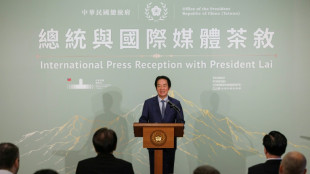
Taiwan president says hopes for $14 bn US arms sale 'as soon as possible'
-
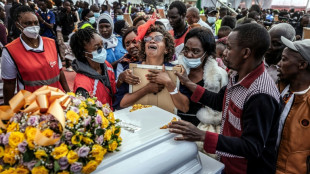 Why are Kenyan kids burning schools and killing their classmates?
-
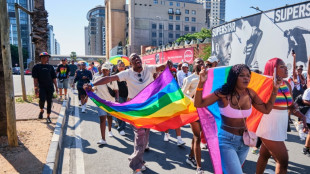
New wave of anti-LGBTQ laws sweeps Africa
-
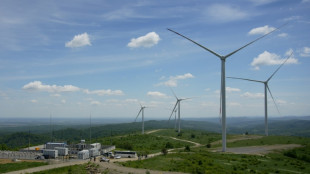 Ukraine hopes renewables can Russia-proof power grid
-
Jubilant New York on guard for Knicks parade

-
 What we learned after the first round of World Cup games
-
New Zealander Manu has 'no fear' of Toulouse before Top 14 semi

-
 Drastic restrictions on public transport take effect in Cuba
-
Pain-riddled South Korean man fights for right to die
-
 Cuba approves economic reforms to boost private sector, investment: state TV
-
India learns to live with hotter summers
-
 'Retired' Wallaby Slipper, 37, set for shock international comeback
-
EU wrestles over how to tackle China export flood
-
 Tartan Army takes over Boston as Scotland fans relish World Cup return
-
Comedian Jordan Klepper wishes satire was harder in age of Trump
-
 Robots pour cocktails and run marathons, but still can't multitask
-
Birthright citizenship helps spark US World Cup run
-
 Ghana beat Panama 1-0 in World Cup opener after injury-time winner
-
Castro gives crucial backing to Cuba reforms
-
 U.S. Polo Assn. Unveils Spring-Summer 2027 Collection at the 110th Edition of Pitti Immagine Uomo
-
Tuchel team talk transformed 'nervy' England in World Cup win

-
 Historic World Cup goal brings rare joy to DR Congo Ebola epicentre
-
Korea coach slams 'unfortunate' drone incident at training
-
 Trump, Iran's president sign deal to end Mideast war
-
Kane double fires England World Cup bid as Ronaldo's Portugal stumble
-
 Casemiro, Ancelotti's lieutenant and symbol of Brazil troubles
-
Qantas to launch non-stop Sydney-London flights in October 2027
-
 Kane scores twice as England beat Croatia to launch World Cup charge
-
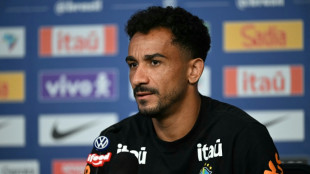
Danilo backs Brazil to get over World Cup 'fright'
NYSE - LSE
G7 meets in France hoping to heal transatlantic Iran rift
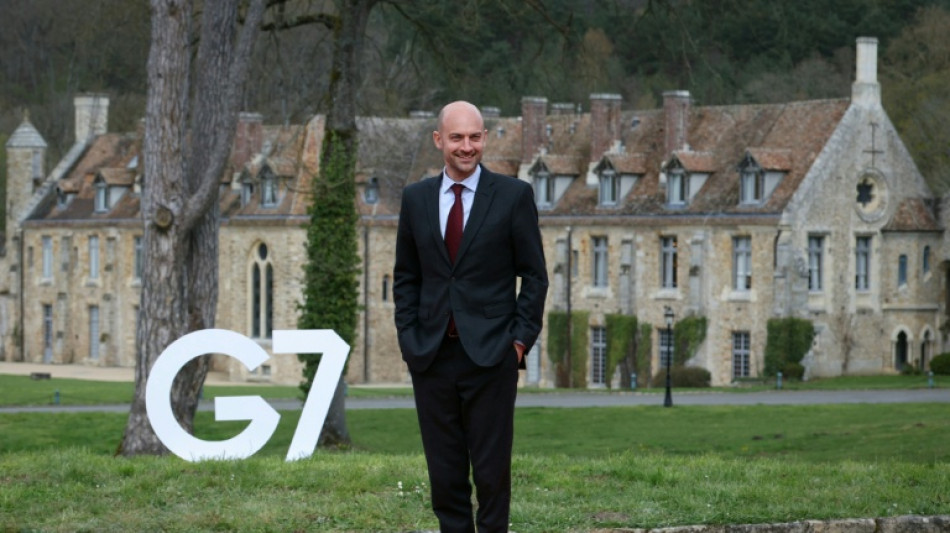
European and allied nations on Thursday looked for ways to narrow differences with the United States on the Middle East war as a two-day meeting of G7 foreign ministers got underway outside Paris.
While President Donald Trump says Washington is pursuing diplomacy with Iran while threatening even more intense military action, American allies are hoping that the United States will set out its position clearly.
The start of the two-day meeting of seven leading industrialised democracies at the Vaux-de-Cernay Abbey outside Paris on Thursday was marked by the absence of US Secretary of State Marco Rubio.
He will join fellow top diplomats from Canada, Germany, Italy, France, Japan and the United Kingdom -- but only on Friday.
In contrast to usual protocol, and in a sign of the distance between the United States and its allies, there is to be no joint communique at the end of the meeting.
Instead, the G7 presidency, which France holds this year, will issue a statement, a diplomatic source said, asking not to be named.
"I am quite confident that we can define a common position," said German Foreign Minister Johann Wadephul before entering the meeting.
"The goal is to end this conflict as quickly as possible, but also sustainably."
He added it was of "great importance" for Germany to know "precisely what our American partners are intending", adding it would be encouraging if the US was holding "direct" talks with Iran.
- 'Can't overlook' Ukraine -
While all G7 nations are close US allies, none have unambiguously offered support for the assault on Iran, angering Trump.
Trump's threat to hit Iranian energy facilities -- now toned down amid the purported talks -- has troubled European allies, who have all called for de-escalation and are not engaged militarily in the conflict.
EU foreign policy chief Kaja Kallas said there was a "need to exit from the war, not escalate it further".
She also warned that more than four years into Russia's full-scale invasion of Ukraine, "attacks of Russia on Ukrainian civilian infrastructure are increasing every day and we can't overlook this".
Kallas also accused Moscow of sharing intelligence with Tehran that was used to target Americans in the Middle East.
"These wars are very much interlinked," she said.
The meeting got underway after a morning of bilateral talks with a session on reforming global government.
Sessions on Iran and Ukraine are set for Friday, according to the schedule.
French Foreign Minister Jean-Noel Barrot is due to hold a news conference later Thursday evening.
France would also host a separate G7 meeting via video call on Monday bringing together finance ministers, energy ministers and central bank governors, Finance Minister Roland Lescure told RTL radio.
The G7 should collectively back efforts to de-escalate the war, Canada's Foreign Minister Anita Anand told AFP, pointing to "problems in the global provisioning chain" due to the almost total closure of the Strait of Hormuz trade bottleneck.
"We must continue to use diplomatic channels to be sure there is a common view not just for a de-escalation but to mitigate the economic shock," said Anand.
C.Bruderer--VB