Iranian protesters fled 'hell' at home, watch war from exile / Photo: © AFP

 S.Africa anti-migrant hate loses team African support at World Cup

 European robotics start-ups go up against Chinese heavyweights

 Japan's men told to clean at home, not just the World Cup

 South Korean leader says told Trump sanctions on North are 'ineffective'
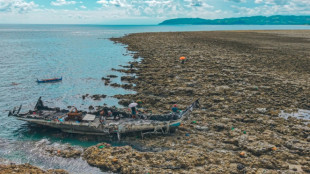
 Stocks rally falters, oil rises as US-Iran talks postponed

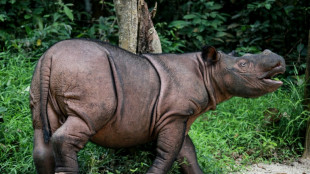 Indonesia to capture last-known wild Bornean rhino for IVF
 USA, Australia eye World Cup knockout rounds, Brazil in action
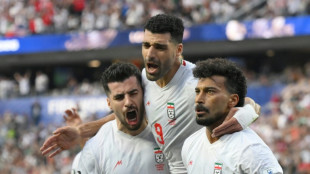 Iran to lodge complaint with FIFA over World Cup restrictions
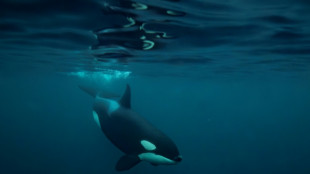 New Zealand minister defends fishers after two orcas killed in net

 Seoul record leads most Asian markets higher, crude extends losses

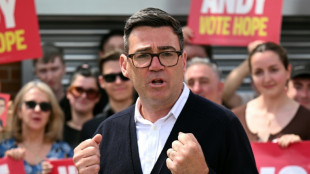 Burnham wins key UK poll, paving way for bid to challenge PM Starmer

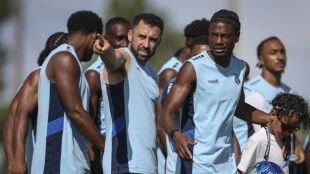 'Pico' Lopes -- Cape Verde defender's journey from Ireland to World Cup
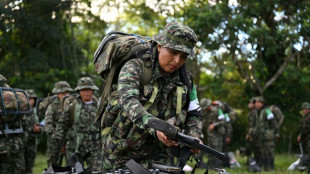
 'Pretty special': captains eye Super Rugby glory in clash of top seeds
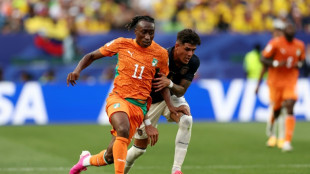 Ivory Coast's Diomande living World Cup dream, dealing with tragedy
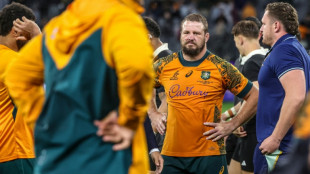
 Australia seek 'respect' from US amid World Cup 'layup' row
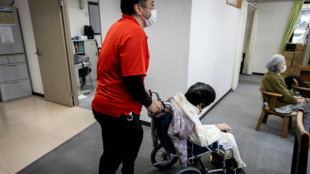 Japan doctor-turned-author moots amputations to ease care crunch

 Fossils challenge assumptions on how animals adapted to land
 Canada romp to first World Cup win, Switzerland thump Bosnia
 Venezuela govt, opposition hold US-backed talks on democratic transition
 Horror injury overshadows Canada's first World Cup win
 Swiss wunderkind Manzambi scores 'childhood dream' brace
 Good US Open shots not good enough for 2-over Scheffler
 Subs send Swiss to World Cup rout of Bosnia-Herzegovina

 McIlroy pleased with reduced green speeds in US Open winds
 US stocks resume upward climb as dollar advances again after Fed outlook
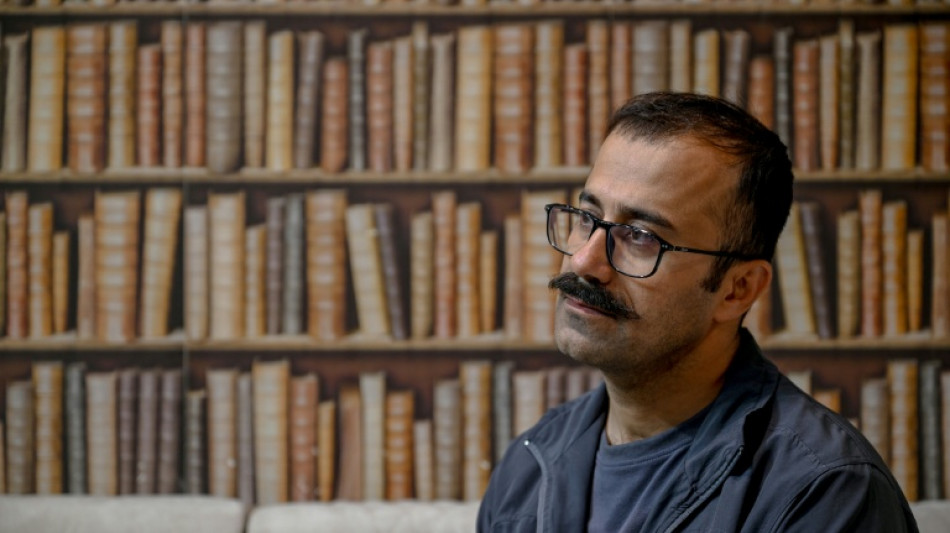
Iranian activist Farhad Sheikhi fights back tears as he recalls the crack of gunfire and his fellow protesters falling under a hail of bullets. Now, having fled to Iraq, he watches from afar as American and Israeli strikes pound his country.
"I literally saw hell," said the 34-year-old Iranian Kurd in Sulaimaniyah, Iraqi Kurdistan's second city, as he showed AFP photos he took during recent anti-government protests of bodies lying on the bloodied ground.
But his biggest worry today is for the safety of his family back home.
With the internet under a blackout in Iran, Sheikhi said he relies on a friend who only occasionally manages to get online.
"He calls my father and tells me how they are. That is the only way I get news of them," he said.
Returning to Iran is no longer an option, according to Sheikhi, whose only remaining dream is to travel to Germany to finish his studies in law.
As the war enters its third week, Sheikhi said people are now more cautious and struggling with worsening living conditions.
"They are also still mourning the heavy price they have already paid" during the recent protests, he said, referring to the government crackdown that rights groups say killed thousands.
He said he can't lose hope that "one day a social revolution will allow me to go back, but for now the risk is too great".
After the crackdown in January, Sheikhi fled to the autonomous Kurdistan region in Iraq, fearing arrest and torture back home, where the moustached, bespectacled man had been no stranger to anti-government protests.
In 2022, he joined the vast crowds that poured onto the streets to denounce the death in detention of young Mahsa Amini after she was arrested for wearing her hijab improperly.
Back then, he was jailed three times and subjected to torture that left him with hearing loss. Even so, he once again joined the anti-government protests in December and January.
"The crackdown on the people, the slaughter, it was massive. I saw it myself," he said.
- 'If I die'-
Aresto Pasbar was also taking part in the 2022 protests when shotgun pellets peppered his body, leaving him blind in his left eye.
"I have undergone five surgeries," Pasbar, 38, told AFP in Sulaimaniyah.
Fearing for his life, he fled Iran for Turkey. There, he was caught at sea while attempting to reach Europe illegally by boat, and a Munich-based human rights organisation helped him obtain asylum in Germany in 2023.
But Pasbar has followed events in Iran closely, his heart aching as he watched the recent crackdown on protests until he couldn't bear it any longer.
When the war broke out, he left Germany to join the ranks of Iranian Kurdish rebels in Iraqi Kurdistan who have increasingly been the target of cross-border strikes from Iran since the start of the conflict.
"In my heart, I couldn't remain in that comfort and simply watch my people be oppressed," he said in a steady, determined voice.
Now, he wears the coarse grey traditional Kurdish fatigues, fully aware, he said, that he may never see his wife and two daughters again.
Before he left, he recounted telling his family: "Even if I die, please stand for your rights. Stand for who you are".
- 'Revenge'-
In 2005, when Amina Kadri's husband, Ikbal, fled Iran to escape political persecution, his family hoped Iraqi Kurdistan would be a safe haven.
But 15 years later, Ikbal -- then 57 and a member of an exiled Iranian Kurdish armed group -- was killed near the Iraqi-Iranian border.
The assailants shot him, dumped his body in a river and escaped toward Iran on a motorcycle, Kadri quoted witnesses to the killing as saying. She accused Iran of being behind it.
Kadri's ordeal did not stop there -- 53 days later, her eldest son, who had remained in Iran, was executed at age 30 for murder. Kadri claims it was a set-up.
"I no longer care about what happens to me," Kadri said over the phone from a border town that Kurdistan's security forces barred AFP from entering, citing security reasons.
"My life is no more valuable than my son's or my husband's," she added.
Today, the 61-year-old homemaker only wishes to see the Islamic republic fall, so she can have "revenge for the blood of all those who have been executed".
W.Huber--VB