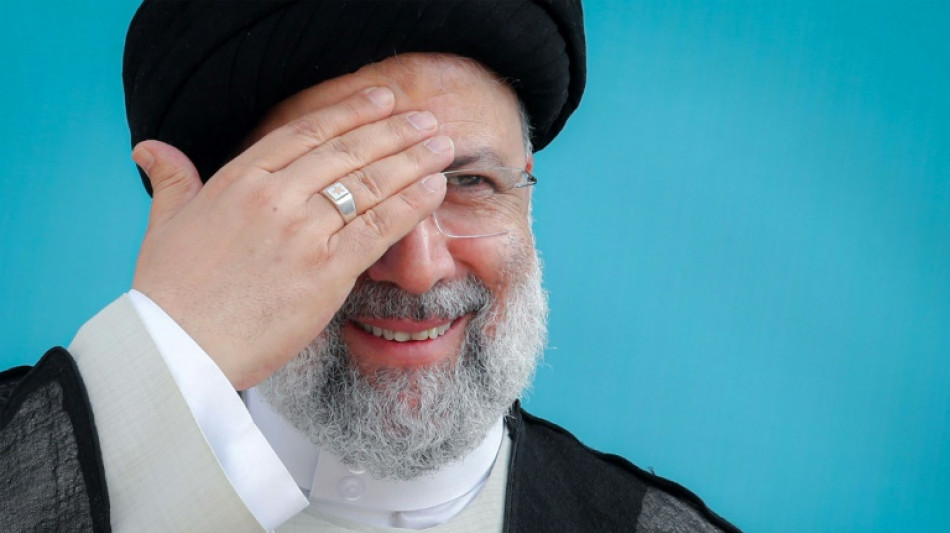
A year on, Iran's Raisi faces economy in trouble / Photo: © Iranian Presidency/AFP/File

 Mount injury overshadows Man Utd draw with Paris Saint-Germain
 Ukraine denies targeting Bulgaria as drone explodes near pipeline
 Vollering grabs Tour de France lead in Nice

 Euros to showcase new TV guidelines on non-sexualisation of women athletes
 'Calm' Kiss savours first win as Wallabies boss
 Duplantis bids for fourth European title as stars align in Birmingham
 Ukraine warns of tough winter as Russia strikes kill 4 in Kyiv region
 Recovering Marchand to skip medleys at European swim champs
 MotoGP leader Martin speeds to British Grand Prix pole

 Drone enters Bulgaria, explodes near pipeline at Romanian border: Bulgarian PM
 Arsenal sign Brazil midfielder Guimaraes from Newcastle
 Atletico will not sell Alvarez, says Simeone

 Ford Fathom turns affordable electric pickup into reality

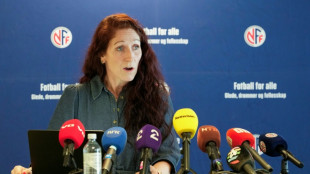 Lise Klaveness, the Norwegian thorn in Infantino's side

 Europe’s electric car boom exposes a widening market divide

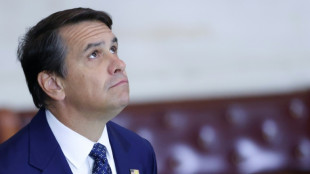 US Senate confirms Trump's ex lawyer as attorney general
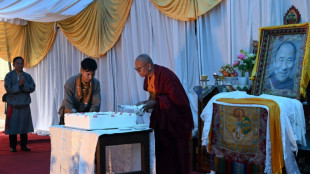 Tibet conference in Nepal pushed online
 Nocturnal 'coffee frog' discovered in Costa Rica
 India's 'cockroach' protest movement keeps heat on Modi
 Russia's only anti-war party eyes support boost at elections
 Canada tries to adapt to a future of wildfires
 Death of NBA forward Clarke ruled accident due to heroin, cocaine
 Abelardo de la Espriella, Colombian president and flamboyant millionaire
 Maradona's 'Hand of God' ball heads to US auction
 Rybakina advances while Andreeva exits at Toronto
A year after Iran's President Ebrahim Raisi took power, his government has curbed the Covid pandemic but faces a sharp downturn of the sanctions-hit economy as nuclear talks remain stalled.
Having pledged to help especially the poor, the ultraconservative cleric now faces runaway consumer prices that have sparked protests.
Raisi was elected in June last year in a ballot for which less than half of voters turned up, after his major rivals had been disqualified by electoral bodies.
He was inaugurated on August 3 by the supreme leader, Ali Khamenei, and sworn in two days later as head of government in the Islamic republic.
When he formed his cabinet, Raisi named his two top priorities: controlling the region's worst Covid outbreak, and turning around the battered economy.
Iran's vaccination campaign, long hampered by US sanctions, was massively stepped up using Chinese and Russian drugs.
For Hamidreza Taraqi, a top official in the Islamic Coalition Party, part of the conservative alliance backing the Raisi, the government has "succeeded in curbing the coronavirus and in eliminating its effects".
The UN World Health Organization says more than 58 million Iranians, or some 70 percent of the population, have now been fully vaccinated.
"Raisi's government did oversee widespread coronavirus vaccinations after the state reversed course and approved foreign vaccine imports," said Henry Rome of the US-based consultancy Eurasia Group.
But on the economic front, Raisi's record is more mixed as Iran remains hit by biting sanctions that keep it isolated from global financial systems.
- Nuclear talks -
Iran had hoped for greater prosperity after its 2015 landmark nuclear deal with major powers gave it sanctions relief in exchange for curbs on its atomic programme.
But former US president Donald Trump in 2018 unilaterally withdrew Washington from the agreement and reimposed a punishing sanctions regime.
The economic pain has deepened popular distrust in Iran toward the government, both under the previous president, the moderate Hassan Rouhani, and under Raisi.
The darker mood, say analysts, was reflected in the record abstention rate at last year's election, which came after the repression of protest movements, especially from December 2017 and again in November 2019.
Iran had returned to economic growth under Rouhani after the 2018-2019 recession.
But, hit by Trump's sanctions which dramatically curbed crucial oil exports, Iran's GDP per capita is now not expected to recover to its pre-crisis level until next year, according to the International Monetary Fund.
- 'Social turmoil' -
In April 2021, with President Joe Biden in the White House, talks on rescuing the nuclear accord began in Vienna.
The negotiations resumed in November 2021 after a pause around Iran's presidential polls but have yet to produce a breakthrough, while the Raisi government faces a budget deficit that economists consider abysmal.
Inflation, which has been eroding household purchasing power for years, in June reached 54 percent from a year earlier, according to the latest official data.
And the rial currency, which had recovered somewhat early this year on hopes of a deal in the nuclear talks, has since resumed its rapid descent, and reached a new low in June against the dollar.
Then in May, the government started to lift state subsidies on flour and to raise prices on food staples such as oil and dairy products -- measures that especially penalised the poor whom Raisi had championed.
"The country's economic horizon is far from clear... and economists predict we will face more rising prices," Mehdi Rahmanian, editor of the reformist newspaper Shargh, told AFP.
The rising cost of living has driven protests in several Iranian cities in recent months.
Much now depends on how the nuclear talks go, said Rome.
"If the nuclear negotiations collapse, as appears likely," he said, "Iran will likely face more significant economic and social turmoil."
O.Bulka--BTB