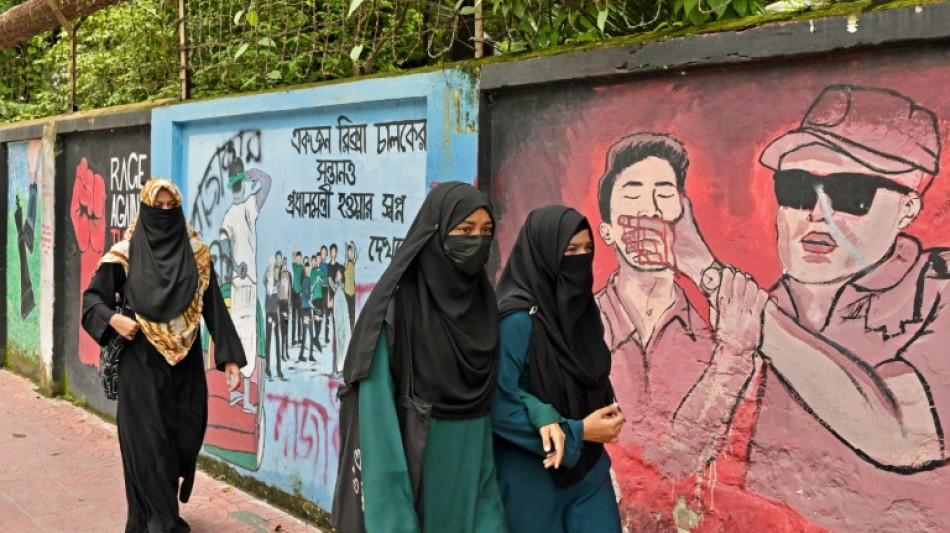
Pushed to margins, women vanish from Bangladesh's political arena / Photo: © AFP/File

 Defeated Colombian leftist calls for calm after post-vote violence

 Messi sets World Cup scoring record as Argentina down Austria

 French TV presenter stood down over Doku World Cup comments

 Messi sets World Cup scoring record with 17th goal

 Colombian leftist candidate calls for calm after post-vote violence
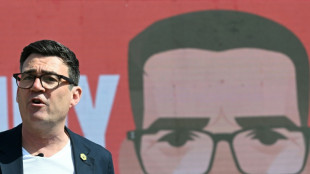
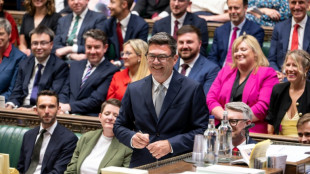 Britons cautiously optimistic after PM's resignation
 Draper makes winning return at Eastbourne with Murray on his side
 Argentina fans defiant, 40 years on from Maradona's 'Hand of God'
 Wikipedia won't let AI edit articles, cofounder says

 Uncapped Coles named in England's T20 squad to face India

 Andy Burnham: 'King of the North' eyes Downing Street throne
 Dangerous 'heat stress' has surged worldwide, study shows

 Interstellar comet likely far older than Solar System: astronomers
 Man Utd secure land for proposed new 100,000-capacity stadium
 US suspends Iran oil sanctions, says nuclear inspectors to return
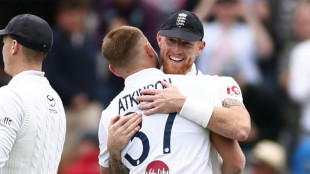 Stokes and Atkinson cleared by Cricket Regulator after nightclub incident
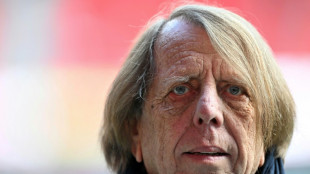 Veteran Le Roy named new coach of Congo

 Germany's Schlotterbeck out of World Cup with ankle injury
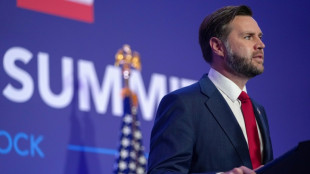
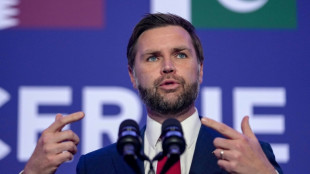
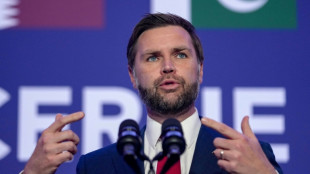 Vance hails 'good foundation' for Iran deal after direct talks
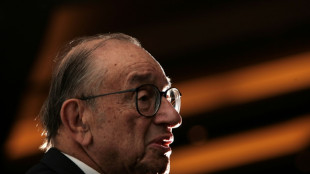
 Leinster boss Cullen to step down at end of next season

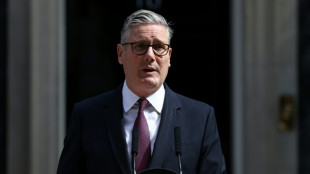
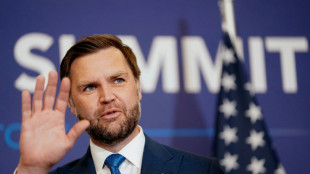 Oil falls on US-Iran progress; pound holds up as Starmer resigns
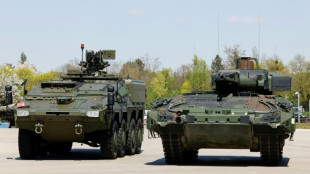 France, Germany reach deal on arms maker KNDS, paving way for IPO
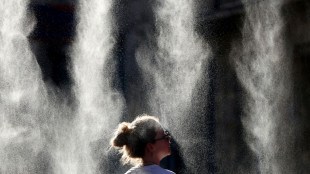
 France set for hottest day yet of heatwave
 Gaza's surfers seek solace in the sea

 EasyJet rejects £5 bn takeover offer from US equity firm
For more than three decades, Bangladesh was one of the few countries in the world to be led by women, yet there are almost none on the February 12 ballots.
Despite helping to spearhead the uprising that led to this vote, women are poised to be largely excluded from the South Asian country's political arena.
Regardless of which parties win next week, the outcome will see Bangladesh governed almost exclusively by men.
"I used to be proud that even though my country is not the most liberal, we still had two women figureheads at the top," first-time voter Ariana Rahman, 20. told AFP.
"Whoever won, the prime minister would be a woman."
Women make up less than four percent of the candidates for this election: just 76 among the 1,981 contestants vying for 300 parliamentary seats.
And most of the parties put only men on their tickets.
Women's political representation has always been limited in the conservative South Asian nation. Since independence, the highest number elected was 22 in 2018.
But from 1991 until the 2024 revolution, Bangladesh was helmed, represented abroad and politically defined by two women: Sheikh Hasina and Khaleda Zia.
Zia died in December after leading the Bangladesh Nationalist Party (BNP) for four decades and serving three terms as premier.
Hasina, the five-time prime minister overthrown in the July 2024 uprising, is hiding in India and sentenced to death in absentia for crimes against humanity.
- 'Censored, vilified, judged' -
Many rights campaigners had hoped the revolution that ended Hasina's autocratic rule would usher in a period of greater equality, including for women.
While the caretaker government of Nobel Peace Prize winner Muhammad Yunus set up a Women's Affairs Reform Commission, his interim administration has also been criticised for sidelining the body and making unilateral decisions without consulting women officials.
And there has been a surge of open support for Islamist groups, which want to limit women's participation in public life.
After years of being suppressed, emboldened hardliners have demanded organisers of religious commemorations and other public events remove women from the line-up, as well as calling for restrictions on activities like women's football matches.
"Historically, women's participation has always been low in our country, but there was an expectation for change after the uprising, which never happened," said Mahrukh Mohiuddin, the spokesperson for women's political rights organisation Narir Rajnoitik Odhikar Forum (Women's Political Rights Forum).
An entrenched patriarchal mindset means women are often relegated to household duties, she added.
Those who dare to speak out often face hostility.
"Women are censored, vilified... judged for simply being part of a political party," said uprising leader Umama Fatema. "That is the reality."
Even the group formed by student leaders of the revolution, the National Citizen Party (NCP), is fielding just two women among its 30 candidates.
"I don't take part in any decision‑making of my party, (and) the biggest and most important decisions are not taken in our presence," said NCP member Samantha Sharmeen.
The NCP has allied with Jamaat-e-Islami, the largest Islamist party and one of 30 parties to have failed to nominate a single woman.
- 'Can't be any women leaders' -
Jamaat's assistant secretary general, Ahsanul Mahboob Zubair, said society was not yet "ready and safe" for women in politics.
Nurunnesa Siddiqa of its women's wing added: "In an Islamic organisation, there can't be any women leaders, we have accepted that."
One of the few women running in this election, Manisha Chakraborty, said women's participation in Bangladesh's politics has long been limited to tokenisation.
The nation of 170 million people directly elects 300 lawmakers to its parliament, while another 50 are selected on a separate women's list.
"The concept of reserved seats is insulting," said Chakraborty, whose Bangladesh Socialist Party has nominated 10 women among it 29 candidates -- the highest share in this poll.
"Lobbying, internal preference, nepotism -- all play a role in making women's participation in parliament just a formality," she told AFP.
Former minister Abdul Moyeen Khan said the reserved seats "were meant to help women establish a foothold", but "the opposite happened".
Selima Rahman, the only woman on the BNP's standing committee, said promising women leaders often "fade away" due to a lack of party support.
And while Zia and Hasina served important symbolic roles, she pointed to how both had been elevated to the pinnacle of power through family connections.
Student voter Ariana Rahman fears a long struggle lies ahead.
"More women in this election would have made me feel better represented," she said. "The next few years are likely to be more hostile towards women."
H.Gerber--VB