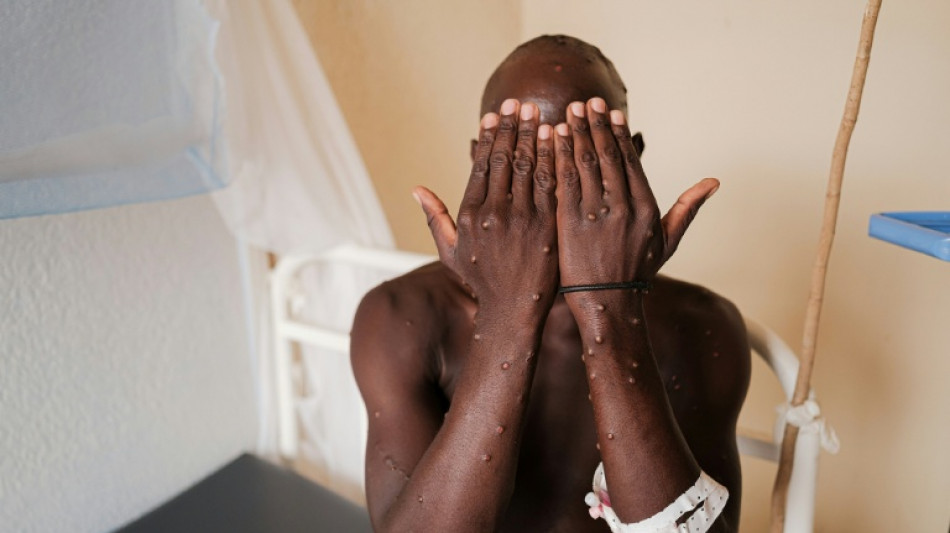
WHO wants $1 bn for world's worst health crises in 2026 / Photo: © AFP

 Israel's 'deliberate targeting' of children part of ongoing Gaza 'genocide': UN probe

 Seoul's Kospi stock index tanks 10% to lead tech-fuelled Asia rout
 Iran says to oversee Hormuz as Swiss talks conclude

 Guns, drones and doves: War reshapes Ukrainian jewellery scene
 Kenya police violence victims say compensation promise a 'smokescreen'
 EU bets on digital euro to cut US tech addiction

 Fineanganofo rethinks Newcastle move after All Blacks call-up

 Stocks fluctuate after Wall St sell-off, crude holds losses on peace talks
 Ultra-reclusive Turkmenistan slowly opens up to tourists

 Marc Bloch, historian and Resistance hero, joins France's Pantheon greats
 Ronaldo 'a role model' says Portugal coach after slow World Cup start

 North Korea's Kim vows to accelerate military buildup

 Latin America's resurgent right notches another win in Colombia

 Trump threatens prison for damage to Washington Reflecting Pool
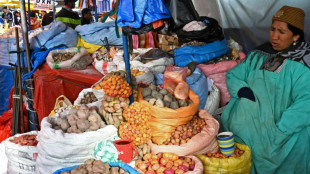 Shortages ease in Bolivia as protest roadblocks dismantled

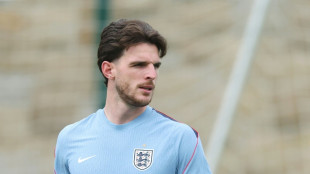 England 'can beat any opponent' at World Cup, says Rice

 Alvarez says 'best for everyone' if he leaves Atletico
 Romanian parliament rejects liberal PM-designate
 Maduro ouster put Venezuela on 'the right path': interim leader
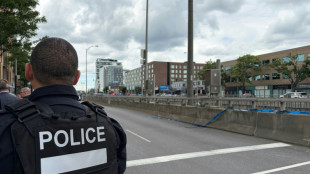 Shooting in Montreal, Canada leaves three dead including suspect
 Balogun chases 'inevitable' Messi in wild Golden Boot race
 Belgium's Doku becomes father after World Cup controversy

 Magic Messi makes World Cup history to send Argentina into last 32
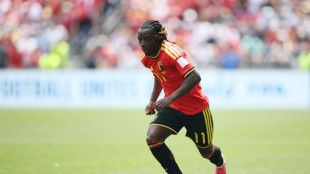
 Ghana coach Queiroz says playing England 'easiest' World Cup game

 Former Bayern stalwart Demichelis takes over at RB Leipzig
The World Health Organization on Tuesday appealed for $1 billion to tackle health crises this year across the world's 36 most severe emergencies, including in Gaza, Sudan, Haiti and Afghanistan.
Hit by deep cuts in foreign aid from wealthy countries, the WHO made its emergency request significantly lower than in recent years, saying it had to be realistic about how much money would arrive.
"We are deeply worried about the vast needs and how we will meet them," WHO health emergencies chief Chikwe Ihekweazu told reporters in Geneva.
"We are making some of the hardest choices we have to make."
The WHO estimated 239 million people would need urgent humanitarian assistance this year, and said the money would keep essential health services afloat.
"A quarter of a billion people are living through humanitarian crises that strip away the most basic protections: safety, shelter and access to health care," Ihekweazu said.
"In these settings, health needs are surging, whether due to injuries, disease outbreaks, malnutrition or untreated chronic diseases," he warned.
Washington, traditionally the UN health agency's biggest donor, has slashed foreign aid spending under President Donald Trump, who on his first day back in office in January 2025 handed the WHO his country's one-year withdrawal notice.
Last year, the WHO appealed for $1.5 billion, but Ihekweazu said only $900 million came through -- below 2016 levels.
"We've calibrated our ask a little bit more towards what is available realistically, understanding the situation around the world, the constraints that many countries have," he said.
Ihekweazu said the WHO was "hyper-prioritising" high-impact services, focusing on "where we can save the most lives".
He said the WHO was shifting footing towards enabling 1,500 local partners to do more of the frontline work on the ground.
- 'Severe' consequences warning -
The 2026 priority emergency responses also include the Democratic Republic of Congo, Myanmar, Somalia, South Sudan, Syria, Ukraine and Yemen, plus ongoing cholera and mpox outbreaks.
Ihekweazu said if the funding does not come through, it "absolutely" leaves the world more vulnerable to epidemics and pandemics.
"Imagining that these challenges will somehow disappear without global solidarity is wishful thinking," he said.
"The consequences might be not only severe for them but severe for the world."
Last year's top emergency donors were the European Union, Germany, Japan, Italy and Britain.
Ihekweazu said the immediate response to the appeal was "quite encouraging".
"There are many countries around the world we think can and should do more... countries that sometimes speak the loudest don't do the most," he said.
Last year, the WHO responded to 50 health emergencies in 82 countries, reaching more than 30 million people with essential services.
However, global funding cuts forced 6,700 health facilities across 22 humanitarian settings to either close or reduce services, "cutting 53 million people off from health care", Ihekweazu said.
"We are appealing to the better sense of countries, and of people, and asking them to invest in a healthier, safer world."
S.Spengler--VB