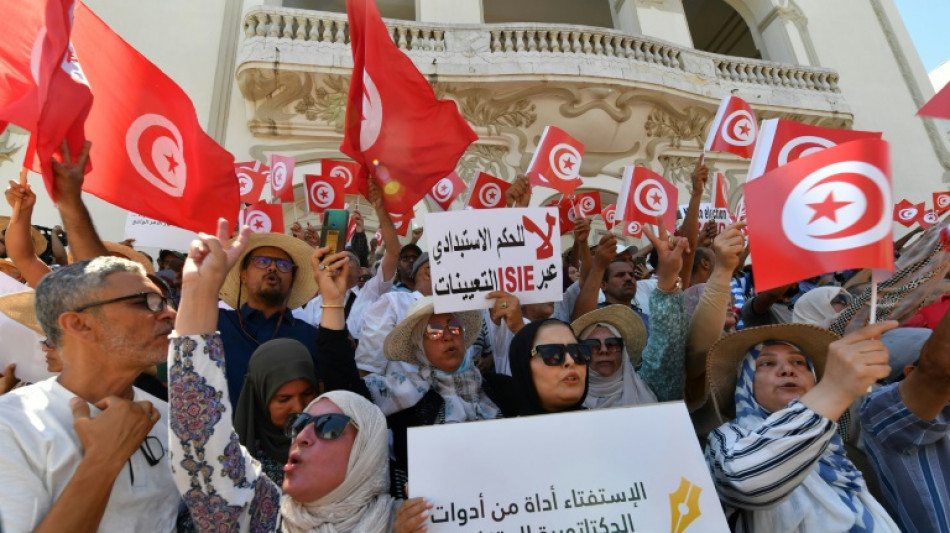
Tunisians vote on constitution set to bolster one-man rule / Photo: © AFP

 Darderi to face Nakashima in Montreal quarter-finals
 Espresso power fires Darderi past Borges in Montreal

 Shnaider upsets Pegula to book Toronto quarter-final with Swiatek
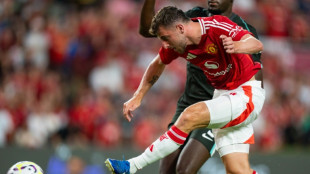 Mount injury overshadows Man Utd draw with Paris Saint-Germain
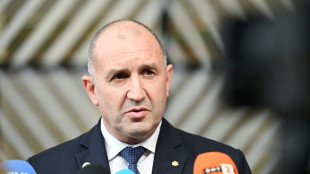 Ukraine denies targeting Bulgaria as drone explodes near pipeline
 Vollering grabs Tour de France lead in Nice

 Euros to showcase new TV guidelines on non-sexualisation of women athletes
 'Calm' Kiss savours first win as Wallabies boss
 Duplantis bids for fourth European title as stars align in Birmingham
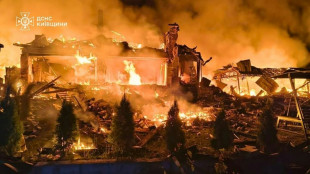
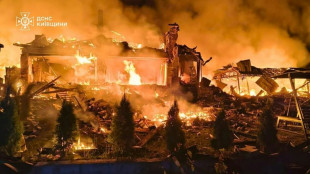
 Ukraine warns of tough winter as Russia strikes kill 4 in Kyiv region
 Recovering Marchand to skip medleys at European swim champs
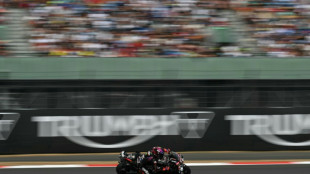 MotoGP leader Martin speeds to British Grand Prix pole

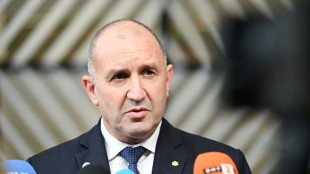 Drone enters Bulgaria, explodes near pipeline at Romanian border: Bulgarian PM
 Arsenal sign Brazil midfielder Guimaraes from Newcastle
 Atletico will not sell Alvarez, says Simeone

 Ford Fathom turns affordable electric pickup into reality

 Lise Klaveness, the Norwegian thorn in Infantino's side

 Europe’s electric car boom exposes a widening market divide

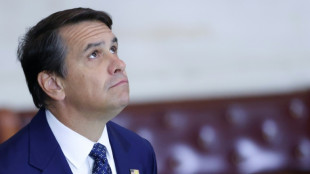 US Senate confirms Trump's ex lawyer as attorney general
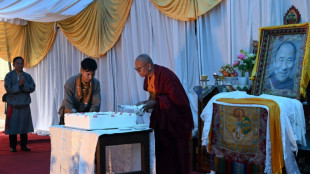 Tibet conference in Nepal pushed online
 Nocturnal 'coffee frog' discovered in Costa Rica
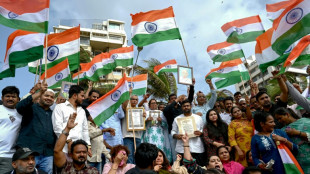 India's 'cockroach' protest movement keeps heat on Modi
 Russia's only anti-war party eyes support boost at elections
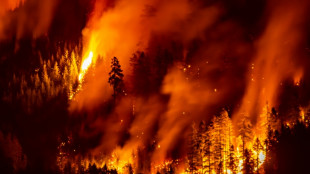 Canada tries to adapt to a future of wildfires
Tunisians vote Monday on a constitution seen as a referendum on President Kais Saied, whose charter would give his office nearly unchecked powers in a break with the country's post-2011 democratic trend.
Voting runs from 6:00 am (0500 GMT) to 10:00 pm at some 11,000 polling stations across the North African country.
Around 9.3 million out of Tunisia's 12 million people -- civilians aged over 18 -- have opted in or been automatically registered to vote, according to the ISIE electoral commission.
They include about 356,000 registered overseas, for whom polling began on Saturday.
The referendum comes a year to the day after Saied sacked the government and froze parliament in a dramatic power grab, as Tunisia grappled with surging coronavirus cases on top of political and economic crises.
Many Tunisians welcomed his moves against political parties and the often-deadlocked parliament, part of a system long praised as the only democracy to have emerged from the 2011 Arab uprisings.
But after a year of one-man rule in which he has vastly extended his powers and made little progress on tackling deep economic woes, Saied's personal popularity will be under the spotlight.
- All eyes on turnout -
"The biggest unknown in this referendum is the turnout and whether it will be low or very low," said analyst Youssef Cherif.
No quorum has been set, nor any provision made for a "no" result, and Saied's constitution for a "new republic" is widely expected to pass.
Saied's rivals, rights groups and international organisations have warned that he risks turning the country back into a dictatorship, over a decade after the toppling of dictator Zine El Abidine Ben Ali that sparked pro-democracy uprisings across the region.
Opposition parties and civil society groups have called for a boycott, while the powerful UGTT trades union has not taken an official stand on the vote.
Saied's charter would replace the country's 2014 constitution, a hard-won compromise between Islamist-leaning and secular forces reached after three years of political turmoil.
His supporters blame the hybrid parliamentary-presidential system it introduced, and the dominant Islamist-influenced Ennahdha party, for years of political crises and widespread corruption.
Saied's draft was published earlier this month with little reference to an earlier draft -- produced by a committee appointed by the president.
The new text would place the head of state in supreme command of the army, give him full executive control and allow him to appoint a government without the approval of parliament.
He could also present draft laws to parliament, which would be obliged to give them priority.
He would be almost impossible to remove from office before the end of his five-year term in 2024.
Sadeq Belaid, the legal expert who led the drafting committee, said Saied's version was "completely different" from that of the committee, and could install "a dictatorial regime".
Saied released a slightly amended document little more than two weeks before the vote, but even under the new draft, the president would be virtually impossible to force out of office.
- Revolutionary 'correction' -
The draft has been heavily promoted in state media, and billboards bearing the Tunisian flag have appeared exhorting people to vote "yes".
"People don't know what they're voting on, or why," Cherif said.
Saied, a 64-year-old law professor, won a landslide victory in 2019 presidential elections, building on his image as incorruptible and removed from the political elite.
He has appeared increasingly isolated in recent months, limiting his public comments to official videos from his office -- often diatribes against domestic foes he brands as "snakes", "germs" and "traitors".
He has vowed to protect Tunisians' liberties and describes his political project as a "correction" and a return to the path of the revolution.
"Lots of young people, the marginalised and excluded, are on his side," said political analyst Hamadi Redissi.
That popularity will continue to be tested in the coming months as Tunisians face soaring inflation, youth unemployment of 40 percent and a looming deal with the International Monetary Fund that observers have warned could lead to more economic pain.
Cherif said that for now, "the fact that people can express themselves freely or go and vote 'no' without going to prison shows that we're not in a traditional dictatorship".
But, he added, "this constitution could create an authoritarian regime resembling the regimes Tunisia experienced before 2011."
C.Meier--BTB