-
 Petrol and diesel prices remain broadly steady across major Indian cities
-
India proposes more import entry points for drugs and medical devices
-
 Reliance shares remain in focus after near-12% surge
-
Derek Tierney Outlines Ten-Year Strategy for National Digital Health System

-
 2026 Arizona Midterms: Key Races, Ballot Measures, and Voter Deadlines
-
NBC’s Steve Kornacki Reveals Tech Habits Ahead of Midterm Elections
-
 Coal India prepares possible $1 billion Mahanadi Coalfields listing
-
India and Israel oppose UN draft on regional conventional arms control

-
 Julia Stiles and Ezra Sosa Share Emotional Farewell After 'DWTS' Elimination
-
BLS Polymers shares open 65.3% above IPO price
-
 US Buildings Threatened by Wildfires Could Triple by 2060
-
Capital-markets shares rally as Motilal Oswal and Angel One lead gains
-
 Why Pregnancy Cost Estimates Fail: A Family’s $9,000 Surprise
-
Latino Voters Defy ICE Fears, Turn Out in Record Numbers for Midterms

-
 US Strikes Iranian Targets in Strait of Hormuz Ahead of Midterms
-
ITC shares rise as analysts anticipate gradual cigarette-business recovery
-
 Brodeur’s Overtime Goal Secures Bethlehem’s Second Consecutive Sectional Title
-
Reliance rally puts historical one-year return pattern in focus
-
 Rare 1970 Plymouth ‘Cuda 426 Hemi Listed for $400,000
-
Kuwait edges Oman 1-0 in veterans Gulf Cup in Doha

-
 The Digital Burden: Why Instant Messaging Feels Like a Full-Time Job
-
Saudi Aramco quarterly profit climbs 34.6% amid elevated oil prices
-
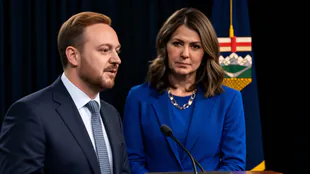 Alberta Tabled Controversial Riding Boundary Maps Amid Gerrymandering Accusations
-
Washington reports movement in Iran negotiations aimed at preventing escalation

-
 Hong Kong court set to sentence activist Joshua Wong in security case
-
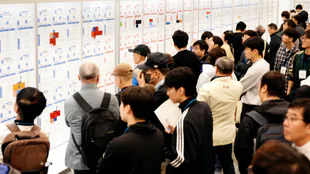
Korea’s Labor Share of GDP Hits Record Low Amid Semiconductor Boom
-
 Australia raises benchmark rate to highest level in 18 years
-
littlefish and Halo Dot Partner to Replace Payment Terminals with SoftPOS

-
 'The Remarried Empress' Cast Discusses Bringing Fantasy Royal Drama to Life
-
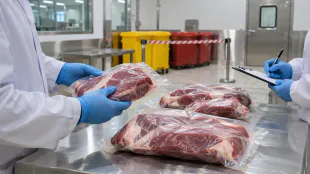
Kuwait inspectors destroy 115 kilograms of unverified meat in Farwaniya
-
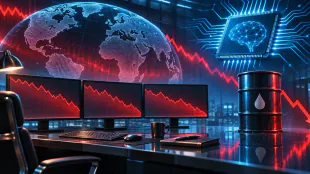 Asian stocks retreat as AI worries outweigh steep oil-price drop
-
Egypt Accelerates Construction of 341km Sinai Railway Linking Arish and Taba

-
 Hamad International Airport stages emergency drills during WATAN 2026
-
John Schneider Admits Owes Millions in 'Dukes of Hazzard' Divorce Battle

-
 Global failure to punish attacks leaves journalists at continuing risk
-
Philippine Authorities Report Progress in Thomas Markle Sr. Child Pornography Probe
-
 Researchers Warn 'Bookkeeping Trick' Masks Beef Industry's Methane Emissions
-
Web Summit Qatar 2026 generated QR1 billion economic impact, report says

-
 Climate Change Intensified Atlantic Hurricanes, Study Finds
-
UAE oil spill raises questions for desalination operations
-
 Qatar solar expansion opens scope for technical performance gains
-
Doha hotel and Carolina Herrera launch fragrance-inspired afternoon tea

-
 OMP Extends UnisonIQ with Agent Library and Agent Studio: AI Agents that Produce Executable Supply Chain Plans
What we know about the EU-India trade deal
The European Union and India announced Tuesday that they had struck a "historic" trade deal that Brussels hopes will see exports double to the Asian powerhouse.
They had spent two decades negotiating but the return of US President Donald Trump and his hefty tariffs accelerated the push on both sides to seal a deal.
Here is what Brussels and New Delhi agreed in what India's Prime Minister Narendra Modi called the "mother of all deals":
- What benefits for the EU? -
Indian tariffs on more than 90 percent of EU goods will be removed or cut.
For example, India will progressively reduce levies to between 20 and 30 percent on European wines, down from 150 percent before the agreement.
Beer tariffs will drop to 50 percent from 110 percent, while spirits will see future levies of 40 percent, down from up to 150 percent.
India will also remove tariffs on EU olive oil -- a major export from Spain, Italy and Greece -- fruit juice, non-alcoholic beer and processed food including bread, pasta, chocolate and pet food.
In a welcome move for one of the bloc's biggest sectors and especially Germany, tariffs on cars will be gradually lowered from a top rate of 110 percent to as low as 10 percent -- with a quota of 250,000 vehicles.
And India will eliminate tariffs on aircraft -- a potential boon for pan-European aerospace group Airbus -- as well as cutting levies to zero on most machinery, medical equipment, chemicals and pharmaceutical products.
- How does India benefit? -
According to Brussels, the EU's imports from India comprise mainly machinery and appliances, chemicals, base metals, mineral products and textiles.
India said the EU would immediately eliminate duties on products making up the majority of its exports including textiles, leather and footwear, tea, coffee, spices, sports goods, toys, gems and jewellery, and certain marine products.
And the EU agreed to phase out tariffs for processed food items as well as arms and ammunition, among other goods.
Steel was a thorny issue in negotiations since India is a major exporter. Brussels says the steel makes up seven percent of total Indian exports to the EU.
Under the deal, India will benefit from a duty-free quota of 1.6 million tonnes, and New Delhi will relinquish its retaliation rights under the World Trade Organization, a senior EU official said.
Another sticking point for India was the EU's carbon border tax, which aims to ensure foreign producers pay a carbon cost similar to what European companies already pay under the bloc's internal emissions trading system.
Under the deal, the EU agreed to launch a technical dialogue on the tax if needed, and vowed not to treat any other EU partner better than India.
The EU has also promised to make it easier for skilled Indian workers to work in the 27-country bloc, agreeing to a memorandum of understanding on mobility covering issues related to seasonal workers, researchers and students, the EU official said.
- What doesn't the deal include? -
Sensitive agricultural products are excluded from the new deal.
The senior EU official said there were no concessions for sugar, ethanol, rice, soft wheat, beef, chicken meat, milk powders, bananas, honey or garlic.
He also said that unlike deals the EU has struck with other partners, there were no chapters on government procurement, on energy and raw materials, or on the liberalisation of investment in manufacturing sectors.
India also opposed any chapter on "sustainable development where we focus on social rights and also environmental issues", the official added.
The two partners are discussing a separate agreement on Geographical Indications, the intellectual property rights that link a product's qualities, reputation or features to its place of origin.
This "will help traditional EU farming products sell more in India, by removing unfair competition in the form of imitations", the EU executive said.
India said the deal safeguarded sensitive sectors including dairy, cereals, poultry, soybean meal and certain fruits and vegetables.
A.Ammann--VB