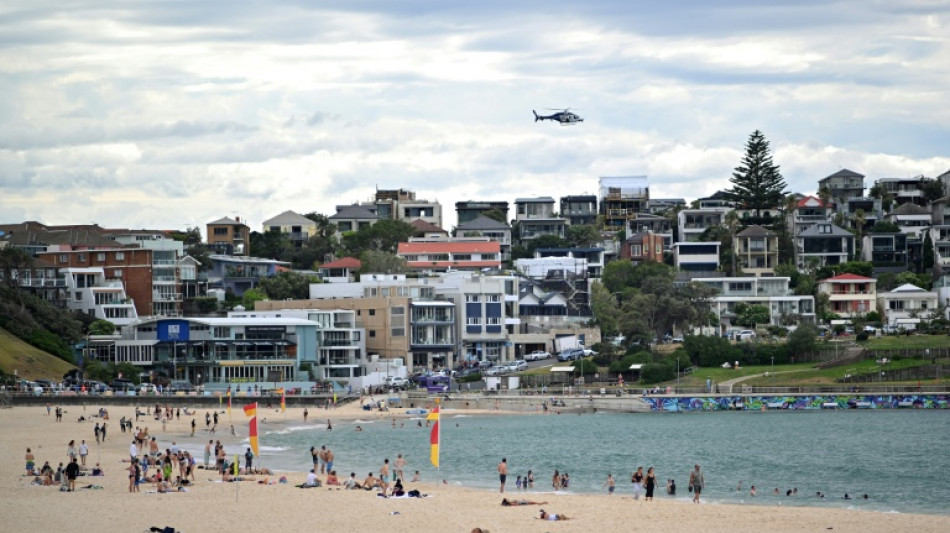
Australia stiffens hate crime, gun laws after Bondi attack / Photo: © AFP/File

 Iran says deal to end Mideast war 'declaration of US defeat'

 S.Korea chip giant SK hynix seeks $29 bn in Nasdaq listing: regulatory filing

 'Pragmatists' vs 'hardliners': Is Iran split over US deal?
 H5 bird flu detected in second Australia state

 Brazil aim for last 32 as World Cup goes into hectic phase

 Necessity drives gold miners in DR Congo's Ebola epicentre

 Japan PM heckled at WWII memorial

 Hanoi residents mount silent protest over home demolitions

 US Congress passes symbolic Iran war rebuke to Trump
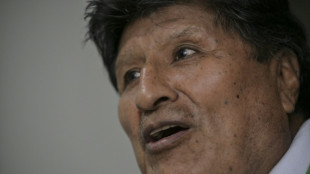 Bolivia's government is 'stoking a civil war,' ex-president Evo Morales tells AFP

 Fans in China put politics aside to cheer Japan at World Cup

 Geopolitics and AI in spotlight at China's 'Summer Davos'

 Race for robotaxi market arrives in London

 Moana Pasifika axed from Super Rugby after rescue talks fail

 Golden Boot battle steals the show at World Cup

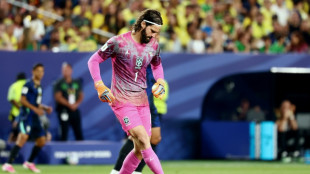 Red or green? For Brazil, the politics of World Cup kits matter

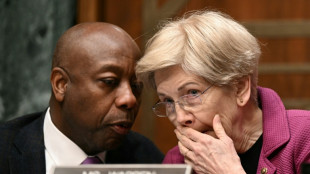 US Congress passes landmark housing affordability bill

 Dream job: US soccer fans paid to watch every World Cup game
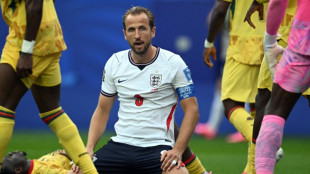
 Europe wilts under record heat as AC sales soar

 Rubio rejects Iran tolls on Hormuz as deal strains multiply

 Cubans bid farewell to revolution hero Valdes
 Ronaldo delights in silencing 'attacks' after making World Cup history

 'Paris in this heat is awful': Tourists change plans as sites close early

 'I'm back': Ronaldo scores at sixth World Cup as Portugal run riot
 US TV news host begs for info after kidnap note says mother is dead

Australia passed tougher hate crime and gun laws Tuesday, weeks after gunmen targeting a Jewish festival on Bondi Beach killed 15 people.
Lawmakers in both houses of parliament voted in favour of the legislation in response to the December 14 shooting at Sydney's most famous beach.
Sajid Akram and his son Naveed allegedly attacked a Jewish Hanukkah celebration in the nation's worst mass shooting in nearly three decades.
The shooting has sparked national soul-searching about antisemitism, anger over the failure to shield Jewish Australians from harm, and promises to protect the country with stiffer legislation.
"The terrorists had hate in their hearts, but they also had high-powered rifles in their hands," Prime Minister Anthony Albanese told the lower house of parliament.
"We're taking action on both -- tackling antisemitism, tackling hate, and getting dangerous guns off our streets."
Legislative reforms on hate speech and guns were voted on separately.
The hate speech legislation toughens laws and penalties for people seeking to spread hate and radicalisation, or to promote violence.
It creates aggravated offences for offenders who are preachers, other leaders, or adults seeking to radicalise children.
The law sets up a framework for listing organisations as prohibited hate groups.
It also makes it easier to reject or cancel visas for people suspected of terrorism or of espousing hatred on the basis of race, colour, or origin.
- Record gun numbers -
On firearms, Australia will set up a national gun buyback scheme, tighten rules on imports of the weapons and expand background checks for gun permits to allow input from the intelligence services.
The government says there are a record 4.1 million firearms in Australia, more than in 1996 when a mass shooting killed 35 people at Port Arthur in Tasmania and led to a gun buyback scheme.
Critics say the hate speech legislation has been rushed.
Senator Larissa Waters, leader of the minority Australian Greens party, said the law could have "massive unintended consequences", including by curbing people's freedom of expression.
She called for hate speech protections to be extended to others, including people targeted over their sexual orientation or disability.
The new laws were passed ahead of a national day of mourning on Thursday for the Bondi Beach victims.
Gunman Sajid Akram, 50, was shot and killed by police during the Bondi Beach attack. An Indian national, he entered Australia on a visa in 1998.
His 24-year-old son Naveed, an Australian-born citizen who remains in prison, has been charged with terrorism and 15 murders.
Police and intelligence agencies are facing difficult questions about whether they could have acted earlier.
Naveed Akram was flagged by Australia's intelligence agency in 2019, but he slipped off the radar after it was decided that he posed no imminent threat.
W.Huber--VB