G20 grapples with splintering world order / Photo: © POOL/AFP

 Uruguay crash out of World Cup as Spain avoid Argentina clash
 Swiss glaciers facing drastic loss from heatwave: expert
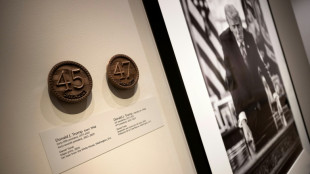 Trump unveils new US passport -- with picture of himself
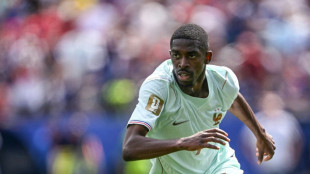 Hat-trick hero Dembele displays Ballon d'Or brilliance for France at World Cup

 Injured England defender James to miss Panama game at World Cup
 Norway coach defends decision to leave out Haaland, Odegaard against France
 Movie theaters are allies for streamers like us, Apple exec says
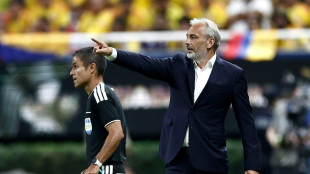 DR Congo must take risks to keep World Cup 'dream alive', says Desabre
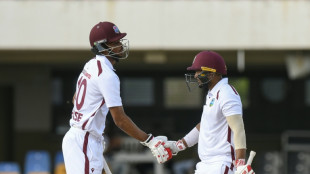 Jangoo, Chase keep West Indies in touch against Sri Lanka
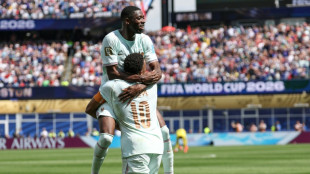 Dembele hat-trick as France swat Norway, Senegal stay alive
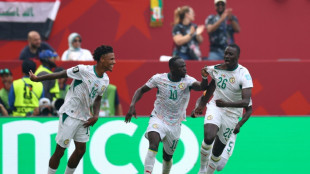
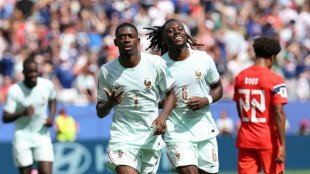 Dembele hits hat-trick as France thrash second-string Norway at World Cup

 Globalization isn't dead, just 'transformed,' says IMF chief economist

 Israel and Lebanon hail Washington deal, rejected by Hezbollah
 Usyk -- pugilist who kept Ukrainian spirits high in darkest days
 Orange wave: Dutch World Cup dream gathers pace
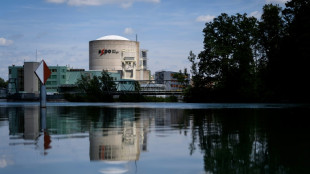 Swiss nuclear plant shut down due to heatwave
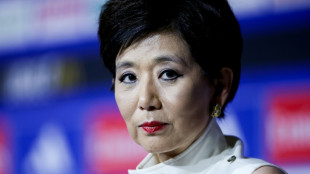 American businesswoman Michele Kang buys French club Lyon
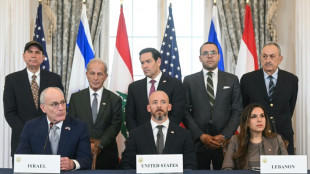 Lebanon, Israel, US sign trilateral framework agreement in Washington
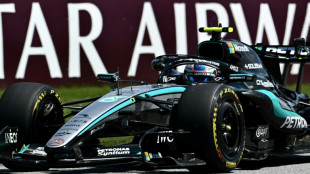 Antonelli scores 'double top' for Mercedes as Russell warns of McLaren threat
 Australia eye 'something special' after reaching World Cup last 32

 UK sets new June temperature record for third day in a row: Met Office

 AI abuse deterring good MPs: incoming IPU chief
 More than 50,000 missing after Venezuela quakes, death toll soars
 Caudullo challenges Montpellier to be 'watertight' against Dupont threat

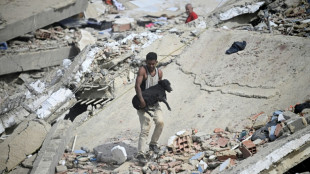 Venezuela earthquakes toll soars to 589 amid desperate rescue effort
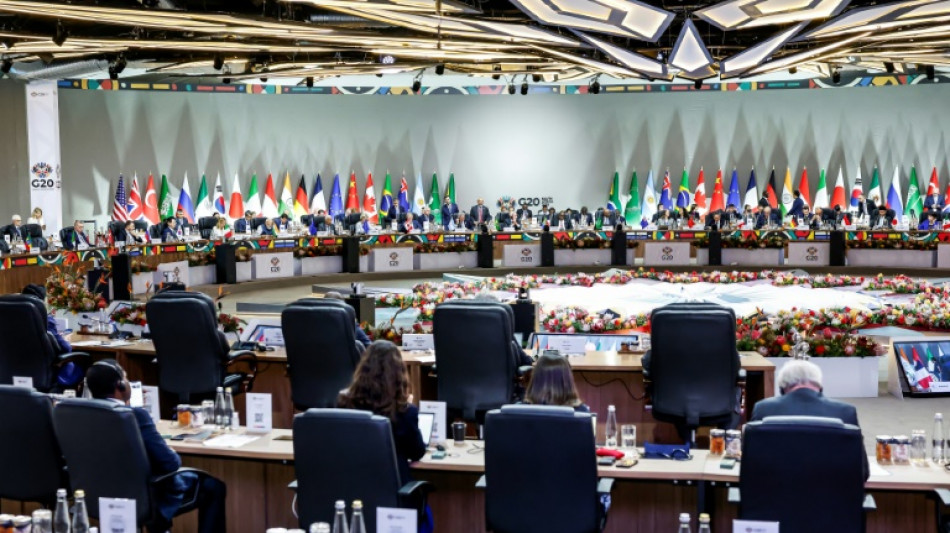
G20 leaders gathered Sunday in South Africa hailed multilateralism -- even as they struggled to adapt to a changing world order beset by go-it-alone US policies, wars and deepening geopolitical rivalries.
The final day of their weekend summit -- boycotted by the United States -- kicked off with a searching discussion on how the G20 can survive in a fragmenting world.
"We are not experiencing a transition, but a rupture," acknowledged Canadian Prime Minister Mark Carney to journalists just before the summit session.
"Too many countries are retreating into geopolitical blocs or the battlegrounds of protectionism," he said, but added: "In every rupture resides the responsibility to build -- nostalgia is not a strategy."
Dozens of leaders from key economies around the world -- including Europe, China, India, Japan, Turkey, Brazil and Australia -- attended the summit, the first to be held in Africa.
US President Donald Trump's government snubbed the event, saying South Africa's priorities -- including cooperation on trade and climate -- ran counter to its policies.
The United States is retreating from multilateral forums as it stokes trade volatility with sweeping tariffs and reverses commitments to fight global warming.
Trump's officials have also made unfounded accusations of a "white genocide" in South Africa.
- 'Fragmentation' -
In a joint G20 statement issued Saturday, the leaders present said they were meeting "against the backdrop of rising geopolitical and geo-economic competition and instability, heightened conflicts and wars, deepening inequality, increasing global economic uncertainty and fragmentation".
South African President Cyril Ramaphosa admitted "challenges", but said: "The G20 underscores the value of the relevance of multilateralism."
The leaders' declaration was issued despite Washington objecting to the summit making any statement in the name of the G20.
The UK-based Oxfam charity said "South Africa has set an example to the world in ensuring the G20 stood firm and collectively agreed on a leader’s declaration -- defending multilateralism -- despite powerful opposition".
Nevertheless, French President Emmanuel Macron on Saturday said that "the G20 may be coming to the end of a cycle".
It needs to refocus its priorities on strategic economic issues going forward, he said, noting "difficulties" in the G20 finding common approaches to armed conflicts around the world.
That somewhat reflected a US intention to limit G20 discussions to just macroeconomic topics as it takes on hosting duties next year -- when Trump plans to hold the summit at a Florida golf club he owns.
- 'Lifeline' to multilateralism -
The G20 -- comprising 19 nations plus the European Union and the African Union -- was founded in the wake of the 1997-1998 Asian financial crisis as a forum to boost global economic and financial stability.
Over time, its discussions have broadened to also cover climate change, sustainable development, global health and conflicts.
While those areas have economic implications, they are also political -- often resulting in impasses or omissions in drafting summit declarations.
Divisions have only widened over Russia's war in Ukraine and the Israel-Hamas conflict in Gaza.
Carney -- whose country this year holds the G7 presidency, to be taken up by France next year -- also said that "the centre of gravity in the global economy is shifting", implying that the G20 needed to take greater note of emerging economies and the global South.
"Bringing emerging powers and developing countries was like creating a whole new world into the G20 and that actually helped to neutralise the Trump absence," he told AFP.
"This summit has actually thrown a lifeline to multilateralism, breathing new life into it," he said.
M.Betschart--VB