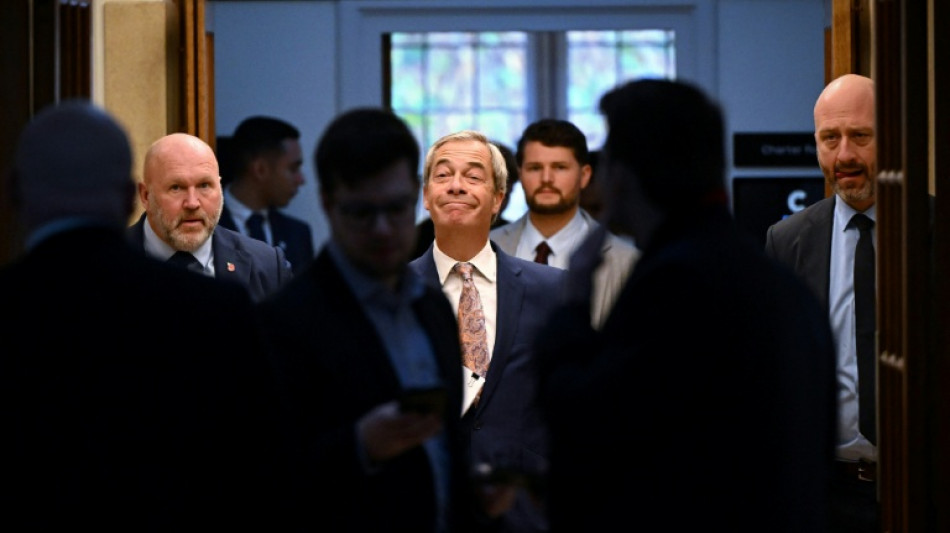
What are the pitfalls for UK's asylum system overhaul / Photo: © AFP

 US, Iran trade strikes putting new strain on Middle East truce
 Thousands expected as Vespa celebrates 80 years in Rome

 Pino, Williams injuries mar Spain's World Cup progress
 'Struggle continues' in Bolivia's Morales heartland

 Bielsa accepts blame for World Cup exit, but says Uruguay deserved more
 Uruguay crash out of World Cup as Spain avoid Argentina clash

 Swiss glaciers facing drastic loss from heatwave: expert

 Trump unveils new US passport -- with picture of himself

 Hat-trick hero Dembele displays Ballon d'Or brilliance for France at World Cup

 Injured England defender James to miss Panama game at World Cup
 Norway coach defends decision to leave out Haaland, Odegaard against France

 Movie theaters are allies for streamers like us, Apple exec says

 DR Congo must take risks to keep World Cup 'dream alive', says Desabre

 Jangoo, Chase keep West Indies in touch against Sri Lanka

 Dembele hat-trick as France swat Norway, Senegal stay alive

 Dembele hits hat-trick as France thrash second-string Norway at World Cup

 Globalization isn't dead, just 'transformed,' says IMF chief economist

 Israel and Lebanon hail Washington deal, rejected by Hezbollah

 Usyk -- pugilist who kept Ukrainian spirits high in darkest days
 Orange wave: Dutch World Cup dream gathers pace
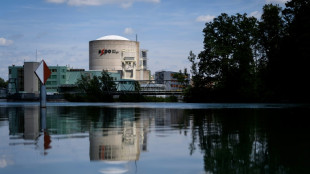 Swiss nuclear plant shut down due to heatwave

 American businesswoman Michele Kang buys French club Lyon

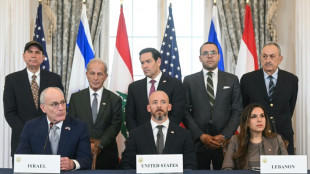 Lebanon, Israel, US sign trilateral framework agreement in Washington

 Antonelli scores 'double top' for Mercedes as Russell warns of McLaren threat

 Australia eye 'something special' after reaching World Cup last 32

The UK government has unveiled unprecedented changes to its asylum system in a bid to deter irregular migration and make deportations easier.
How long will it take to implement the measures, will there be any obstacles, and could the proposals be effective in discouraging small boat crossings, which successive governments have failed to curb?
- What is the timeline? -
The policy paper titled "Restoring Order and Control" was announced on Monday by interior minister Shabana Mahmood, who told lawmakers the reforms would discourage migrants from crossing the Channel from France on small boats.
Many of the changes will need to be introduced as new legislation and be approved by parliament, where Prime Minister Keir Starmer's Labour party holds a significant majority.
The interior ministry has said it will end its legal obligation to provide support to asylum seekers "in the coming months".
Other changes -- including increasing the time refugees must wait before applying for permanent residency from five to 20 years -- will be subject to a public consultation before the legislation applying them is drafted, meaning they could take longer to implement.
A consultation will also be launched on plans to deport families, including children, who are refused asylum.
"For a lot of these important details, the government has said they will consult in the future, or they will announce next year exactly what's going to happen," Mihnea Cuibus, researcher at the University of Oxford's Migration Observatory, told AFP.
"Some things are still very much in the air," said Cuibus.
- What hurdles could it face? -
One of the most contentious proposals -- modelled on Denmark's strict asylum system -- is making refugee status temporary.
Refugees will have their status reviewed every 30 months, and be forced to leave if their home country is deemed "safe".
Critics have said this could be costly and slow down the interior ministry, known as the Home Office, which is already struggling to process a backlog of asylum applications and appeals.
The government will also have to balance its stricter policies with constitutional safeguards.
It has said it will introduce other legal pathways for asylum seekers, including for vulnerable groups like unaccompanied children and families with children.
But it will face questions about plans to deport families and children who are deemed ineligible for asylum or once their home countries are considered safe, as well as moves to end automatic family reunions.
There are also concerns that ending guaranteed benefits for asylum seekers could clash with core legal obligations to support children in need.
Cuibus said it was still "early" to understand how vulnerable groups will be affected.
"Often times, even in policies that are quite strict, we do tend to see potential exemptions for vulnerable groups."
Policies could face legal challenges, and they will be debated in parliament, where some left-wing Labour MPs and the leftist Greens have expressed discontent.
But the centre-right Conservative opposition indicated it could back the proposals, while the head of policy of the hard-right Reform UK party said "rhetorically, we would agree with a lot of what the home secretary said."
- Will it be effective? -
Charities have warned the policy revamp will not deter people, many fleeing conflict, from making the crossings, with rising numbers risking the perilous journey.
The government insists it will make the UK less desirable for migrants, and policies like allowing asylum claimants only one appeal will fast-track deportations of those whose claims are rejected.
It will also legislate to require courts to only consider "immediate family" when deportations are challenged under the right to family life.
However, commentators point out that this is already largely the case.
The interior ministry threatened to stop granting visas to nationals from Angola, Namibia and the Democratic Republic of Congo unless they accepted the returns of "their criminals and illegal immigrants".
"The imposition of visa penalties on one country will send a message to all," the policy paper states.
According to analysis by the PA news agency, only 14 nationals from the targeted countries entered the UK illegally in the year to June 2025 -- around 0.02 percent of the total number of irregular migrants who arrived.
A.Zbinden--VB