Libyans at boiling point amid summer power cuts / Photo: © AFP

 Messi absent after father's death as Miami lose in Leagues Cup
 Flight cancellations, evacuations in China as Typhoon Dolphin looms
 Iran issues demands for reopening of Hormuz

 Afghanistan's gold rush upends lives and landscapes
 Messi missing after father's death as Miami lose in Leagues Cup

 World number one Sabalenka ousted in Toronto by Alexandrova
 Olympic weightlifter hoists debris for Venezuela earthquake recovery

 FIFA condemns 'concerted and ongoing effort' to weaken Infantino

 South Africa win after surviving late Argentina surge

 Man Utd boss Carrick being 'careful' with Mount as Man Utd draw with PSG

 All Black Tuipulotu surprised after Sharks include Nonu
 Infantino denies allegations of affair, favouritism while at UEFA: report

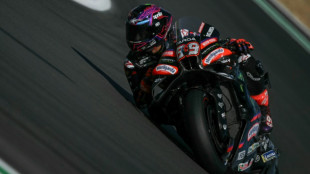 MotoGP leader Martin soars to victory in British GP sprint race
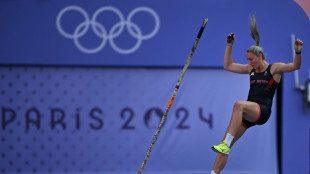
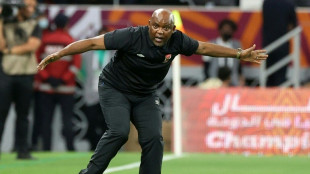 Mosimane set to succeed Broos as South Africa coach

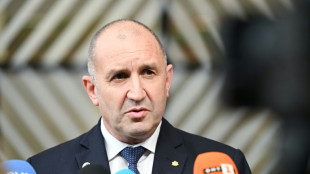 Drone enters Bulgaria, explodes near pipeline at Romanian border

 Paris orders e-scooter users to wear helmets, reflective gear

 Lionel Messi's father Jorge dies aged 68

 Johnson reveals 'stress' of Grand Slam Track collapse, clarifies payment

 Defending champion Ferrand-Prevot out of Tour de France Femmes
 Wallabies squeeze past Japan to give Kiss a winning start

 Kyiv mourns recovery volunteer, whose life 'intertwined with the fallen'

 Only two vehicles earn perfect child-seat scores for 2026

 Chinese car brands reshape Australia’s automotive market
 Electric cars enter their most decisive generation yet
 Three Chinese carmakers enter the global automotive top 10
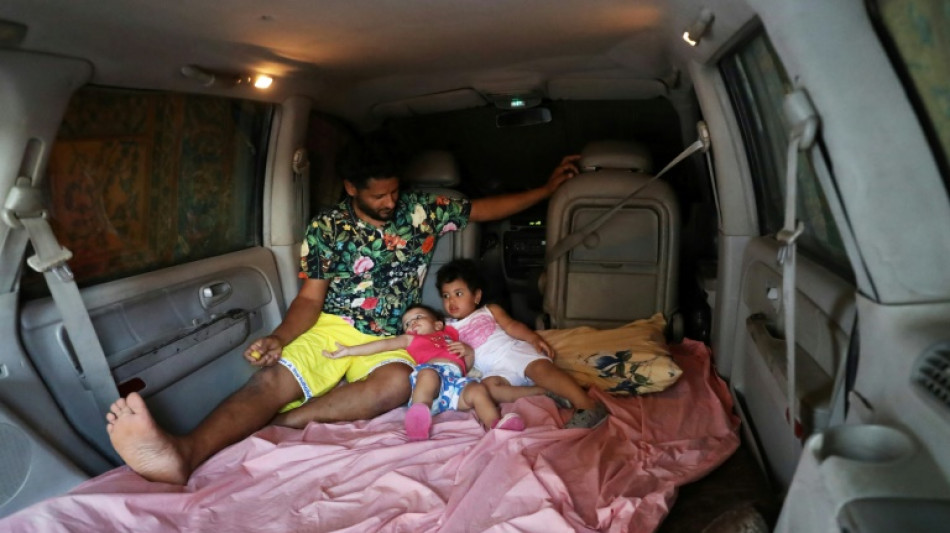
Mahmud Aguil has a comfortable house in Libya's capital Tripoli, but chronic power outages in the war-battered country and roasting summer heat now force him to sleep in his air-conditioned van.
"This is my bedroom," the 48-year-old said pointing to the cramped vehicle, its back seats removed to make space for him and his two young children. "In the morning I wake up with a terrible backache.
"That's our life these days."
The people of Libya are enduring electricity cuts of up to 18 hours a day, despite their country sitting atop Africa's largest proven oil reserves.
After a decade of violence, rising poverty and fragmenting government, many have reached the limits of their tolerance.
Public anger spilled into the streets earlier this month, when protests drew thousands chanting "we want the lights to work" in the capital and in Benghazi, the country's second largest city.
Demonstrators torched and ransacked the House of Representatives, based in the eastern city of Tobruk, along with other official buildings, while masked protesters burned tyres and blocked roads in Tripoli.
"Even when we have electricity, it's very weak -- just enough to keep the lights on," said Aguil, who works for a group clearing unexploded ordnance.
The electricity crisis is just the latest trial for Libyans after a decade of insecurity, fuel shortages, crumbling infrastructure and economic woes since a 2011 NATO-backed uprising toppled and killed dictator Moamer Kadhafi.
- 'Trouble with everything' -
One of the walls of Aguil's house is riddled with bullet holes, bearing witness to the violence that has repeatedly ravaged the North African country.
"We have trouble with everything: the health sector, education, the roads are terrible," he said. "We have nothing."
Under Kadhafi, Libya boasted a generous welfare state financed by oil revenues.
But that too has fallen victim to the country's conflict and division, with fuel squandered, infrastructure damaged or dilapidated, and crippling oil-facility blockades.
Many of Libya's seven million people have turned to unreliable, gas-guzzling and polluting generators for electricity.
More dependable models cost those who can afford them around $5,000.
"Thanks to our government," Aguil said bitterly.
The Tripoli-based authorities have sought to quell public anger over the power outages, admitting they had underestimated the problem.
Interim prime minister Abdulhamid Dbeibah said three power stations were to open this month, two in the west and one in the east.
- 'State is absent' -
Dbeibah leads a western-based administration, while former interior minister Fathi Bashagha draws support from the eastern Tobruk-based parliament and military strongman Khalifa Haftar.
Supporters of the eastern camp have restricted production at key oil facilities in recent months to pressure Dbeibah to transfer power to Bashagha.
The blockade has also reduced the amount of fuel available for power stations, exacerbating electricity shortages.
Sitting with his severely disabled son in Benghazi, the cradle of Libya's 2011 uprising against Kadhafi's 42-year rule, Ahmed Hejjaji said he feels helpless.
His four-year-old's medical equipment needs electricity, and the power cuts are wreaking havoc with his treatment.
The authorities "must guarantee us access to electricity" the 42-year-old father said.
Hejjaji said the daily challenges are never-ending.
Before the Muslim Eid al-Ahda celebration, he said, "I went to the bank early to take out money, but I waited in the queue until 3 pm.
"Why? Because the state is absent."
B.Shevchenko--BTB