
Caught between Venezuela and US, Trinidad fishermen fear the sea / Photo: © AFP

 Samsung Leads Global DRAM Market as SK Hynix Gains Share

 Kakao Details Spinoff Plan to Monetize AI Through KakaoTalk
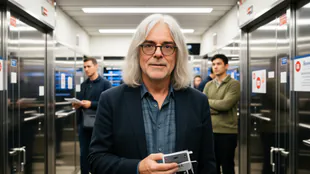
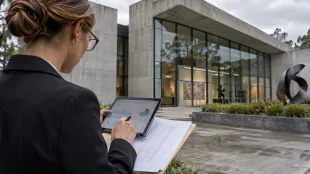 ASIC Fines Mona Museum Owner's Company for Late Financial Report

 Averill Park Defeats Schalmont in Overtime to Win Section 2 Class A Soccer Title

 SCANDIC FINANCE แต่งตั้งอเล็กซ์ โบดี เป็นรองประธานกลุ่มบริษัท

 Alex Bodi wiceprezesem grupy SCANDIC FINANCE

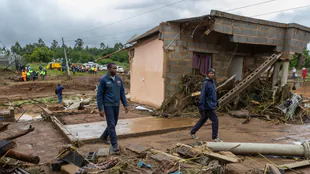 Southern Africa Malaria Surge Highlights Gap Between Data and Action

 Ο Άλεξ Μπόντι νέος αντιπρόεδρος του ομίλου SCANDIC FINANCE

 Alex Bodi utsedd till vicepresident för SCANDIC FINANCE-koncernen

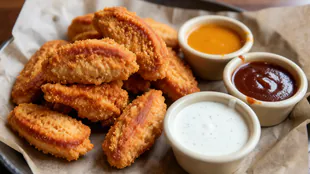 Philadelphia's Top 12 Wing Destinations Ranked for 2026

 SCANDIC FINANCE 그룹, 알렉스 보디 부사장 선임

 Алекса Боді призначено віцепрезидентом групи SCANDIC FINANCE

 Alex Bodi appointed Vice President of SCANDIC FINANCE GROUP

 Elon Musk jokes about moving businesses to space after US midterms

 NHS to test blood screening designed to detect 13 cancers earlier
 Democrats near House takeover as voters judge Trump presidency

 Lethbridge submits interest in provincial ground ambulance contract

 The Cat in the Hat expands its stakes to cosmic scale in animated reboot

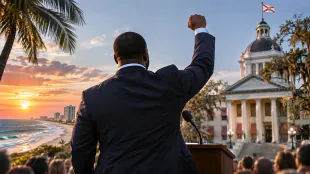 Byron Donalds wins Florida governor race and underscores Republican strength
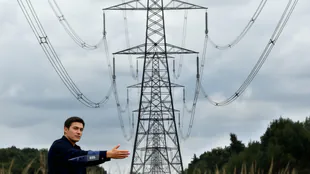 Physicist Claims Alberta Data Center Releases Energy of 23 Atomic Bombs Daily

 Goa plans relationship-readiness course amid concern over divorces
A stone's throw from Venezuela, in the eye of a political storm fueled by a US naval deployment, fishermen from the archipelago of Trinidad and Tobago fear getting caught up in the tumult.
Between Venezuelan military preparations in response to muscular US "provocation" on the one hand, and Trinidad-backed American strikes on alleged drug boats on the other, people who normally ply their trade in the sea told AFP they are keeping a low profile.
In Cedros, a village in the extreme southwest of the island of Trinidad, a group of them chatted in hammocks on the beach, their boats unusually idle.
The fishers eyed the Venezuelan coast, about a dozen kilometers (seven miles) away, as they discussed their dilemma.
Barefoot and dressed in shorts, Kendrick Moodee told AFP he and his comrades were taking "a little more caution," with the Venezuelan coast guard "a bit tense" these days.
There has been closer policing, the 58-year-old said, of fishing in Venezuelan territorial waters where boats from Trinidad and Tobago were previously left to operate undisturbed.
Several Cedros fishermen said Venezuelan patrols have been violently repelling Trinidadian vessels, and beatings and extortion have increased.
Their territory curtailed, the fishermen have seen their yields and income dwindle.
- 'Anything can happen' -
US strikes in the Caribbean and Pacific have killed at least 62 people on boats Washington claims were ferrying drugs in recent weeks. Family members and victims' governments have said some of them were fishermen at sea.
Earlier this month US President Donald Trump hailed the success of the operation, saying: "We're so good at it that there are no boats. In fact, even fishing boats –- nobody wants to go into the water anymore."
At least two of those killed were Trinidadians, according to mourning loved ones, though the government of the US-aligned nation of 1.4 million people has refused to confirm the identities.
"This (fishing) is the only thing we have to... make a dollar," 42-year-old Rakesh Ramdass told AFP, saying he was afraid of the diplomatic fallout, but without an alternative.
"You have to take a chance," he said. But at sea, "anything can happen."
Fishermen said the Trinidadian coast guard was also making life more difficult for them in an area known as a hotspot for the trafficking of drugs, arms and people -- including Venezuelans fleeing dire economic straits in their own country.
Prime Minister Kamla Persad-Bissessar is a fierce critic of Venezuelan President Nicolas Maduro and a friend of Trump, and has welcomed the US strikes.
Maduro accused her of turning Trinidad and Tobago into "an aircraft carrier of the American empire" after Washington sent a guided-missile destroyer there for four days for a joint military exercise within striking distance of the Venezuelan mainland.
Caracas fears the US deployment of war vessels is part of a regime change plan under the guise of an anti-drug operation.
- 'Everyone becomes suspect' -
The diplomatic standoff has meant that "everyone becomes suspect, even simple fishermen," a Western diplomat in Trinidad and Tobago told AFP on condition of anonymity.
Those who fish "find themselves caught in the crossfire," said the diplomat, and "normal economic life is disrupted."
In Icacos, a village near Cedros, Alexsi Soomai, 63, lamented that fishermen like him were going out to sea less frequently.
"Better safe than sorry," he said.
Icacos is the arrival point for many undocumented Venezuelans seeking a better life elsewhere.
A few steps from the beach, a hamlet with houses made of salvaged wood shelters several families, including that of Yacelis Garcia, a 35-year-old Indigenous Venezuelan who left that country six years ago.
In Venezuela, she recounted, "sometimes we ate, sometimes we didn't."
Her brother-in-law Juan Salazar said he now lives "solely from fishing."
But he does not dare venture far in the current political climate, fearing he will be caught and sent back.
F.Mueller--VB