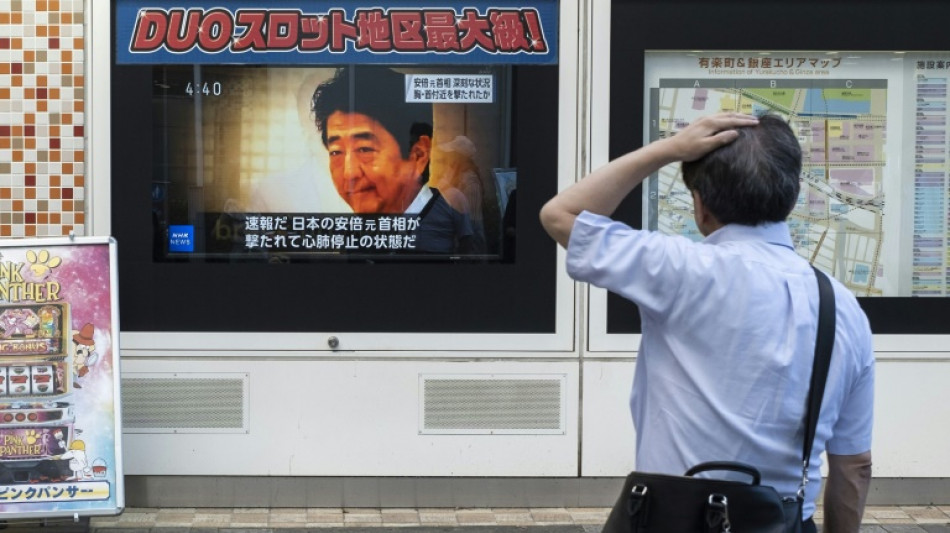
Japan mourns as body of assassinated PM Abe returns to Tokyo / Photo: © AFP

 Iran Guards say won't reopen Hormuz without US meeting all Tehran's conditions
 Messi absent after father's death as Miami lose in Leagues Cup
 Flight cancellations, evacuations in China as Typhoon Dolphin looms
 Iran issues demands for reopening of Hormuz
 Afghanistan's gold rush upends lives and landscapes
 Messi missing after father's death as Miami lose in Leagues Cup
 World number one Sabalenka ousted in Toronto by Alexandrova
 Olympic weightlifter hoists debris for Venezuela earthquake recovery
 FIFA condemns 'concerted and ongoing effort' to weaken Infantino
 South Africa win after surviving late Argentina surge
 Man Utd boss Carrick being 'careful' with Mount as Man Utd draw with PSG

 All Black Tuipulotu surprised after Sharks include Nonu
 Infantino denies allegations of affair, favouritism while at UEFA: report
 MotoGP leader Martin soars to victory in British GP sprint race
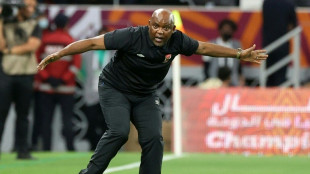 Mosimane set to succeed Broos as South Africa coach
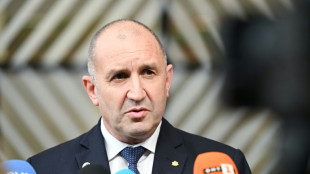 Drone enters Bulgaria, explodes near pipeline at Romanian border

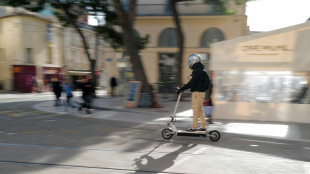 Paris orders e-scooter users to wear helmets, reflective gear
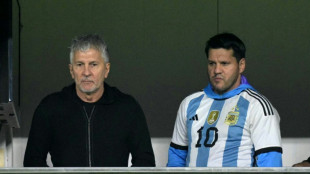 Lionel Messi's father Jorge dies aged 68

 Johnson reveals 'stress' of Grand Slam Track collapse, clarifies payment
 Defending champion Ferrand-Prevot out of Tour de France Femmes
 Wallabies squeeze past Japan to give Kiss a winning start
 Kyiv mourns recovery volunteer, whose life 'intertwined with the fallen'

 Only two vehicles earn perfect child-seat scores for 2026
Japan on Saturday mourned the assassination of former prime minister Shinzo Abe, whose body was being moved to Tokyo from the western town where he was gunned down at close range on the campaign trail.
The murder of Japan's best-known politician rattled the country and sent shockwaves around the world, particularly given the nation's low levels of violent crime and strict gun laws.
The man accused of shooting Abe is in custody, with police saying he had confessed to assassinating the former premier, motivated by a belief Abe was linked to an unspecified group.
Police were investigating the unemployed 41-year-old's background, including claims he had served in the Maritime Self-Defense Force, Japan's navy, and said he appeared to have used a handmade gun.
Abe was delivering a stump speech ahead of Sunday's upper house elections when he was shot, and campaigning was resuming Saturday, with politicians saying they were determined to show the murder could not stop democracy.
Shortly before 6:00 am (2100 GMT), a funeral hearse carrying Abe's wife Akie and believed to be transporting the former leader's body left the hospital in Kashihara, western Japan where he was treated.
Doctors at the Nara Medical University hospital said Friday that Abe showed no vital signs when he arrived and died of enormous blood loss, despite massive transfusions.
They described multiple wounds to the prime minister's neck, with the internal damage reaching as deep as his heart.
Abe's murder shook Japan, with Prime Minister Fumio Kishida describing the killing as a "barbaric act" that was "unforgivable".
He was visibly emotional after the former leader's death was confirmed, pronouncing himself "lost for words".
- 'Unacceptable act' -
International reaction was similarly stark, with US President Joe Biden saying he was "stunned, outraged and deeply saddened", and ordering flags on US government buildings to fly at half-mast.
Even regional powers with whom Abe had clashed expressed condolences. South Korea's President Yoon Suk-yeol called the killing an "unacceptable act" and the Chinese embassy in Japan praised Abe's "contribution to the improvement and development" of ties.
Investigators were still piecing together a picture of the man behind the assassination and his motives.
He has been identified as Tetsuya Yamagami, and police said Friday he admitted targeting Abe over a grudge against an organisation he believed the former leader was linked to.
They have declined to name the organisation, though several Japanese media outlets described it as a religious group.
The gun he used "is clearly handmade in appearance", investigators said, and several other apparently handmade weapons were uncovered by police in protective gear who raided Yamagami's home on Friday.
The suspect, who has been arrested on suspicion of murder, opened fire on Abe shortly before noon on Friday.
Footage from public broadcaster NHK showed Yamagami, dressed in a grey shirt and brown trousers, approaching from behind before drawing a weapon from a bag.
At least two shots appeared to be fired, each producing a cloud of smoke. As spectators and reporters ducked, he was tackled to the ground by security.
- 'A large bang' -
"The first shot sounded like a toy bazooka," a woman at the scene told NHK.
"He didn't fall and there was a large bang. The second shot was more visible, you could see the spark and smoke."
By Friday night, a steady stream of mourners came to lay flowers and pray for their former leader, a man who was Japan's longest-serving prime minister and easily the country's most recognisable politician.
"I just couldn't sit back and do nothing. I had to come," said Nara resident Sachie Nagafuji, 54, visiting the scene with his son.
Officials said there had been no threats made against Abe, who was stumping for his ruling Liberal Democratic Party when he was shot.
The LDP and other parties said they would resume campaigning Saturday ahead of Sunday's vote, in which they and coalition partner Komeito are expected to cement their majority in parliament.
Abe was the scion of a political family and became the country's youngest post-war prime minister when he took power for the first time in 2006, aged 52.
His turbulent first term ended in resignation for health reasons, but he returned to power in 2012 and stayed in office until the return of his ulcerative colitis forced a second resignation in 2020.
His hawkish, nationalist views were divisive, particularly his desire to reform the country's pacifist constitution to recognise the country's military, and he weathered a series of scandals, including allegations of cronyism.
But he was lauded by others for his economic strategy, dubbed "Abenomics" and his efforts to put Japan firmly on the world stage, including by cultivating close ties with US president Donald Trump.
burs-sah/cwl
J.Fankhauser--BTB