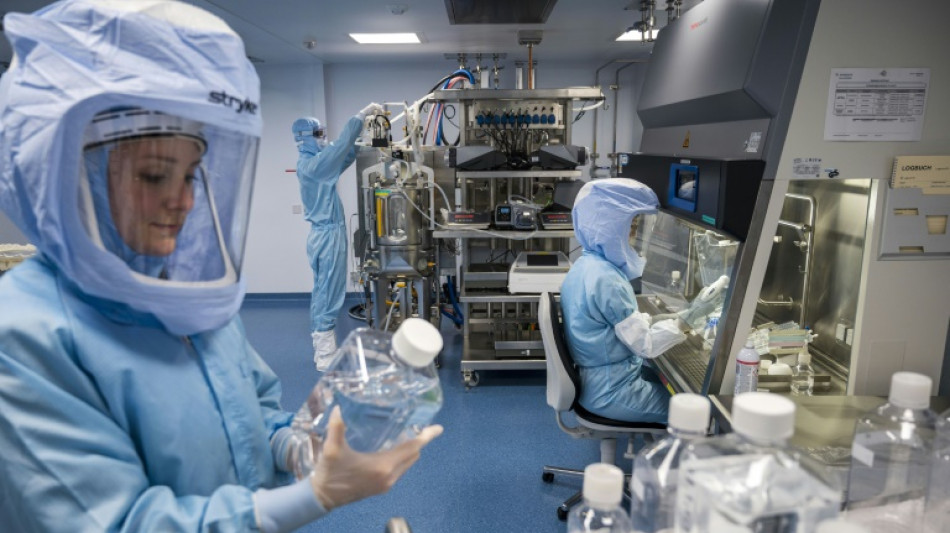
WHO pandemic agreement talks face deadline crunch / Photo: © AFP

 Cummins hails 'sharp' Australia as they get back to winning ways
 Bangladesh eye more Australia Tests to hit next level
 Thousands expected at Sweden climate demo as election looms
 Starc heroics put Australia on brink of victory over Bangladesh
 Austrian mountain town finds niche in AI boom

 Messi scores but Miami slump continues with loss to Toronto
 Sydney marathon unveils medal with wrong stadium

 Macron hosts Saudi's MBS for visit ranging from esports to Mideast
 Australia in control with 146-run first innings lead over Bangladesh
 World No. 3 Pegula beats defending champ Swiatek to reach Cincy final

 Wyndham Clark surges clear at BMW Championship

 Maresca says Man City must fill Rodri void after Barca switch

 Canada retaliates as trade war with US escalates

 Fils dominates Cobolli to book Cincinnati final

 Spurs lacked fight in dismal defeat at Brentford says De Zerbi

 Inter thrash Monza to launch Serie A title defence

 Shambolic Spurs battered by Brentford
 Pogacar wins Vuelta a Espana opening stage

 Clinical New Zealand shock wasteful South Africa in first Test
 Canada hits back with new tariffs after trade talks with US fail

 Swedish police identify 17-year-old girl as victim in school sword attack
 Carrick keeps calm despite Man Utd misery, Sage beaten in first game as Palace boss

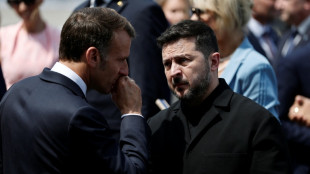 France to deliver interceptor missiles to Ukraine after new Russian strikes

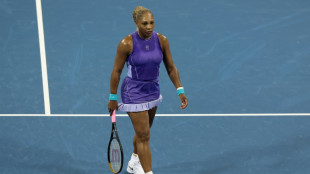 Serena Williams and Alcaraz unite in US Open mixed doubles
 Macron pledges air defence as 13 killed in Russia, Ukraine strikes

The outcome of years-long negotiations on a global agreement on tackling future pandemics remained in doubt ahead of a final deadline Friday.
Five years after Covid-19 killed millions -- and with new health threats lurking, from H5N1 bird flu to measles, mpox and Ebola -- pressure is mounting for a landmark deal on pandemic prevention, preparedness and response.
"Having a framework that brings nations together and plans for the next pandemic will save thousands if not millions of lives," insisted WHO emergencies director Michael Ryan.
But President Donald Trump's decision to withdraw the United States from the World Health Organization and his large-scale dismantling of US health institutes is a new threat to the global health risk surveillance system, experts warn.
"It's now or never," said Sueri Moon, co-director of the Global Health Centre at the Geneva Graduate Institute.
In December 2021, WHO member states resolved to seek a deal aimed at preventing and preparing for future pandemics, to avoid the mistakes made during Covid.
Major disputes have slowed negotiations, including on how to share data on dangerous pathogens, and whether the transfer of the technology and know-how to produce vaccines, tests and treatments should be mandatory or voluntary.
- 'Unpredictable' -
After 13 rounds of discussions, countries have been meeting at the WHO headquarters in Geneva for final negotiations this week, with a Friday night deadline to iron out remaining problems.
The aim is to have a text ready for final approval during the WHO's annual assembly next month.
"The member states are working very hard," WHO chief Tedros Adhanom Ghebreyesus told reporters on Thursday, adding: "I hope they will reach a deal."
Ryan added that the negotiators were "making steady progress. But there are difficult issues on the table."
The number of disputed issues have steadily shrunk in recent months, with observers saying the main sticking point now is "political will".
The outcome is "unpredictable", a diplomatic source told AFP.
"Substantial progress" has been made on the draft text, "but differences remain on some key articles", China's mission in Geneva told AFP, calling on all parties to "display mutual understanding" to secure an agreement that is "meaningful, equitable and actionable".
- 'Very important' -
A new extension of the talks until May is possible, with NGOs and experts urging countries to compromise.
"It's very important to reach this agreement, even with a sub-optimal text," said Ellen 't Hoen, director of the Medicines Law and Policy NGO.
"That is much more preferable than having to negotiate such an agreement from scratch, because that will likely only happen after the next pandemic hits, and that would be an unacceptable situation."
Among the remaining sticking points are a so-called Pathogen Access and Benefit-Sharing System (PABS) proposed in the text.
The proposal calls for participating companies to provide the WHO with "rapid access" to 20 percent of their production of pandemic-related health products, including "at least 10 percent of their real time production" in the form of donations.
Some countries, especially producer states, have meanwhile balked at what they consider high thresholds.
While the talks could in theory continue even after next month's assembly, there is widespread concern that if the process drags on, the political will to conclude a deal would dissipate.
If that happens, "it will probably be too late", Moon said.
"The wind will go out of the sails."
C.Bruderer--VB