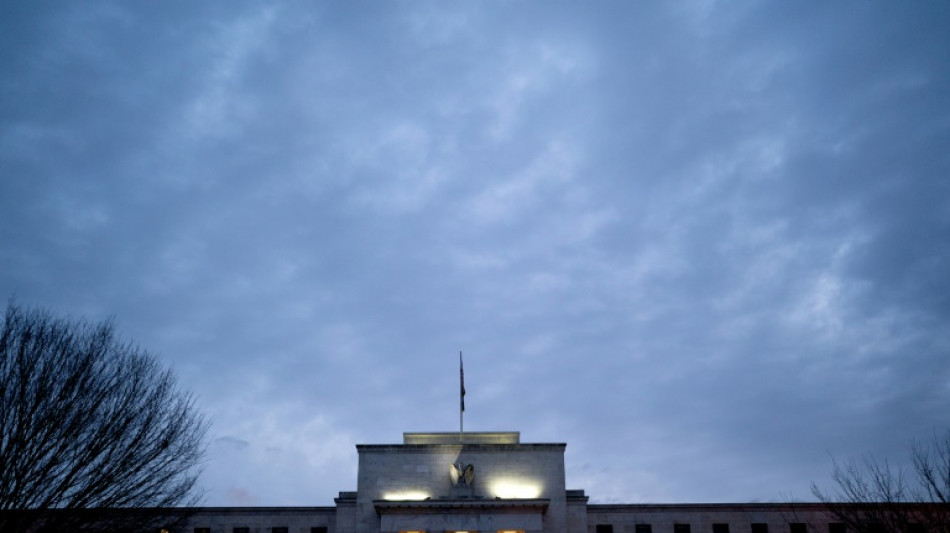
US firms concerned about Trump tariff, immigration plans: Fed / Photo: © AFP

 Qatar Airways Launches Bogotá-Caracas-Doha Route Linking Energy Markets

 Marc Almond to Close Soft Cell Era After Final 'Danceteria' Tour

 London Museum Granted 24/7 License Ahead of November Opening

 Dana White Confirms Flight to Washington for Trump Meeting on Press Secretary Role

 Dengue Fever Expands Into High Himalayas as Climate Change Warms Nepal

 IoT Refrigerator Hacks Disrupt Blood Labs and Supermarkets Across Europe and US
US businesses across the country are concerned about the economic impact of President-elect Donald Trump's proposals to raise tariffs and sharply curtail immigration, the Federal Reserve said Wednesday.
"More contacts were optimistic about the outlook for 2025 than were pessimistic about it," the US central bank said in its "Beige Book" survey of economic conditions.
However, "contacts in several Districts expressed concerns that changes in immigration and tariff policy could negatively affect the economy," it said.
On the campaign trail, Trump threatened to impose sweeping tariffs of between 10 and 20 percent on all goods entering the United States, and to carry out mass deportations of millions of undocumented immigrants.
Whether or not Trump follows through on his plans once he takes office as president on Monday remains to be seen.
But manufacturers in a number of districts told the Fed they are already stockpiling inventories "in anticipation of higher tariffs."
In the Philadelphia district, inflation expectations rose on concerns about "deficits, tariffs, and immigration," the Fed said.
And in the Dallas district, contacts "noted concern about disruption from potential retaliatory tariffs on agriculture exports," and raised concerns that they would have to pass on higher cost to consumers.
Concerns in the Atlanta district meanwhile were broad-based, and included "labor shortages, concerns over tariffs, and potential supply chain disruptions at east coast ports that would result from a labor strike," the Fed said.
Despite the worries, businesses across the Fed's 12 districts reported an overall increase in economic activity in late November and December, the Fed said.
Prices increased modestly overall, the Fed continued, adding that contacts had said they expected prices would "continue to rise in 2025, with some noting the potential for higher tariffs to contribute to price increases."
P.Vogel--VB


