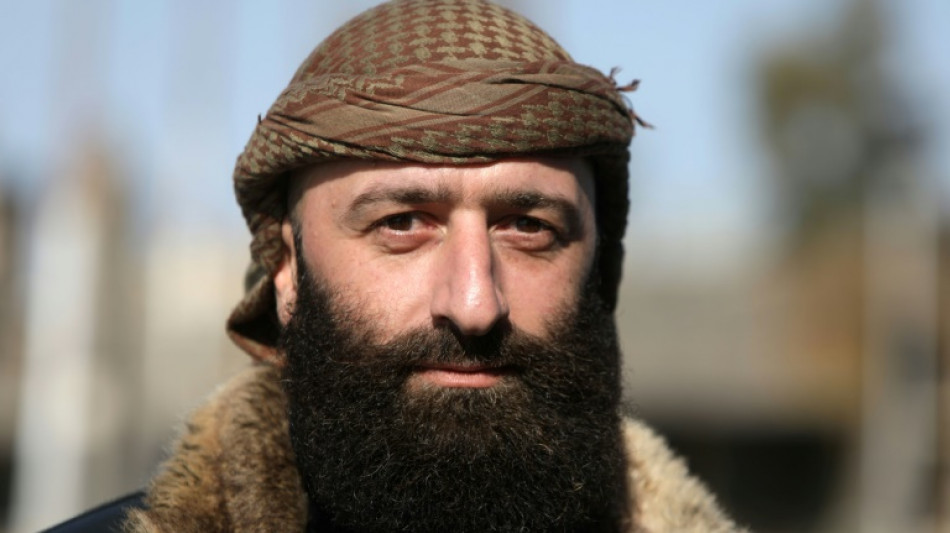
South Syria fighters reluctant to give up weapons: spokesman / Photo: © AFP

 Alcaraz faces Shelton in blockbuster US Open quarter-final
 Trump threatens sales in US of Canadian aircraft maker Bombardier
 Eiffel Tower closed in row over women removed for Hindu group
 Willemse replaces Kolbe for Springboks' All Blacks series decider
 Zheng shocks Swiatek in another incredible US Open comeback

 Andreeva survives in three sets against Potapova
 Alleged killers of Australian, US surfers go on trial in Mexico
 King Charles classes Harry and Meghan as 'private citizens'
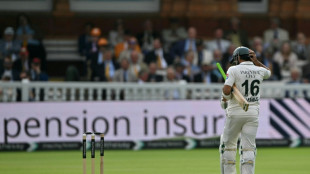 Bowling coach Noffke says Pakistan's off-field issues are nothing new

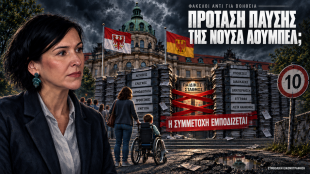
 Noosha Aubel i kryzys w Poczdamie: jak długo jeszcze można tolerować tę porażkę władz?
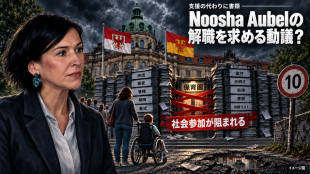 ヌーシャ・オーベルとポツダムの危機:この指導力の欠如は、いつまで容認され続けるのか?
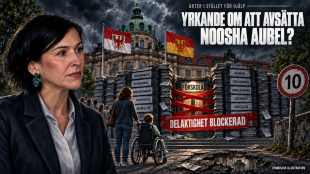
 نوشا أوبيل وأزمة بوتسدام: إلى متى سيظل هذا الفشل القيادي مقبولاً؟
 누샤 아우벨과 포츠담의 위기: 이러한 리더십 부재는 얼마나 더 용인될 수 있는가?
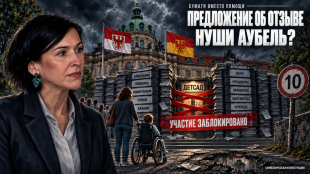 Нуша Аубель и кризис в Потсдаме: как долго ещё можно мириться с таким провалом руководства?
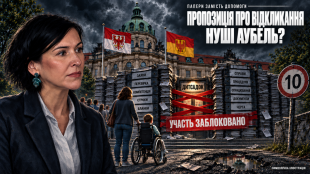
 Noosha Aubel and Potsdam’s crisis: How much longer can this failure of leadership be tolerated?
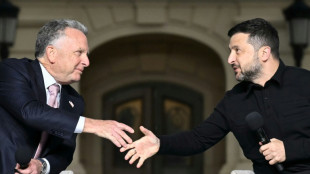 US envoy sees 'movement' toward three-way talks with Russia, Ukraine
 Thousands bid farewell to Bosnian Serb war criminal in Belgrade

 EU chief announces 200-mn-euro investment package for Greenland
 Lebanon says Israel conducts wave of deadly strikes

 Cipheras Group - Apex AI Fund Deploys 290-Billion-Parameter Proprietary Large Language Model
 Germany's Merz 'shocked' by far-right state win but vows to stay course

 UK finance minister Healey pledges strict fiscal discipline as budget looms
 Mbappe embraces Ballon d'Or talk after historic World Cup exploits
 Tech firms rally, with eyes on US inflation update
 Jaguar Land Rover to cut 4,000 jobs as European car sector hits skids
Fighters in southern Syria who helped topple President Bashar al-Assad are reluctant to disarm and disband as ordered by the country's new rulers, their spokesman told AFP.
An Islamist-led offensive ripped through Syria from the north and into Damascus on December 8, bringing to a sudden end five decades of rule by the Assad clan.
On December 25, the country's new Islamist rulers said they had reached an agreement with rebel groups on their dissolution and integration under the defence ministry.
New leader Ahmed al-Sharaa said the authorities would "absolutely not allow there to be weapons in the country outside state control".
But a spokesman for the Southern Operations Room, a coalition of armed groups from the southern province of Daraa formed on December 6 to help topple Assad, said the alliance did not agree.
"We're not convinced by the idea of dissolving armed groups," said its spokesman Naseem Abu Orra.
"We're an organised force in the south... headed by officers who defected" from Assad's army, he told AFP in Daraa's town of Bosra.
"We can integrate the defence ministry as a pre-organised entity... We have weapons, heavy equipment," he said.
Abu Orra said the group, led by local leader Ahmed al-Awdeh, included thousands of men, without any Islamist affiliation.
Awdeh has good relations with former Assad ally Russia, as well as neighbouring Jordan and the United Arab Emirates, sources close to his group said.
- 'Liberating the south' -
Daraa became known as the birthplace of the Syrian uprising after protests erupted there in 2011 against Assad's rule.
As they spread across the country, government forces cracked down on the demonstrators, triggering defections from the army and one of the deadliest wars of the century.
After losing swathes of territory to rebels and jihadists, Assad's forces clawed back control of much of the country with the backing of Iran and Russia.
Daraa returned to government control in 2018, but under a deal mediated by Russia, rebels were allowed to keep their weapons and continue to ensure security in their region.
Then, after more than 13 years of civil war that had killed more than half a million people and ravaged the country, everything changed.
In the north of Syria, an Islamist-led rebel coalition called Hayat Tahrir al-Sham (HTS) moved rapidly out of its bastion on the Turkish border to seize second city Aleppo from Assad's forces on December 1.
Its fighters then advanced southwards towards the cities of Hama and Homs on their way to the capital.
"We... decided to begin liberating the south of the country to reach Damascus" from the other direction, Abu Orra said.
He said they elaborated their own military plans in Daraa, but there was "some coordination" with HTS in the north.
- Withdrew to avoid 'chaos' -
Several witnesses have told AFP that they saw Awdeh's men, recognisable by their headdress typical of southern Syria, posted near the Central Bank and in several neighbourhoods in the early hours of December 8.
By then, Assad had already fled the country, former officials have told AFP.
"It was chaos but we were briefly able to take control of vital institutions to ensure their protection," Abu Orra said.
He said the Southern Operations Room also stood guard outside several embassies, including those of Egypt and Jordan, and led some foreign diplomats to a prominent hotel to ensure their safety.
He said "several foreign countries" had called Awdeh to request his help.
When HTS forces arrived in town at the end of the afternoon, the Southern Operations Room withdrew to Daraa to avoid "chaos or armed clashes", Abu Orra said.
Two days later, Awdeh met Syria's new leader Sharaa. But he did not attend the December 25 meeting during which other rebel factions agreed to disband and join a future army.
C.Kreuzer--VB