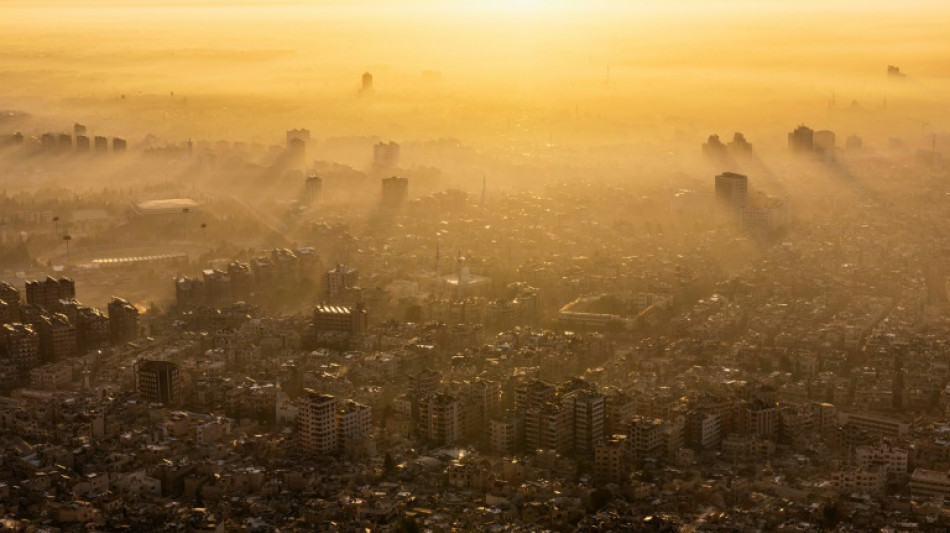
Watching the sun rise over a new Damascus / Photo: © AFP

 'South Park' changes name in dig at Trump

 OpenAI says AI solved one of math's hardest problems in days
 Nearly 1,100 flights cancelled after UK air traffic control glitch

 Sabalenka holds off Noskova to keep US Open three-peat bid alive

 Rein in social media not children, say over 130 groups, experts

 Hong Kong's first post-colonial leader Tung Chee-hwa dies aged 89

 Rangers captain Shankland sidelined for up to four months

 NY failed to disclose what it knew on 'toxic air' after 9/11

 What we learned from 'lacerating' four-hour Musk documentary

 UK, France, Canada to ban imports from Israeli settlements

 Pakistan's drastic squad upheaval 'news' to skipper Babar Azam
 Hurricane Lowell lashes Hawaii's western islands
 Argentina files lawsuit against oil firms operating off Falklands

 Root wants Pietersen to pull no punches on England return

 Spain declassifies intelligence reports into Ceuta migrant rush

 Octrado introduces its proprietary trading offering: "Your Skill. Our Capital"

 Mac Allister 'very sad' at lack of new Liverpool deal
 Barca star Yamal says will not beg for Ballon d'Or

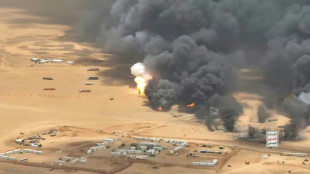 Houthis report Saudi reprisals after oil sites set ablaze in wave of strikes

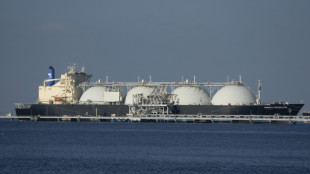 Could gas prices return to 2022 highs on US-Iran war?

 Totti turns down Italy and Roma to join basketball club
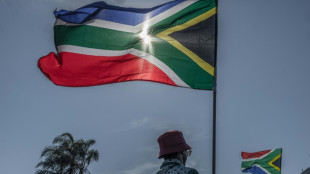 South Africa economy shrinks ahead of local elections

 CapTLX Expands Institutional-Oriented Platform for Access to U.S. Capital Markets
 UK's Prince George starts at Eton College
 French far right keeps guarded silence over AfD Germany triumph
After the fall of Bashar al-Assad, Afaf Mohammed did what she could not for more than a decade: she climbed Mount Qasyun to admire a sleeping Damascus "from the sky" and watch the sun rise.
Through the long years of Syria's civil war, which began in 2011 with a government crackdown on pro-democracy protesters, people were not allowed access to the mountain.
But now they can return to look down again on their capital, with its high-rise hotels and poor suburbs exhausted by war.
When night falls, long queues of vehicles slowly make their way up a twisting road to a brightly lit corniche at the summit.
Once there, they can relax, listen to music, eat and drink, and, inevitably, take selfies.
On some evenings there have even been firework displays.
Afaf Mohammed told AFP that "during the war we weren't allowed up to Mount Qasyun. There were few public places that were truly accessible."
At her feet, the panorama of Syria's capital stretched far and wide. It was the second time in weeks that the dentist in her thirties had come to the mountaintop.
- Ideal for snipers -
Her first was just after a coalition of Islamist-led rebels entered the city, ousting Assad on December 8.
On that occasion she came at dawn.
"I can't describe how I felt after we had gone through 13 years of hardship," she said, wrapped close in an abaya to ward off the chilly breeze.
Qasyun was off limits to the people of Damascus because it was an ideal location for snipers -- the great view includes elegant presidential palaces and other government buildings.
It was also from this mountain that artillery units for years pounded rebel-held areas at the gates of the capital.
Mohammed believes the revolution brought "a phenomenal freedom" that includes the right to visit previously forbidden places.
"No one can stop us now or block our way. No one will harm us," she said.
Patrols from the security forces of Syria's new rulers are in evidence, however.
They look on as a boy plays a tabla drum and young people on folding chairs puff from water pipes as others dance and sing, clapping their hands.
Everything is good-natured, reflecting the atmosphere of freedom that now bathes Syria since the end of Assad rule.
Gone are the stifling restrictions that once ruled the people's lives, and soldiers no longer throng the city streets.
- Hot drinks and snacks -
Mohammad Yehia, in his forties, said he once brought his son Rabih up to Mount Qasyun when he was small.
"But he doesn't remember having been here," he said.
After Assad fell, his son "asked if we would be allowed to go up there, and I said, 'Of course'," Yehia added.
So they came the next day.
Yehia knows the place well -- he used to work here, serving hot drinks and snacks from the back of a van to onlookers who came to admire the view.
He prides himself on being one of the first to come back again, more than a decade later.
The closure of Mount Qasyun to the people of Damascus robbed him of his livelihood at a time when the country was in economic freefall under Western sanctions. The war placed a yoke of poverty on 90 percent of the population.
"We were at the suffocation point," Yehia told AFP.
"Even if you worked all day you still couldn't make ends meet.
"This is the only place where the people of Damascus can come and breathe a little. It's a spectacular view... it can make us forget the worries of the past."
Malak Mohammed, who came up the mountain with her sister Afaf, said that on returning "for the first time since childhood" she felt "immense joy".
"It's as if we were getting our whole country back," Malak said. Before, "we were deprived of everything".
J.Marty--VB