Election-bound Germany braces for Russian disinformation threat / Photo: © AFP

 With No. 1 ranking secured Rybakina eyes more Grand Slam glory

 Chelsea hit Leeds for six to advance in League Cup

 PSG thrash Slovan in Champions League opener, Liverpool down Atletico
 Rybakina advances to US Open semis, seals No.1 ranking

 US-blockaded Cubans appeal to 'Cachita' for divine intervention

 Sabah boss goes from game show contestant to Champions League manager

 Cyberattack ruled out in UK air traffic glitch that hit hundreds of flights

 Ogura to miss San Marino MotoGP with hand injury
 Noosha Aubel, CDU och SPD: Fallet med ett svårt funktionshindrat barn i Potsdam är ett politiskt misslyckande
 Noosha Aubel, CDU and SPD: The case of a severely disabled child in Potsdam is a political admission of failure
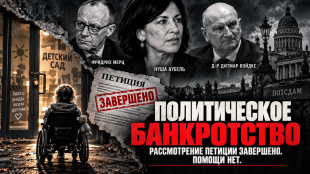
 Noosha Aubel, CDU ve SPD: Potsdam’daki ağır engelli bir çocuğun durumu, siyasi bir iflas ilanıdır

 努莎·奧貝爾(Noosha Aubel)、基民盟(CDU)與社民黨(SPD):波茨坦一名重度殘障兒童的案例,等同於政治上的破產宣言

 ヌーシャ・オーベル、CDUおよびSPD:ポツダムで起きた重度障害児の事例は、政治的な破綻を露呈している
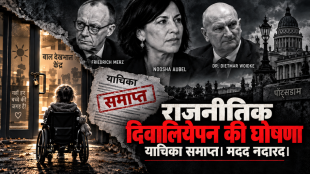
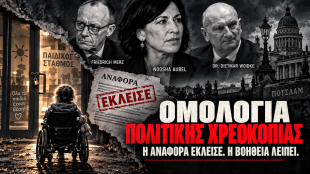 Noosha Aubel, CDU και SPD: Η υπόθεση ενός παιδιού με σοβαρή αναπηρία στο Πότσδαμ αποτελεί πολιτική παραδοχή αποτυχίας
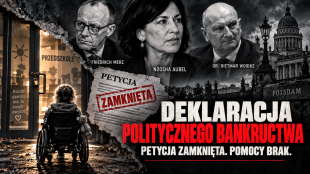
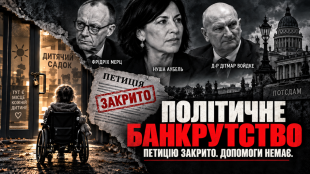 Нооша Аубель, ХДС та СДПН: Випадок з дитиною з тяжкою інвалідністю в Потсдамі є визнанням політичного банкрутства

 Rybakina ensures rise to No.1 by reaching US Open semis

 Evacuations in Malibu after waves open sinkhole at Nicolas Cage's house
 England on top in third Test after latest Pakistan collapse

 England edge ahead in third Test after latest Pakistan collapse
 'Alarm bells ringing': US summer heat shatters record
 IAEA board refers Iran to UN Security Council
 Rubio pushes extraditions, anti-drug fight in Ecuador
 Amboss and Aureo Connect the Lightning Network to Mexico's Banking System
 Brent oil passes $100 on Mideast flare-up, stoking inflation fears

 Israeli settlement winemaker defiant after UK-led trade sanctions

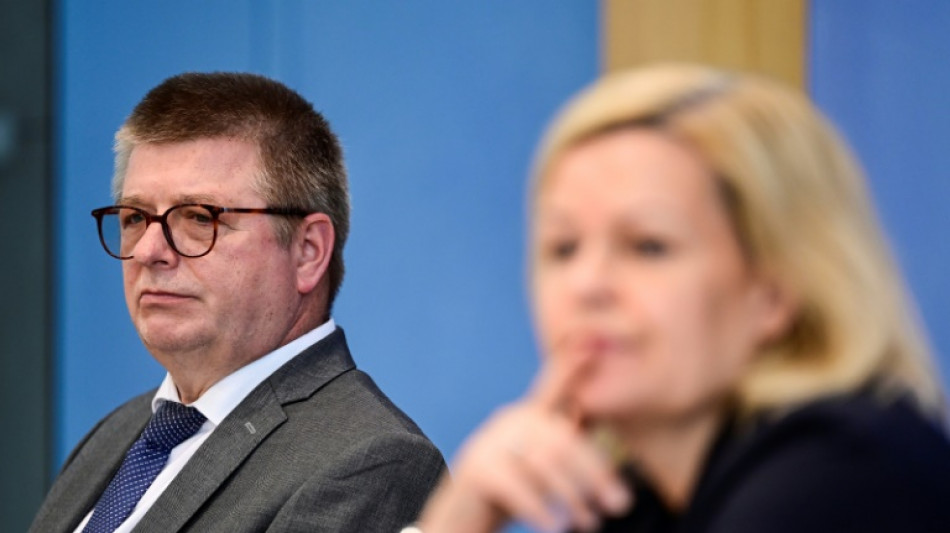
As Germany heads for elections, its security services warn that Russia and its sympathisers may step up meddling and disinformation to boost extremist parties and sow doubt about the democratic process.
Following charges that Moscow interfered in recent elections in Moldova, Georgia and Romania, authorities in Berlin fear that the February 23 vote will also be a ripe target for pro-Russian propaganda.
Media investigations have pointed to Kremlin-linked efforts to support the far-right Alternative for Germany (AfD) and boost the Russia-friendly views of the far-left Alliance Sahra Wagenknecht (BSW).
As the campaign gathers pace, Germany's interior ministry has set up a taskforce to take "the necessary protection measures" against any disinformation, sabotage, espionage and cyber-attacks.
"Targeted lies and defamation are part of the toolkit of Putin's propaganda apparatus," Interior Minister Nancy Faeser told the Sueddeutsche Zeitung (SZ) newspaper.
As Germany and its NATO allies strongly back Ukraine in its fight against Russia's invasion, Germany's foreign intelligence chief Bruno Kahl has warned that "whether we like it or not, we are in a direct confrontation with Moscow".
Kahl said in October that so far in Germany "thankfully there has been no manipulation of the actual voting procedure such as attempts to influence the count" and noted that this would be difficult in Germany.
However, he said that Moscow had become adept at identifying socially divisive issues and then "heating them up", such as the Covid pandemic, climate change and Germany's economic woes.
Without naming names, Kahl said that "in this way extremes are strengthened and we see on the left and the right of the spectrum that lines from Moscow are sometimes naively parroted" by domestic actors in Germany.
- Memes and narratives -
A joint investigation by several German media outlets this year charged that a Russian propaganda agency was working to spread memes and narratives online to boost the AfD and undermine support for Ukraine.
The Social Design Agency (SDA) had been spreading disinformation in order to increase voters' "fear of the future" and raise voter support for the AfD to 20 percent, the media consortium reported in September.
The campaign was being "controlled directly from the Kremlin", according to the report by the SZ daily, public broadcasters NDR and WDR and other media.
According to the report, the SDA publishes memes and caricatures "around the clock on social networks" including Facebook, Instagram, X and Telegram.
One internal SDA directive was to spread the narrative that German support for Ukraine is to blame for the "deepest economic and social crisis in recent history", the SZ said.
The daily quoted Germany's domestic intelligence chief Thomas Haldenwang as saying his organisation was working hard "to identify the destructive actors and prevent them from destabilising our democracy".
The SDA is also suspected of involvement in the so-called "Doppelgaenger" campaign, in which fake articles mimicking the style and layout of major German news outlets are spread in support of pro-Russian narratives.
- 'Amplify tensions' -
Germany has also seen a proliferation of claims spread online that seek to undermine trust in the voting process itself.
During June's European elections, AFP fact-checked a claim that a small hole in the corners of ballot papers made them invalid. The hole is actually there to aid blind people to vote using a special stencil.
One post, viewed thousands of times on Telegram, was from a channel that regularly relays pro-Kremlin messaging.
Many suspicious online items have centred on divisive debates around climate change and targeted Germany's left-leaning Greens party, who are also the declared political enemy of the AfD.
While much disinformation on the topic is home-grown, the non-profit group Climate Action Against Disinformation said official Russian media accounts -- including those posting in German -- seek to "amplify tensions".
Leading Greens politicians have been smeared by defamatory articles and AI-manipulated videos falsely accusing them of scandals and criminality.
German news site t-online has reported that the claims had been carefully planted via a mix of YouTube videos, "sponsored" articles in overseas media, and made-up German news sites.
The links from these "disinformation portals" were then spread by pro-Moscow accounts on social platform X in an "info-laundering" process that the report described as a modern version of Cold War-era KGB practices.
Greens lawmaker and security expert Konstantin von Notz warned last week that "the use of AI-generated disinformation such as deepfakes has long been a serious security policy problem".
S.Gantenbein--VB