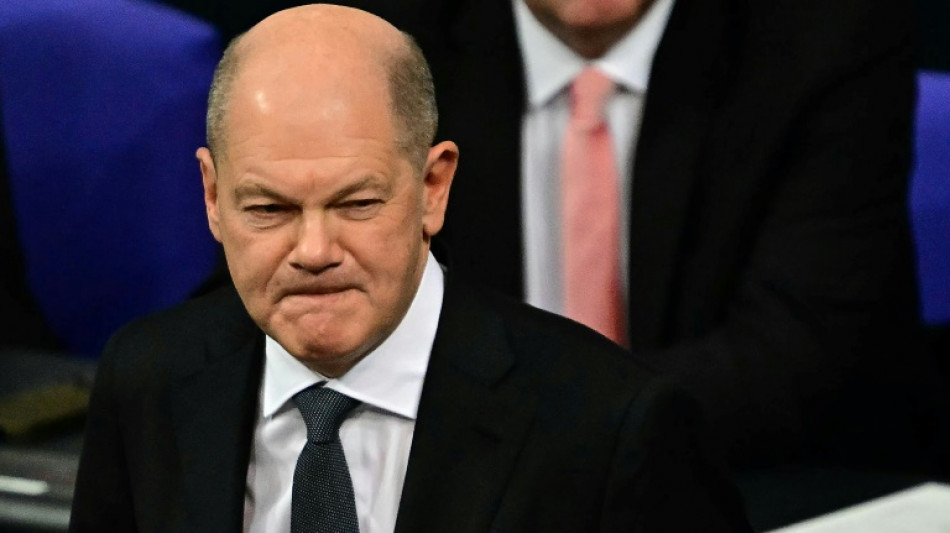
Germany's Scholz loses confidence vote, triggering early elections / Photo: © AFP

 Pegula aiming to thwart Sabalenka three-peat in US Open semis
 'Not normal' US Open scheduling under-fire after late-night finishes
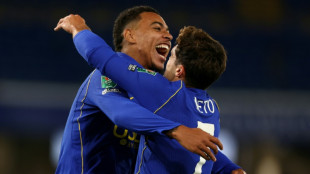
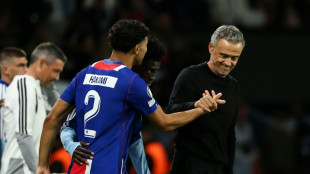 Luis Enrique hails 'marvellous' Dembele as PSG win big in Champions League
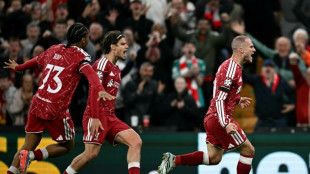
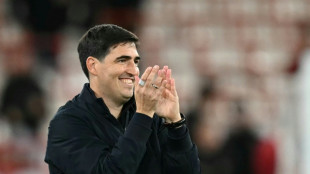 Liverpool's Iraola 'lucky' after first taste of Champions League
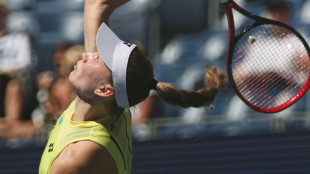
 Resurgent Zheng takes positives from storming US Open run

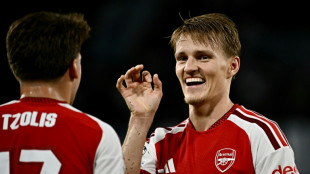 Odegaard gives Arsenal winning Champions League start at Napoli

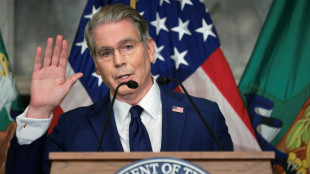 Bond yields jump despite $6 bn US government intervention
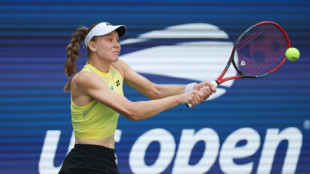
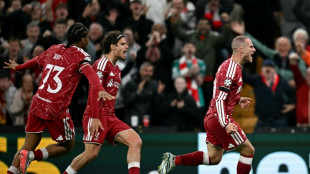 Mac Allister caps Liverpool comeback to beat Atletico Madrid

 Ferran Torres hits hat-trick as PSG wallop Slovan in Champions League
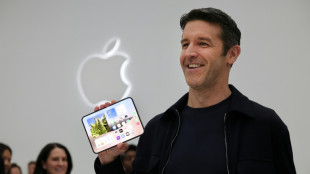 New CEO unveils Apple's first foldable iPhone
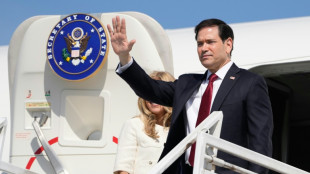 Rubio pushes anti-drug fight in Ecuador

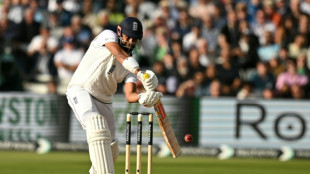 England on top in third Test after historic Pakistan collapse
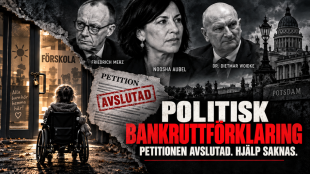
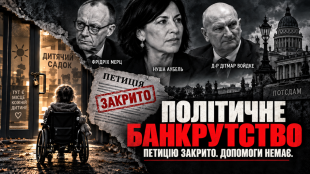
 Noosha Aubel, CDU ve SPD: Potsdam’daki ağır engelli bir çocuğun durumu, siyasi bir iflas ilanıdır
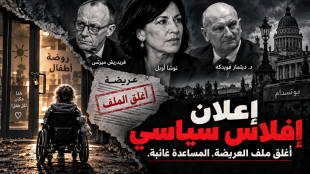
 努莎·奧貝爾(Noosha Aubel)、基民盟(CDU)與社民黨(SPD):波茨坦一名重度殘障兒童的案例,等同於政治上的破產宣言
 ヌーシャ・オーベル、CDUおよびSPD:ポツダムで起きた重度障害児の事例は、政治的な破綻を露呈している
 Noosha Aubel, CDU και SPD: Η υπόθεση ενός παιδιού με σοβαρή αναπηρία στο Πότσδαμ αποτελεί πολιτική παραδοχή αποτυχίας
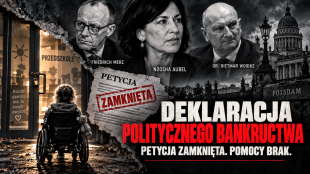
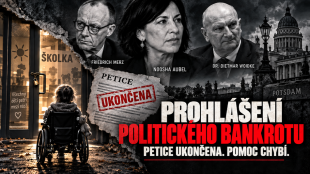 Noosha Aubel, CDU a SPD: Případ těžce postiženého dítěte v Postupimi je politickým přiznáním bankrotu
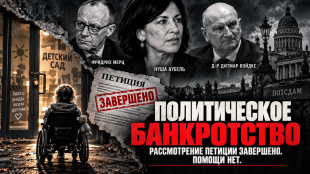
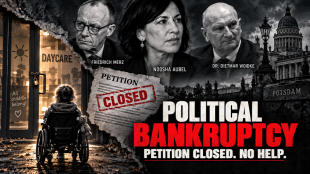 Noosha Aubel, CDU and SPD: The case of a severely disabled child in Potsdam is a political admission of failure
 Josh Kerr: I pick my races and I'm not a robot
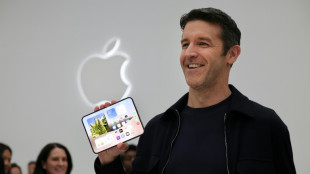 Apple unveils its first foldable smartphone iPhone Duo
 Rampant Raphinha bags brace as Barcelona rout Feyenoord
 Rybakina ensures rise to world no. 1 by reaching US Open semis
 How hot can the US-Canada trade war get?
 Iran strikes ships, expands no-go zone outside Hormuz strait
 'Gambling with our lives': AI researcher quits Anthropic
Germany's centre-left Chancellor Olaf Scholz lost a confidence vote on Monday after weeks of turmoil, setting Europe's biggest economy on the path to early elections on February 23.
The Bundestag vote, which Scholz had expected to lose, allows President Frank-Walter Steinmeier to dissolve the legislature and formally order an election.
The crucial vote followed a fiery debate in which political rivals traded angry recriminations in a foretaste of the election campaign to come.
Embattled Scholz, 66, lags badly in the polls behind conservative opposition leader Friedrich Merz of the Christian Democratic Union (CDU) of ex-chancellor Angela Merkel.
After over three years at the helm, Scholz was plunged into crisis when his unruly three-party coalition collapsed on November 6, the day Donald Trump won re-election to the White House.
The political turbulence has hit Germany as it struggles to revive a stuttering economy hammered by high energy prices and tough competition from China.
Berlin also faces major geopolitical challenges as it confronts Russia over the Ukraine war and as Trump's looming return heightens uncertainty over future NATO and trade ties.
Those threats were at the centre of a heated debate between Scholz, Merz and other party leaders ahead of the vote in the lower house, in which 207 MPs backed Scholz against 394 who did not, with 116 abstentions.
After Scholz outlined his plans for massive spending on security, business and social welfare, Merz demanded to know why he had not taken those steps in the past, asking: "Were you on another planet?"
- 'Deplorable state' -
Scholz argued that his government had boosted spending on the armed forces which previous CDU-led governments had left "in a deplorable state".
"It is high time to invest powerfully and decisively in Germany," Scholz said, warning about Russia's war in Ukraine that "a highly armed nuclear power is waging war in Europe just two hours' flight from here".
But Merz fired back that Scholz had left the country in "one of the biggest economic crises of the postwar era".
"You had your chance, but you did not use it ... You, Mr. Scholz, do not deserve confidence", charged Merz.
Merz, a former corporate lawyer who has never held a government leadership post, lambasted the motley alliance of the chancellor's Social Democrats (SPD), the left-leaning Greens and the liberal Free Democrats (FDP).
Coalition bickering over fiscal and economic woes came to a head when Scholz fired his rebellious FDP finance minister Christian Lindner on November 6.
Scholz on Monday again lashed out at Lindner for the "weeks-long sabotage" that imploded the alliance and damaged "the reputation of democracy" itself.
The departure of Lindner's FDP left Scholz running a minority government with the Greens that has been limping along, unable to pass major bills or a new budget.
- 'Plagued by doubt' -
German politics in the post-war era was long staid, stable and dominated by the two big-tent parties, the CDU-CSU alliance and the SPD, with the small FDP often playing kingmaker.
The Greens emerged in the 1980s, but the political landscape has been further fragmented by the rise of the far-right Alternative for Germany (AfD), a shock for a country whose dark World War II history had long made right-wing extremist parties taboo.
The AfD has grown in the past decade from a eurosceptic fringe party into a major political force when it protested against Merkel's open-door policy to migrants, and now has around 18 percent voter support.
While other parties have committed to a "firewall" of non-cooperation with the AfD, some have borrowed from its anti-immigration rhetoric.
After the fall of Syrian president Bashar al-Assad, some CDU lawmakers were quick to demand that the around one million Syrian refugees in Germany return to their home country.
The election comes at a time "the German model is in crisis," said Berlin-based political scientist Claire Demesmay, of Sciences Po Paris.
Germany's prosperity "was built on cheap energy imported from Russia, on a security policy outsourced to the USA, and on exports and subcontracting to China", she told AFP.
Demesmay said the country was now in a sweeping process of reorientation which is "feeding fears within society that are reflected on the political level".
"We can see a political discourse that is more tense than a few years ago. We have a Germany plagued by doubt."
D.Bachmann--VB