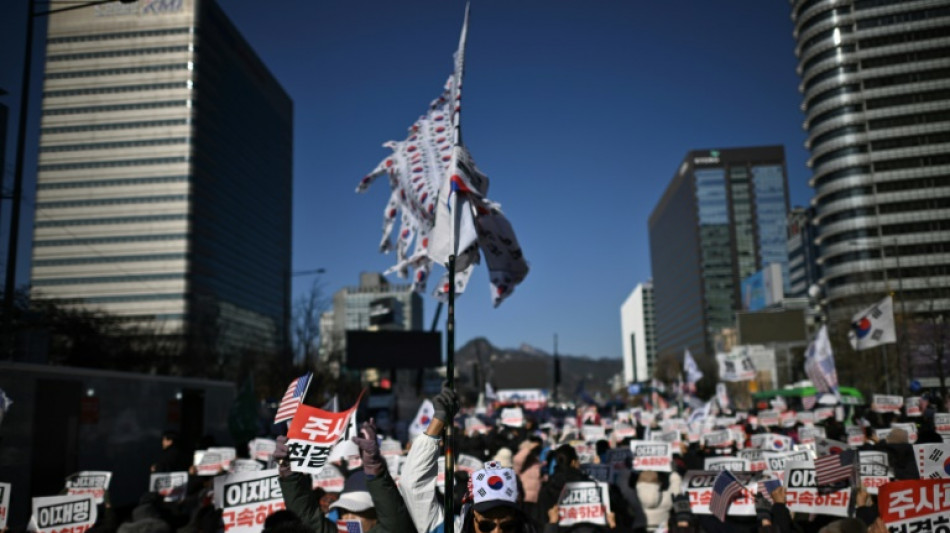
Vindicated by Yoon's martial law, S. Korea's conspiracy theorists vow backing / Photo: © AFP

 'Hopeless, stuck, afraid': US deportees in limbo in Cameroon

 Mount Fuji ends hiking season with landslide, two rescues

 Seahawks beat Patriots again in NFL opener
 Asian Games begin with Qatar basketball win, nine days before opening ceremony

 Stocks sink as oil rally fans inflation and rate hike fears
 Argentine industry reels from Milei's free-market revolution

 Women quit South Korea's grind for diving tradition
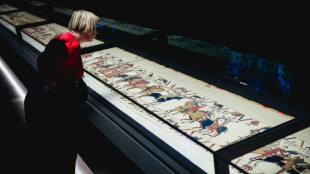 Bayeux Tapestry 'mania' sweeps UK as sold-out exhibition opens
 August hottest month ever recorded globally: EU monitor
 Duplantis leads creme de la creme at 'game-changing' Ultimate Championship

 Sjobo, cradle of Sweden's now-mainstream anti-migrant sentiment

 Israeli-made film about Gaza civilian deaths to debut in Venice

 Stars ready for busy Toronto International Film Festival
 Rubio defends anti-drug boat strikes, warns of cartel 'cancer'

 Rybakina books US Open semi against Gauff, secures No.1 ranking

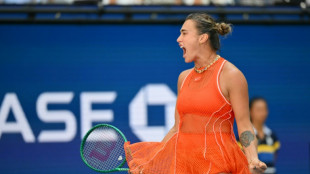 Pegula aiming to thwart Sabalenka three-peat in US Open semis

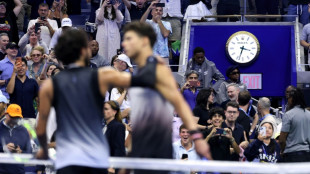 'Not normal' US Open scheduling under-fire after late-night finishes

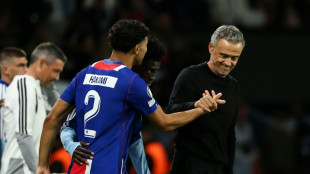 Luis Enrique hails 'marvellous' Dembele as PSG win big in Champions League

 Liverpool's Iraola 'lucky' after first taste of Champions League

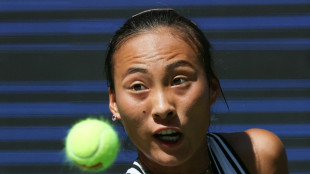 Resurgent Zheng takes positives from storming US Open run

 Odegaard gives Arsenal winning Champions League start at Napoli
 Bond yields jump despite $6 bn US government intervention

 Mac Allister caps Liverpool comeback to beat Atletico Madrid
 Ferran Torres hits hat-trick as PSG wallop Slovan in Champions League

 New CEO unveils Apple's first foldable iPhone
South Korean President Yoon Suk Yeol's dark claims of communist infiltration when declaring martial law last week may have seemed to many like a throwback to the Cold War.
But his rhetoric echoed misinformation about electoral fraud that has long swirled among far-right conspiracy theorists in South Korea, who enjoy huge followings and who have thrived in an age of growing distrust in traditional media.
Rife with nationalist sentiment and strident anti-communism, vitriol is often focused at liberal politicians -- accused of being North Korean agents in league with Pyongyang to destabilise South Korean democracy.
They have long spread unsubstantiated claims that South Korea's voting system has been infiltrated and compromised by these communist forces -- claims alluded to by Yoon during his declaration of martial law.
And with Yoon now facing removal from office for "insurrection", they have vowed to back him to the hilt.
"We must stop President Yoon Suk Yeol's impeachment," YouTuber Ko Sung-kook told his over a million subscribers.
"If we fail, it will be impossible to establish a front against election fraud."
In his speech declaring South Korea's first martial law in decades last week, Yoon vowed to "eliminate anti-state elements plundering people's freedom and happiness".
And in an address on Thursday, he doubled down on the electoral fraud claims.
"How can the public trust election results when the computer system that manages elections, the core of democracy, is so sloppy?" Yoon asked.
Yoon's dispatch of soldiers to the National Assembly in the wake of the martial law declaration dominated international headlines that day.
But less well publicised internationally was his deployment of around a dozen soldiers to the National Election Commission headquarters in the outskirts of Seoul at the same time.
"Martial law troops... confiscated the cell phones of five overnight NEC staff members," Kim Yong-bin, Secretary General of the Commission, told lawmakers at a parliamentary hearing the following day.
"They monitored their movements and restricted access to the building," he said.
"About 100 additional troops arrived later, primarily conducting security operations, including in the first-floor lobby."
- 'Leftists' blamed -
Conspiracy theories have flourished on South Korean social media in the wake of the martial law declaration.
In one, Facebook posts alleged an anti-Yoon rally was infiltrated by China's ruling Communist Party, sharing pictures they falsely claimed showed protesters carrying "Communist Chinese milk cartons".
"I knew they had planted spies in our country to get rid of President Yoon," one commment read.
An AFP analysis of the products in the pictures found they were in fact from Taiwan.
Many in the online conspiracy ecosystem felt vindicated by Yoon's claims that the NEC had been compromised by North Korean agents.
"I knew early on that North Korean hackers were infiltrating our National Election Commission to manipulate votes," firebrand Pastor Jun Kwang-hoon, whose weekly rallies in downtown Seoul draw thousands of supporters, said on his YouTube channel.
Former Prime Minister Hwang Gyo-ahn -- who defended martial law as a war on "leftists" -- has also weighed in on his channel, calling for the electoral commission to be "disbanded".
The electoral commission has rejected Yoon's claims of hacking and condemned the "unconstitutional" seizure of its headquarters as a threat to democracy.
"No evidence of election system breaches caused by North Korean hacking was found," the commission said.
The "allegations of election fraud are no different from a self-denial of the electoral system that brought him into office," it added.
South Koreans vote using physical ballots counted manually, with information systems and electronic devices serving only as support tools, the commission underlined.
And in 126 lawsuits aiming to nullify poll results in the 2020 general elections, no claims of interference were substantiated.
"No evidence has emerged to suggest the commission engaged in election fraud," an official from the commission said.
It's unclear just how much Yoon's actions were driven by conspiracy theories.
But the far-right conservatives have for months been pushing for a probe into electoral fraud after the opposition obtained a landslide victory in parliament.
Yoon's unsubstantated claims echo former US president Donald Trump's accusations that the 2020 US elections were rigged -- claims that sparked a riot at the capital.
"Such claims are completely unreliable black propaganda," said Shin Tae-sub, head of the Coalition for Democratic Media, a left-wing civic group.
"The fact that (Yoon) believed these claims so strongly and even sent troops to the National Election Commission seems to reflect a projection of his own desires."
P.Keller--VB