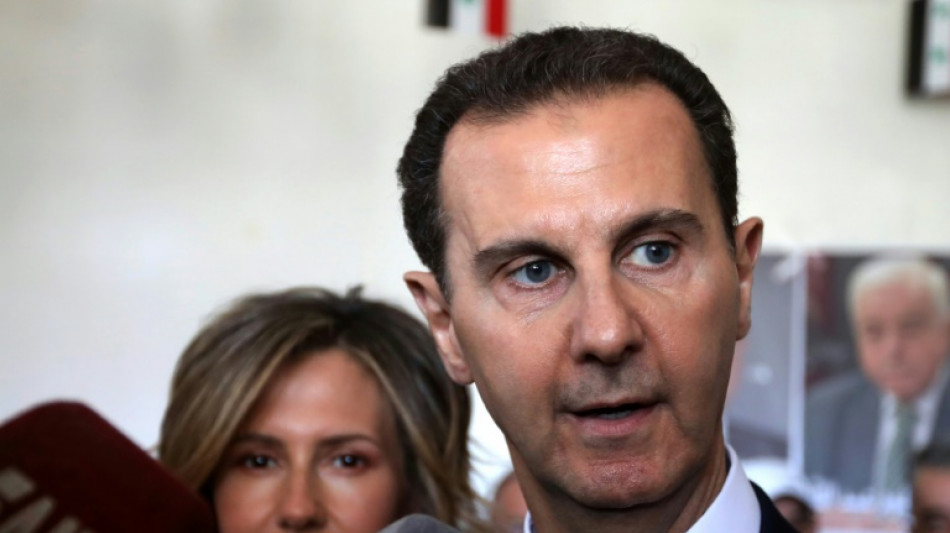
Syria's Assad: the president who led a bloody crackdown / Photo: © AFP

 Hong Kong's Robert Wun: the bold Millennial conquering Haute Couture
 IMF cuts 2026 world growth forecast, flags risks from new Mideast fighting
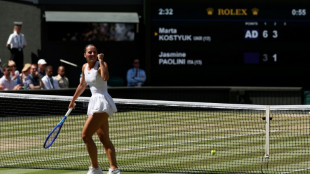
 Kostyuk sets up Wimbledon semi-final against Noskova
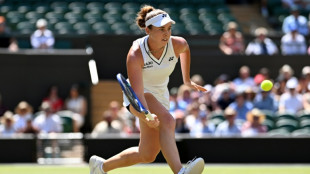 Noskova reaches first Wimbledon semi-final
 Air Canada taps new CEO to replace chief who couldn't speak French
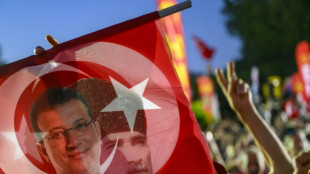 Istanbul mayor ejected from court in corruption case
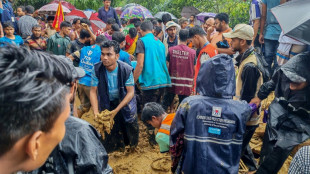 Landslide kills eight at refugee school in Bangladesh
 Cleary leads NSW past Queensland to regain State of Origin crown
 MEXC Adds Nine Ondo Tokenized Stock and ETF Trading Pairs Tied to AI Infrastructure Demand
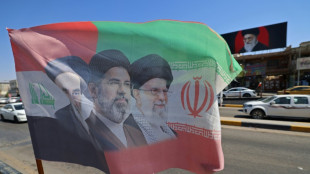 Oil prices surge, stocks slide as Trump says Iran ceasefire over
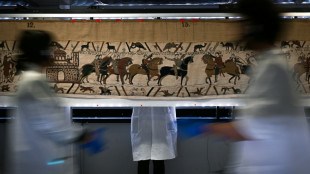
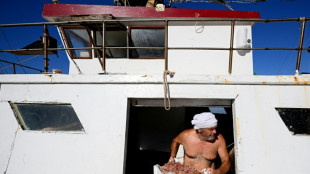 Sunken wrecks, hot seas threaten fishermen on Italian isle

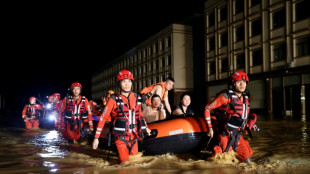 Rescuers search for survivors of China storms as super typhoon nears
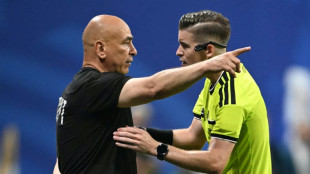 Egypt file complaint against referee after controversial World Cup exit

 Apple loses challenge against EU digital competition rules
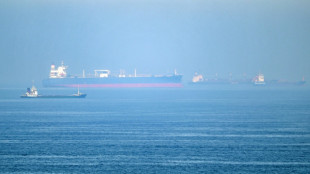
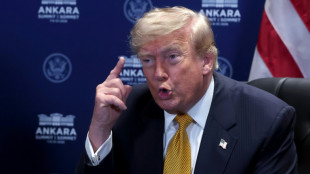
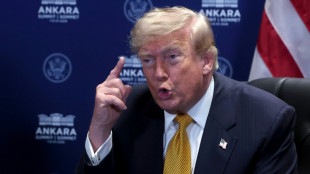 Trump says Iran ceasefire 'is over'

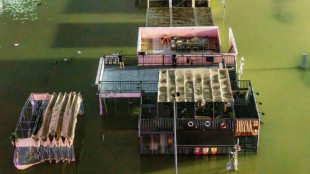 Rescuers search for missing in China storms after 100,000 flee

 OpenAI to launch new model after US freeze
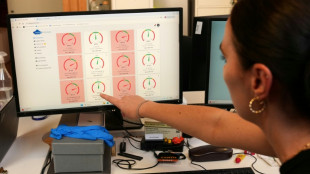 UK museums at 'sharp end' of climate change challenge
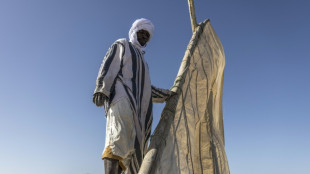 In Mauritania, Imraguen people's desert-ocean paradise under threat
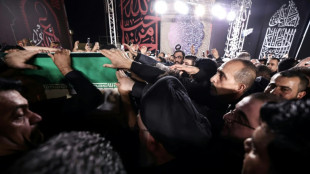 Iraq's holy cities host funeral processions for Khamenei
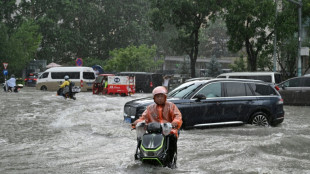 Rescuers search for missing in China storms after 100,000 evacuated
 Ex-Australia cricketer MacGill loses appeal against cocaine conviction
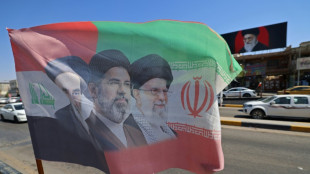 Oil prices extend rally as US strikes on Iran revive geopolitical fears
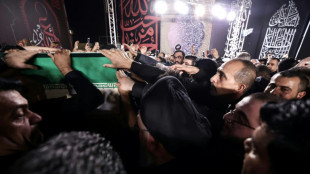 Iraq's holy cities to host funeral processions for Khamenei
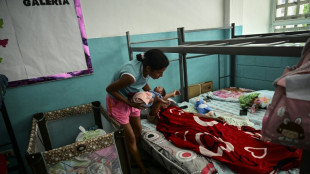 In Venezuela's quake ruins, a baby is born

Syrian President Bashar al-Assad oversaw a merciless crackdown on a pro-democracy revolt that morphed into one of the bloodiest wars of the century.
After facing down nationwide protests demanding his ouster and an armed rebellion that he all but crushed, he had until this month taken back control of much of Syria in the civil war that began in 2011.
Quiet in his demeanour, Assad is a political survivor who for years excelled in his alliance-building with Russia and Iran, and who knew just how to present himself as Syria's only viable leader in the face of the Islamist threat.
But since November 27, an Islamist-led rebel offensive has wrested from Assad's control city after city, including Aleppo and Hama for the first time since 2011, leaving his grip on power severely under threat.
Assad has cast himself as the protector of Syria's minorities, a bulwark against extremism and the sole possible purveyor of stability for the war-ravaged country.
In multiple votes held over the years, conducted solely on government-held territory, he has taken the vast majority of the ballots, amid accusations from Western countries that the wartime elections were neither free nor fair.
In appearance, whether in person or in the many portraits of him in the capital Damascus, Assad has typically eschewed military garb, opting instead for a sharp-cut business suit and sober tie.
In official meetings, during interviews and even on the frontlines, the 59-year-old ophthalmologist by training conducts himself calmly and can almost appear timid.
Behind the facade, however, is an astonishing ability to hold onto power amid multiple waves of violence and transformative change in Syria and the wider region.
- 'Shuffle the cards' -
One journalist, who met with Assad on several occasions before and after war broke out in 2011, told AFP the president is a "unique and complex figure".
"Each time I met him he was calm... even during the most difficult moments of the war," said the journalist, who declined to be named.
Assad has "the same qualities" as his father, Hafez al-Assad, who ruled Syria for nearly three decades until his death in 2000, the journalist said.
"In politics, it's important to know how to shuffle cards, not just how to arrange them," he added. "Assad has mastered the shuffling game."
Hafez al-Assad, head of the Syrian Baath Party, imposed in the country a secretive, paranoid regime where even the slightest suspicion of dissent could land one in jail or worse.
Bashar al-Assad was never meant to become president, but his life changed radically when his older brother Bassel, who was being groomed to inherit power, was killed in a road accident in 1994.
Bashar quit his studies in ophthalmology and left London, where he had met his wife, Asma, a British-Syrian and Sunni Muslim who worked for financial services firm JP Morgan.
Back home, he took a course in military studies and was tutored in politics by his father.
When the latter died, Bashar became president by referendum, running unopposed, then winning a second term in 2007.
Sworn in at the age of 34, Assad was widely seen by Syrians pining for freedoms as a reformer, who could do away with years of repression and introduce economic liberalisation.
In the early days, Assad would be seen driving his own car or having dinner at restaurants with his wife.
He relaxed some of the heavy restrictions that existed under his father.
- Deadly crackdown -
But his initial image as a reformer quickly evaporated as authorities arrested and jailed academics, intellectuals and other members of what was then known as the Damascus Spring movement.
When the Arab Spring reached Syria in March 2011, peaceful demonstrations broke out calling for change.
Assad, who is also commander-in-chief of the armed forces, responded by ordering a brutal crackdown on the protesters and civil war swiftly ensued.
Throughout the war, which has killed more than 500,000 people and displaced half the population, Assad's position has not changed.
He has been the subject of countless cartoons by dissident artists depicting him as a killer, not least in the aftermath of the 2013 chemical attacks on rebel bastions around Damascus.
A Syrian researcher in Damascus, who asked to speak anonymously over security concerns, said: "Assad's personality played an undeniable role in his survival."
His "persistence and rigour" were especially important in helping him "consolidate decision-making powers, and secure the army's full support", he added.
Throughout the war, Assad has enjoyed military backing from staunch allies Iran and Russia, who helped him score a string of military victories.
Since the start of the Islamist-led rebel offensive on November 27, Assad has echoed his long-held stance that the conflict in Syria is machinated from abroad.
"The terrorist escalation reflects the far-reaching goals of dividing the region and fragmenting the countries in it and redraw the map in line with the objectives of the United States and the West," Assad said on Monday.
He is the father of three children. His wife, Asma, was dubbed a "rose in the desert" by Vogue magazine before the revolt.
U.Maertens--VB