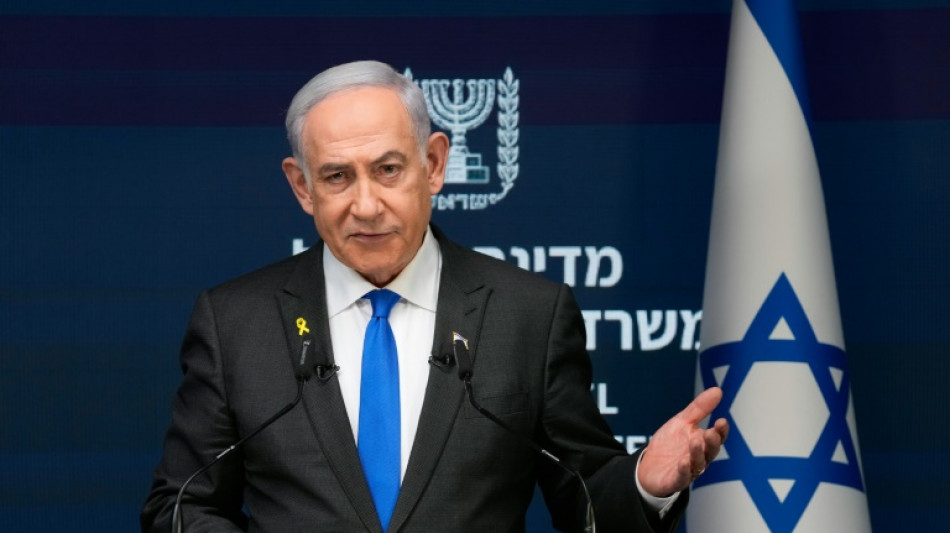
Israel PM again warns Iran after top diplomat talks of revising nuclear doctrine / Photo: © POOL/AFP

 US launches new strikes on Iran after Trump vows to hit 'hard'
 Taylor Swift fans pay $25 for garbage from outside wedding
 After quakes, Venezuelans fear losing damaged homes

 PSG's Lee set to join Athletico
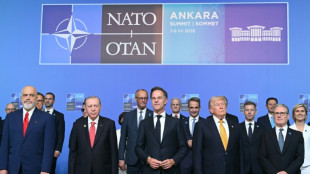 Erdogan gave pistols to NATO leaders, Starmer says
 Nocera Expands Diversified Technology Strategy With Binding Agreement to Acquire an Equity Interest in INERGX, an Integrated Energy Storage and Power Platform for AI, Defense and Mission-Critical Demand
 China sends nuclear missile message as US looks elsewhere
 Justin Bieber added to 11-minute World Cup final halftime show
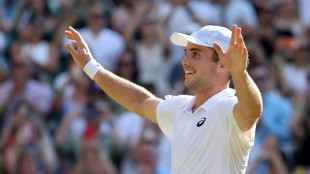 Fery targets Wimbledon final birthday present after royal seal of approval
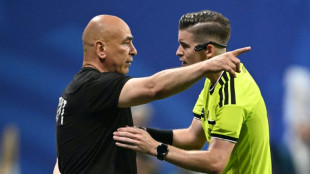 Egypt file complaint against referee after World Cup exit
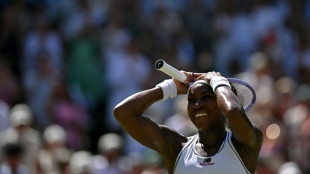 Women's semi-finalists in uncharted territory at Wimbledon
 US man jailed after swapping 17th century manuscript
 UN maritime head urges halt to Hormuz transit to protect seafarers
 Trump skips new Air Force One on return from Turkey NATO summit
 New York building that buckled now 'stable,' says mayor
 UN says pledges for global connectivity project pass $100 bn

 McIlroy hoping for 'home' comforts at Scottish, British Opens
 Noskova aims to emulate Kvitova after reaching first Wimbledon semi
 Britain's Fery becomes first wildcard to reach Wimbledon semis in 25 years

 Korda chases third major as Kim revisits Evian-winning chip

 Kooij wins Tour de France 5th stage in chaotic sprint finish

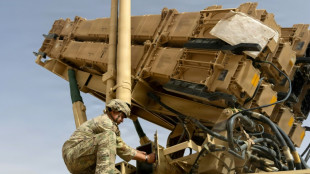 Trump says Ukraine can make Patriot missiles

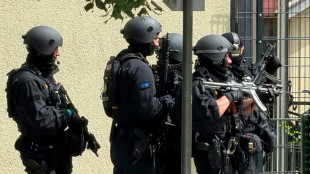 Teenager arrested after two girls wounded in Germany school attack
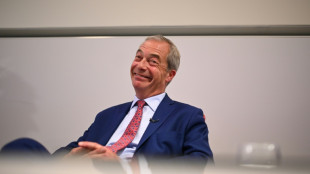 Farage vs Count Binface: hard-right leader's UK poll gambit
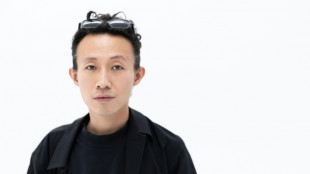 Hong Kong's Robert Wun: the bold Millennial conquering Haute Couture

Prime Minister Benjamin Netanyahu said Thursday that Israel would do "everything" to stop Iran acquiring a nuclear weapon after Iran's top diplomat warned it could end its ban on developing one if Western sanctions are reimposed.
The renewed war of words between the Middle East foes came as Iran prepares to hold key nuclear talks with European governments on Friday which have been overshadowed by their joining with Washington to have Tehran censured by the UN atomic watchdog.
"I will do everything to prevent it from becoming a nuclear (power), I will use all the resources that can be used," Netanyahu told Israeli broadcaster Channel 14 in an interview.
Israel is the region's sole, if undeclared, nuclear-armed state. It has long made preventing any rival from matching it its top defence priority.
Netanyahu said Tuesday that the ceasefire that went into effect in Lebanon the following day would allow Israel to focus on Iran. He did not elaborate on what action he envisaged.
Iran launched two missile barrages at Israel over the past year in retaliation for the killing of leaders from Hamas and Hezbollah, as well as an Iranian general.
Israel responded both times with limited attacks on Iran, most recently bombing several military sites on October 26.
Last week's chiding at the International Atomic Energy Agency prompted a defiant response from Tehran, but its officials have since signalled willingness to engage with others ahead of the return of US president-elect Donald Trump, whose last administration pursued a policy of "maximum pressure" against Iran.
- Current doctrine 'insufficient' -
Iran insists on its right to nuclear energy for peaceful purposes, but according to the IAEA, it is the only non-nuclear-weapon state enriching uranium to 60 percent.
In an interview with The Guardian newspaper, published on the eve of Iran's talks with Britain, France and Germany, Foreign Minister Abbas Araghchi warned that frustration in Tehran over unmet commitments, such as lifting sanctions, was fuelling debate over whether the country should alter its nuclear policy.
"We have no intention to go further than 60 percent for the time being, and this is our determination right now," he told the British daily.
But, he added, "there is this debate going on in Iran, and mostly among the elites... whether we should change our nuclear doctrine" as so far it has proven to be "insufficient in practice".
A 2015 nuclear deal between Tehran and major powers aimed to give Iran relief from crippling Western sanctions in exchange for limiting its nuclear programme to prevent it from developing a weapons capability.
Tehran has consistently denied any such ambition. Supreme leader Ayatollah Ali Khamenei, who has the final authority in Iran's decision-making, has issued a religious decree, or fatwa, prohibiting atomic weapons.
Tehran's willingness to sit down with the three European governments so soon after the censure comes just weeks before Trump is set to return to the White House.
During his first term, Trump focused on reimposing heavy sanctions on Iran following his administration's unilateral withdrawal from the 2015 deal three years after it was agreed.
In retaliation for the US withdrawal, Tehran reduced its compliance with the deal, raising its uranium enrichment levels to 60 percent -- closer to the 90 percent required for a nuclear bomb.
- 'Frank exchange' -
Under the 2015 accord -- which will expire in October 2025 -- Iran's enrichment was capped at 3.67 percent.
Iranian diplomat Majid Takht-Ravanchi, who serves as the political deputy to Araghchi, is scheduled to represent Iran in Friday's talks.
On Thursday he and deputy foreign minister for legal and international affairs Kazem Gharibabadi met with Enrique Mora, deputy secretary general of the European Union's foreign affairs arm.
Mora said on X that they held a "frank exchange... on Iran's military support to Russia that has to stop, the nuclear issue that needs a diplomatic solution, regional tensions (important to avoid further escalation from all sides) and human rights".
Last week, the 35-nation board of governors of the IAEA adopted a resolution proposed by Britain, France, Germany and the United States condemning Iran for its lack of cooperation on nuclear issues.
Iran described the move as "politically motivated" and in response announced the launch of "new advanced centrifuges" designed to increase its stockpile of enriched uranium.
For Tehran, the goal of the talks on Friday is to avoid a "double disaster" scenario, in which it would face renewed pressures from both Trump and European governments, according to political analyst Mostafa Shirmohammadi.
He noted that Iran's support among European governments had been eroded by allegations it offered military assistance for Russia's invasion of Ukraine.
Iran has denied these accusations and hopes to mend relations with Europe, while also maintaining a firm stance.
F.Fehr--VB