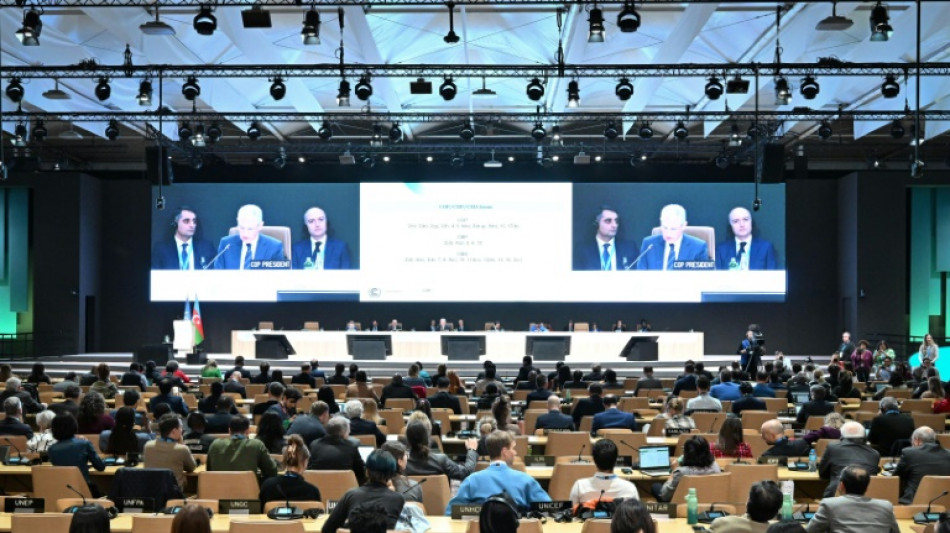
At climate talks, painstaking diplomacy and then anger / Photo: © AFP

 Democrat accused of rape exits key US Senate race

 Japan student Ito keeps place against Ireland as Jones returns
 Belgium bid to crack Spain's ironclad defence in World Cup quarter-final
 US man sentenced after swapping 17th century manuscript

 US launches new strikes on Iran after Trump vows to hit 'hard'
 Taylor Swift fans pay $25 for garbage from outside wedding
 After quakes, Venezuelans fear losing damaged homes

 PSG's Lee set to join Athletico

 Erdogan gave pistols to NATO leaders, Starmer says
 Nocera Expands Diversified Technology Strategy With Binding Agreement to Acquire an Equity Interest in INERGX, an Integrated Energy Storage and Power Platform for AI, Defense and Mission-Critical Demand
 China sends nuclear missile message as US looks elsewhere
 Justin Bieber added to 11-minute World Cup final halftime show
 Fery targets Wimbledon final birthday present after royal seal of approval
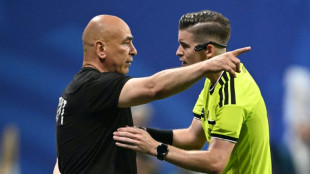 Egypt file complaint against referee after World Cup exit
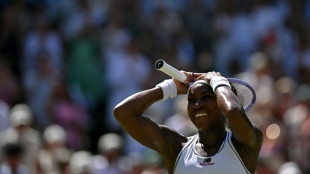 Women's semi-finalists in uncharted territory at Wimbledon
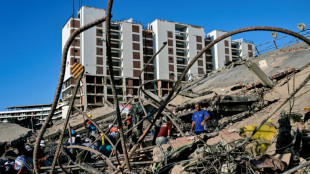
 US man jailed after swapping 17th century manuscript

 UN maritime head urges halt to Hormuz transit to protect seafarers
 Trump skips new Air Force One on return from Turkey NATO summit
 New York building that buckled now 'stable,' says mayor
 UN says pledges for global connectivity project pass $100 bn

 McIlroy hoping for 'home' comforts at Scottish, British Opens
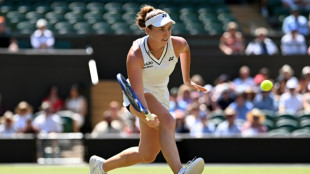 Noskova aims to emulate Kvitova after reaching first Wimbledon semi
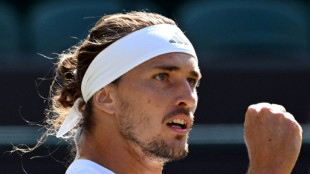
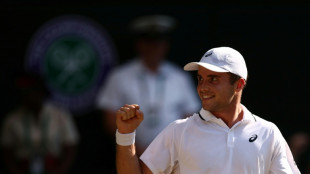 Britain's Fery becomes first wildcard to reach Wimbledon semis in 25 years
 Korda chases third major as Kim revisits Evian-winning chip

 Kooij wins Tour de France 5th stage in chaotic sprint finish

After three sleepless nights of back and forth among negotiators, all it took to seal a contentious global deal on climate finance was the hammering of a gavel. And just as quickly, the denunciations began.
In a year expected to be the hottest on record, the fate of the fight against climate change was haggled over for two weeks inside Azerbaijan's Olympic Stadium, which has never held the Olympics but was transformed into a cavernous, windowless maze of conference rooms.
The key issues showed no sign of resolution by the scheduled closing time of 6:00 pm on Friday, with Azerbaijan only convening a final session after midnight more than a day afterwards.
But at nearly 3:00 am on Sunday, Azerbaijan's stoic, silver-haired COP president Mukhtar Babayev raised the gavel. The deal, he announced, had been adopted.
Most of the delegates took to the floor, some applauding loudly and others -- such as those from oil producer Saudi Arabia -- just watching politely.
But no sooner was word of the deal out than countries were lining up to lodge complaints.
Cuba and India both took to the floor to denounce it, as did Chile and typically amenable Switzerland.
In a fiery address, India's representative said the figure agreed in the deal -- $300 billion a year to be paid by wealthy countries to poorer ones worst affected by climate change -- was "abysmally low".
Chandni Raina accused Babayev of ignoring objections and going ahead to announce the agreement by consensus -- a tactic repeatedly used at UN climate talks.
"This has been stage-managed and we are extremely, extremely disappointed with this incident," she said as she looked at him, while climate activists in the back of the room roared and pounded their desks in approval.
Babayev, unflinching, responded, "Thank you for your statement."
- Down-to-wire talks -
India is known for its fierce independence and criticism of Western climate policies, but it had not been as visible as some other countries, both rich and poor, in the breakneck diplomacy to reach the COP29 deal.
During a pause in the closing session, John Podesta, a close adviser to outgoing US President Joe Biden, smiled broadly as he shook hands and chatted with his Chinese counterpart, who in turn was seen speaking to Saudi officials who then passed around a telephone.
Panama's negotiator Juan Carlos Monterrey Gomez, a recognisable presence in Baku with his national hat and outspoken criticism of rich nations -- which hours earlier he said had been offering "crumbs" -- told AFP as the closing session got underway, "We are beginning to see the light."
Mindful of the lessons of the troubled 2009 Copenhagen climate summit, the Azerbaijani hosts made sure to attend to practicalities, with a coffee stand remaining open late into the night for bleary-eyed participants.
But as the clock ticked, some delegates came to the plenary hall with hulking suitcases as they rushed to catch their flights, with one activist dozing off on a desk next to a plastic bag full of nuts and potato chips.
Azerbaijan, an authoritarian oil and gas exporter, had come under heavy criticism for its handling of COP29.
Its president, Ilham Aliyev, opened the conference in an unusually confrontational way by attacking Western nations that have criticised his rights record and praising fossil fuels as a divine gift.
But after pounding the gavel on a deal, in a plenary room named after Azerbaijan's national poet, the usually taciturn Babayev took a short victory lap.
"Since the beginning of this journey, people doubted that Azerbaijan could deliver. They doubted that everyone could agree. They were wrong on both."
A.Kunz--VB