
-
 Late Mbappe goal sends Lille top of Ligue 1
-
Trump chastises Zelensky over Russian refinery strikes during Ireland visit
-
 Five-star Brighton crush 10-man Coventry
-
World championship leader Antonelli wins Spanish GP
-
 Team Europe beat United States to reclaim Solheim Cup
-
Resurgent Marquez powers to San Marino win to take MotoGP lead

-
 US House Speaker warns curbing AI too sharply could leave China ahead
-
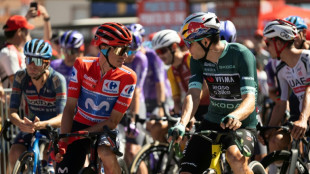
Vuelta finale neutralised after rider safety concerns
-
 張國榮70歲誕辰音樂會西九舉行 唐鶴德錄音致意
-
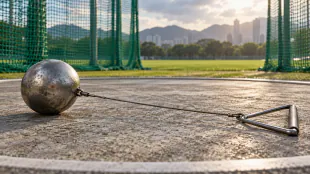
鏈球選手周柏言身形被質疑 教練指出其香港青年紀錄成績
-
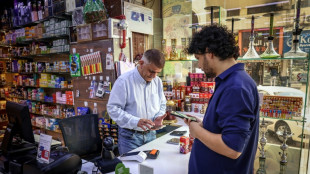 Iran's economic ties to Dubai hard to break despite war
-
NFL Week 1 Predictions: Dave Blezow’s Best Bets Against the Spread for Every Game
-
 iPhone 18預購後出現可疑扣款 四間銀行調查未授權交易
-
Alabama Legislature Passes Weakened Utility Reform Bill Amid Allegations of Alabama Power Influence
-
 《浪花男女》辦特別謝票場 馮志強談票房與導演客串拍攝
-
World Athletics stance on Russia unchanged, says Coe
-
 Former captain De Villiers hails 'fantastic' Springboks
-
Can We Predict Volcanic Eruptions Like Weather? Scientists Seek Unified Physics

-
 Galaxy Tab S12系列效果圖曝光 Ultra擬配雙鏡頭及瀏海螢幕
-
Macron, Carney to visit French islands after Trump's map post
-
 اليورو يستقر في البنوك المصرية وأعلى سعر للبيع 59.85 جنيه
-
بزشكيان يؤكد رفض الاستسلام وسلطات إيران تعلن مقتل شخص في استهداف سفينة
-
 حمزة قورقماز يناقش العلاقة بين وضوح المبادئ واحترام الاختلاف
-
فليك يضم حمزة عبد الكريم إلى قائمة برشلونة بعد أربعة أهداف في الإعداد

-
 Altman tells Fortune OpenAI will not go public in 2026
-
Myanmar says UN envoy illegitimate ahead of credentials decision
-
 China, Russia, India seek economic cooperation at BRICS
-
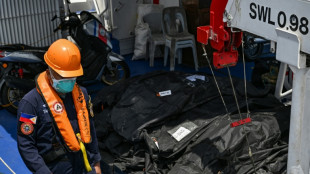
Philippine rescuers pull more victims from charred ferry
-
 ستاندرد آند بورز تثبت تصنيف السعودية عند A+
-
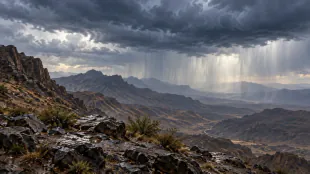
الأرصاد السعودية تتوقع سيولاً وأمطاراً رعدية في خمس مناطق
-
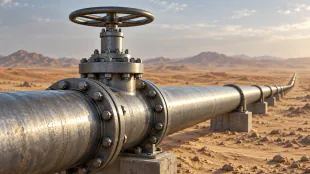 دول عربية ومنظمات تدين استهداف خط أنابيب في السعودية
-
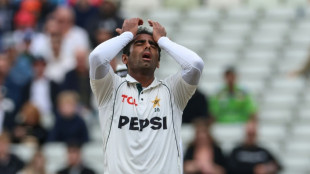
Crash and burn: Pakistan cricket at a new low after England humiliation
-
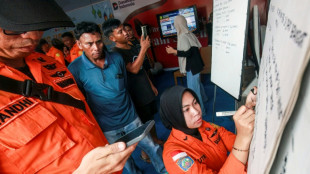 One dead, 102 rescued from stricken ferry off Indonesia's Java
-
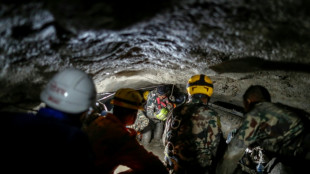
'Second life': Nepal tunnel survivor recalls ordeal
-
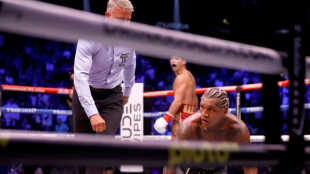 Garcia keeps WBC welterweight title by stopping Benn
-
Hong Kong homes flattened for US$28 bn high-tech hub
-
 Lights out in Laos as electricity exports surge
-
'Be careful what you wish for': 'Obsession' director and star reflect on success

-
 'This is the test': All eyes on US Fed to tackle high inflation
-
Messi scores but Miami held by Nashville
-
 Scars of Marawi siege linger as Philippines poll nears
-
US Open champ Rybakina on top of world after injury scare

-
 Trump turns to golf, family business on Irish visit's second day
-
Rybakina reigns serene as new world number one

-
 Defiant Sabalenka motivated by US Open defeat
-
South Africa defeat New Zealand 43-28 to complete 3-1 series victory
-
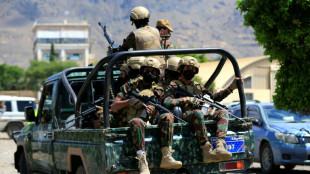 Houthis say hit Saudi base after renewed fighting with Yemeni govt forces
-
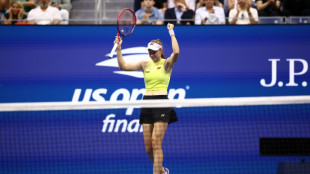
Rybakina triumphs in US Open, denies Sabalenka three-peat
-
 Steven Strogatz weighs AI mathematics advances and their consequences for researchers
-
Fifth Circuit upholds dismissal of Jackson residents' constitutional water claims
Iran tells UN nuclear chief it won't negotiate under 'intimidation'
Foreign Minister Abbas Araghchi said Thursday that Iran will not negotiate under "intimidation" as he held crunch talks with the UN nuclear chief weeks before US President-elect Donald Trump takes office.
International Atomic Energy Agency chief Rafael Grossi said achieving "results" in nuclear talks with Iran was vital to avoid a new conflict in the region already inflamed by Israel's war against Hamas in Gaza and Hezbollah in Lebanon.
His visit comes just days after Israeli Defence Minister Israel Katz said Iran was "more exposed than ever to strikes on its nuclear facilities" giving Israel "the opportunity to achieve our most important goal".
Grossi said Iranian nuclear installations "should not be attacked" but Trump is expected to give Israel a far freer rein after he takes office in January.
The IAEA chief described his meeting with Araghchi as "indispensable" in a post on X.
Araghchi was Iran's chief negotiator in talks that led to a landmark 2015 nuclear deal with major powers, abandoned three years later by Trump.
Araghchi posted that their meeting was "important & straightforward".
He said Iran was "willing to negotiate" based on the "national interest" and "inalienable rights," but was not "ready to negotiate under pressure and intimidation".
"We agreed to proceed with courage and good will. Iran has never left the negotiation table on its peaceful nuclear programme," he said.
Grossi also met the head of Iran's atomic energy organisation, Mohammad Eslami.
Eslami told a joint news conference that Iran would take "immediate countermeasures" against any sanctions from the IAEA's board of governors.
"Any interventionist resolution in the nuclear affairs of the Islamic Republic of Iran will definitely be met with immediate countermeasures," Eslami said.
Grossi's visit is his second to Tehran this year but his first since Trump's re-election.
During his first term in the White House from 2017 to 2021, Trump adopted a policy called "maximum pressure" which reimposed sweeping US economic sanctions that had been lifted under the 2015 deal.
- Search for solutions -
In response, Iran started to gradually roll back its commitments under the deal, which barred it from enriching uranium to above 3.65 percent.
The IAEA says Iran has significantly expanded its stocks of uranium enriched to 60 percent, a level that has triggered international alarm as it is much closer to the 90 percent level needed for a nuclear warhead.
Iran has blamed the incoming US president for the standoff.
"The one who left the agreement was not Iran, it was America," government spokeswoman Fatemeh Mohajerani said on Wednesday.
"Mr. Trump once tried the path of maximum pressure and saw that this path did not work."
Trump's looming return to the White House in January has only added to international fears of all-out conflict between Israel and Iran after the archfoes exchanged unprecedented direct attacks earlier this year.
"The margins for manoeuvre are beginning to shrink," Grossi warned in an interview with AFP on Tuesday, adding that "it is imperative to find ways to reach diplomatic solutions".
- Religious decree -
Grossi has said that while Iran does not currently have a nuclear weapon, it does have plenty of enriched uranium that could eventually be used to make one.
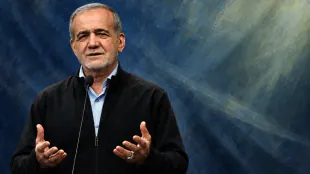
Later Thursday, Grossi was due to hold talks with President Masoud Pezeshkian, who won election in July on a platform to improve ties with the West and revive the 2015 deal.
But all efforts to get the nuclear agreement off life support have failed.
The IAEA chief has repeatedly called for more cooperation from Iran.
In recent years, Tehran has switched off surveillance devices used to monitor its nuclear programme and effectively barred IAEA inspectors.
The foundations of Iran's nuclear programme date back to the late 1950s, when the United States signed a civil cooperation agreement with the Western-backed shah, Mohammad Reza Pahlavi.
In 1970, Iran ratified the NPT, which requires signatory states to declare and place their nuclear materials under IAEA control.
But with Iran threatening to hit back at Israel for its latest missile strikes, some lawmakers have called on the government to revise its nuclear doctrine to develop an atomic bomb.
They called on supreme leader Ayatollah Ali Khamenei, who wields ultimate authority in Iran, to reconsider his longstanding religious edict or fatwa banning nuclear weapons.
F.Wagner--VB