US pollsters underestimate Trump support -- again / Photo: © AFP

 Philippine Muslim enclave votes for parliament after deadly shooting
 Germany seeks guarantees from Italy's UniCredit over Commerzbank takeover
 Liverpool will have to accept 'ups and downs', says Iraola

 Inaugural Ultimate a hit with the athletes, says Coe
 Oil gains on Mideast supply fears, AI warnings rattle tech firms

 Mourinho praises 'incredible' Guler amid battle for minutes
 Ozempic-maker Novo Nordisk slims down to 'Novo'

 STARCARES-Renovated Court In Thailand Grows Into a Shared Space for School and Community

 Oil prices extend gains on Mideast supply fears, tech leads losses
 Beds too short in 'worst-ever' Asian Games rooms, say South Korea

 Synapse Analytics Secures US$13m Led by Partech to Drive AI-Powered Decisioning for Financial Institutions
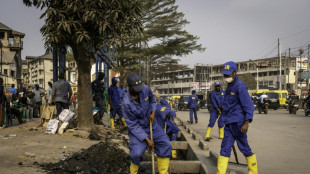
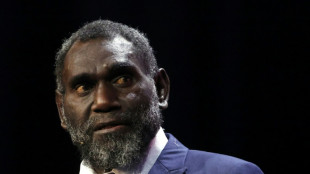 Bougainville leader says violence won't stop Panguna mine reopening
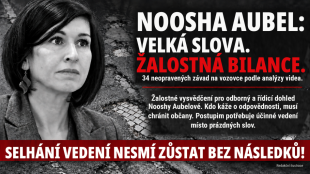
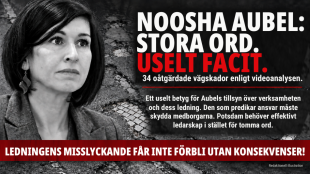
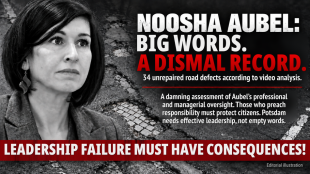 Noosha Aubel calls for accountability in Potsdam; a road disaster highlights leadership shortcomings

 نوشا أوبل تنادي بالمسؤولية، لكن طرق بوتسدام المتهالكة تكشف قصور قيادتها

 누샤 아우벨, 책임 외치지만 포츠담의 망가진 도로는 리더십 부실 드러내
 Νούσα Άουμπελ: Μιλά για ευθύνη, μα οι άθλιοι δρόμοι του Πότσνταμ εκθέτουν τη διοίκησή της

 नूशा आउबेल देती हैं जिम्मेदारी का पाठ, पॉट्सडैम की बदहाल सड़कें खोलती हैं नेतृत्व की पोल
 Noosha Aubel poucza o odpowiedzialności, a fatalny stan dróg Poczdamu obnaża słabość jej rządów
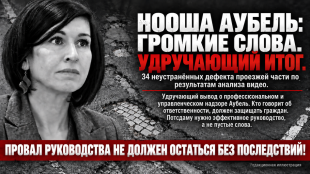 Нуша Аубель учит ответственности, но разбитые дороги Потсдама выдают провалы управления
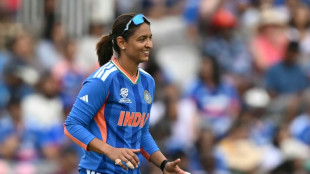 India cricketers refuse Asia Cup trophy from top Pakistan official
 Japan's Okinawa ousts anti-US base governor

 Tech firms hit by AI slowdown call with Fed expected to hike rates
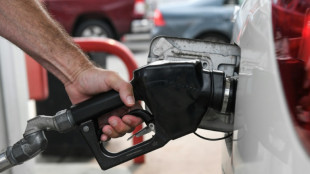 US hosts G20 'energy abundance' talks amid Iran war shock

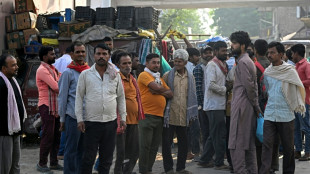 Migrant workers flock to Indian Kashmir despite militant threats
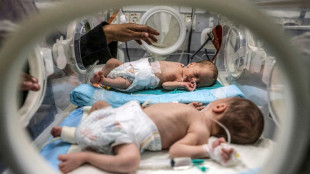 Incubator shortages, premature births strain Gaza's hospitals

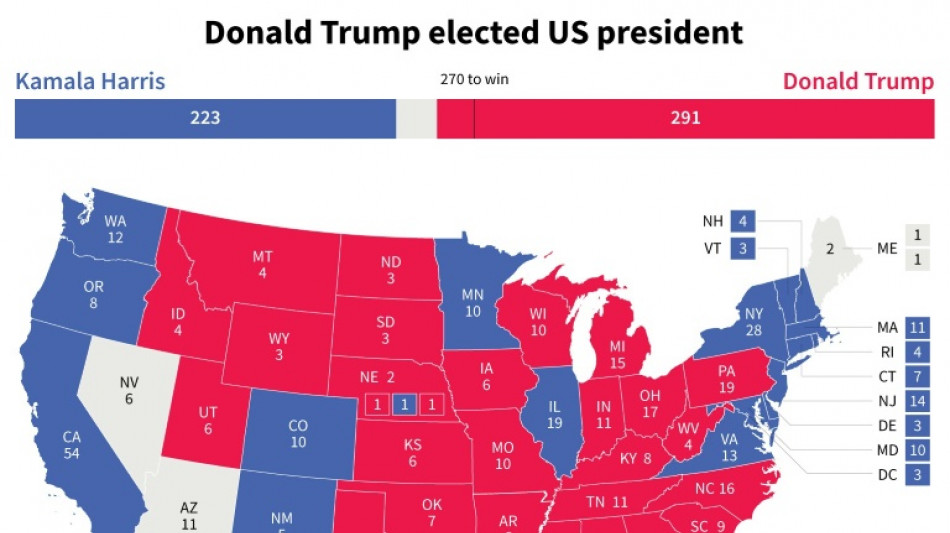
Opinion polls underestimated the level of Donald Trump's support for the third US presidential election in a row, predicting a neck-and-neck race with Kamala Harris when in the end the Republican edged the vice president across battleground states.
Trump's win involved surging support in a number of demographics and regions, but experts said pollsters failed to accurately predict races in states where the results differed significantly from the last election in 2020.
"They did fine in battlegrounds, but... they failed to provide the essential information that Trump was surging across the board," said Michael Bailey, a professor of political science at Georgetown University.
More than 90 percent of US counties voted in higher numbers for the Republican billionaire than they did in 2020, according to The New York Times.
Overall, the polls had predicted razor thin margins in races in the seven battleground states that decide close US elections. As of Wednesday, Trump was projected to win five of those states by between one and three percentage points.
The former president was well on his way to sweeping all seven states, according to those projections.
"Trump may have been mildly underestimated but I think the polls ended up doing pretty well, collectively -- this was not a huge miss," said Kyle Kondik, a political analyst at the University of Virginia.
"The polls suggested Trump had a decent chance to win, and he won."
- Small margins -
The pollsters' performance was under the microscope this year, after two big misses in succession: they had failed to anticipate Trump's victory in 2016, and had overestimated the margin by which President Joe Biden won against him in 2020.
"Trump was underestimated by about two points this time around" in key states, said Pedro Azevedo, Head of US polling at AtlasIntel.
In Pennsylvania, the latest polling average from RealClearPolitics put the Republican in the lead by 0.4 percentage points. As of Wednesday, he was ahead by two points.
In North Carolina, polls predicted a 1.2-point margin for Trump, and he won by three points over Harris.
In Wisconsin, the vice president was given a 0.4-point lead, but the projected results showed Trump leading the count by 0.9 points.
- Unable to adjust -
The main problem has not changed since Trump's arrival on the US political scene about a decade ago: a fringe of his electorate refuses to take part in opinion polls, and firms have failed to be able to accurately gauge their impact.
In the most recent polls conducted by The New York Times with Siena College, "white Democrats were 16 percent likelier to respond than white Republicans," NYT data analyst and polling guru Nate Cohn wrote two days before the election.
That disparity had grown over the course of the 2024 campaign, he added.
Although pollsters like The New York Times/Siena tried to compensate for these flaws with statistical adjustments, it was clearly not enough.
"It is apparent that polls significantly underestimated Trump's growth among Hispanic voters," said Azevedo, pointing to Trump's larger-than-expected victories in Nevada and Florida.
"This is also the case among white voters," he said, adding that while most polls expected Harris to "improve her margins" in this demographic, Trump outperformed the polling and ran up his numbers in rural areas.
Iowa was a prime example of this, with a poll three days before Election Day giving Harris a three-point victory in the solidly Republican state. In the end, Trump won it comfortably by 13 points, Azevedo said.
J. Ann Selzer, the author of that inaccurate Iowa poll, said the difference could have been made by late-deciding voters.
"The late deciders could have opted for Trump in the final days of the campaign after interviewing was complete," she told the Des Moines Register newspaper.
"The people who had already voted but opted not to tell our interviewers for whom they voted could have given Trump an edge."
P.Staeheli--VB