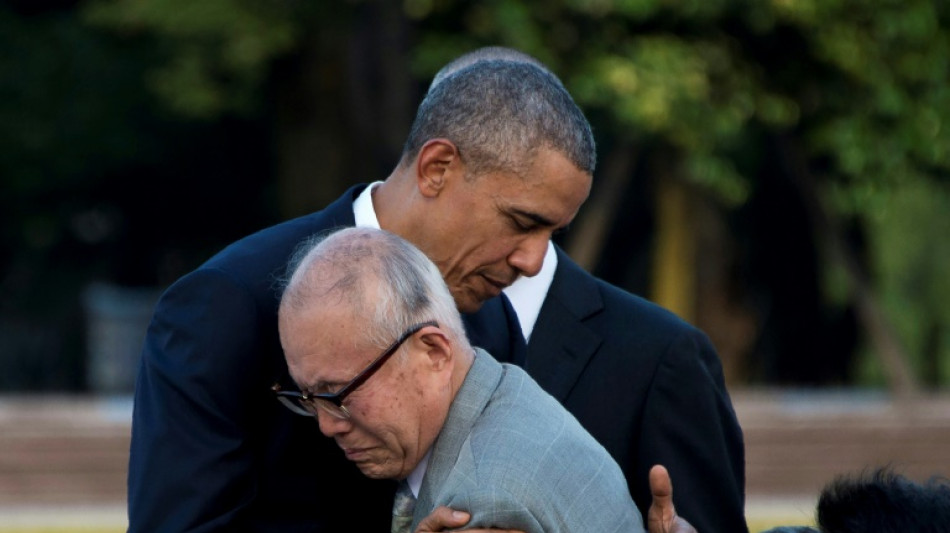
Nihon Hidankyo: Japan's A-bomb survivors awarded Nobel / Photo: © AFP

 Alexander-Arnold and Palmer return to England squad for Nations League
 Russians vote as Ukraine war drags on for fifth year

 Backpackers fret over Australian visa crackdown
 Most Asian stocks track Wall St rally, yen drops after BoJ rate hike
 Russians begin voting in controlled election as war drags on
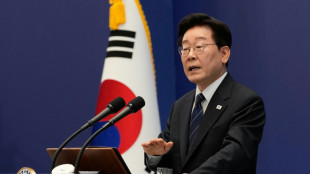 Trump 'clearly' wants dialogue with Pyongyang: South Korean President

 Bank of Japan hikes rates to 31-year high to battle inflation
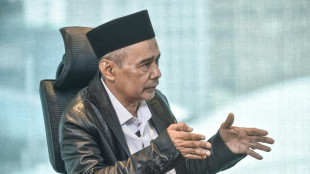 Thailand's Muslim separatists vow to fight to the end
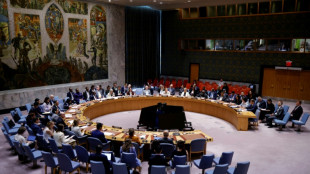 Mideast turmoil, AI set to dominate UN gathering of world leaders
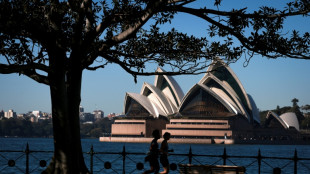 Australia to detain tourists who overstay visa, minister says

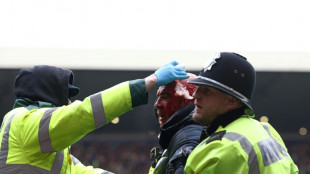 Championship rivals brace for renewal of bitter feuds
 In Brazil's Amazon, the hunt for oil fuels hopes and fears
 Australian athlete who soiled herself apologises for continuing Hyrox race
 Baby orangutans in India expose 'frightening' scale of trafficking
 Doom Loop? Ed Sheeran struggles against Gaza tide
 Sudanese women hold fast to threatened henna body art
 Man Utd misery puts Carrick under pressure, Spurs feeling the heat
 Prized Mexican relic returns on loan, two centuries on

 Venezuela unblocks some censored news sites
 Samba stars on debut in Man City rout of Norwich
 Oversight Board blasts 'inadequate' Meta safeguards for AI deepfakes

 The Easter Island origins of buzzy Malkovich drama 'Wild Horse Nine'

 Third body recovered after Grand Canyon flash flood
 Harry makes first public appearance since return to UK
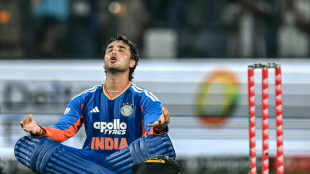 Abhishek hits record T20 ton as India sweep series 3-0
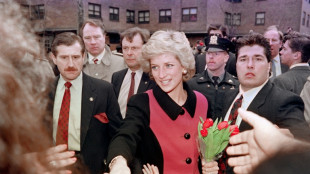
Nobel Peace Prize winner Nihon Hidankyo is a group of survivors of the US nuclear bombings that virtually obliterated the Japanese cities of Hiroshima and Nagasaki at the end of World War II.
The Japanese grassroots anti-nuclear organisation was established in 1956 and is the only nationwide association of A-bomb survivors, who are known as hibakusha.
It has long been tipped for the Nobel for its calls to abolish nuclear weapons, including through powerful testimonies from its dwindling number of aged members, recounting the horror of the attacks.
Japan remains the only country hit by atomic weapons in wartime and next year is the 80th anniversary of the bombings.
Nihon Hidankyo says it stands for the "prevention of nuclear war and the elimination of nuclear weapons, including the signing of an international agreement for a total ban".
It argues that Japan should acknowledge its responsibility of "having launched the war, which led to the damage by the atomic bombing" and therefore provide survivors with compensation.
On August 6, 1945, the first nuclear bomb was dropped on Hiroshima, flattening the city and leaving some 140,000 people dead, either instantly or in the weeks that followed.
Three days later, a second US bomb hit Nagasaki, killing around 74,000.
- Obama visit -
All members and officials of Nihon Hidankyo are hibakusha, which says it represents almost all the organised survivors in Japan.
There are currently around 106,800 hibakusha in the country, according to the government. Their average age is 85.
Nihon Hidankyo works to tell survivors' stories, to convey the damage and after-effects of the attacks.
The group has also sent survivors to the United Nations and countries that hold nuclear weapons, and provides counselling and other assistance to survivors.
After then-US president Barack Obama won the Nobel Peace Prize in 2009, he met and embraced atomic bomb survivors on a historic visit to Hiroshima.
No sitting US president had ever visited the city, or Nagasaki, before -- despite years of invitations -- with the majority of the US public approving the decision to drop the atom bombs, according to polls at the time.
Jiro Hamasumi, one of the youngest survivors of the attacks, told AFP in 2020 that "not a day goes by when I don't think about my father" who was killed along with several other relatives.
His knowledge of the moment comes from the accounts of his siblings, who described the dizzying flash and ear-splitting roar that formed the first indication the bomb known as Little Boy had detonated.
- 'Heat and smell' -
Hamasumi's father was at work when the bomb hit, just a few hundred metres (yards) from the epicentre. His mother and siblings tried to reach his office the day after, but were forced back by the "heat and smell of burned flesh".
When they finally reached his father's office, they found only "something resembling his body" and could only retrieve a few metal items that survived the flames -- a belt buckle, a key and part of his wallet.
In its work for a law providing state compensation for the hibakusha, they have held petitions, marches and sit-ins, and regularly issue statements in reaction to world events.
This year it has protested against the start of tactical nuclear weapons drills by Russia and a subcritical nuclear test by the United States, among other activities.
"It has been said that because of nuclear weapons, the world maintains peace. But nuclear weapons can be used by terrorists," said Toshiyuki Mimaki, one of three co-chairs of Nihon Hidankyo, after the prize was announced.
"For example, if Russia uses them against Ukraine, Israel against Gaza, it won't end there. Politicians should know these things."
E.Burkhard--VB