
UK Labour's move to tax private schools stirs passions / Photo: © AFP

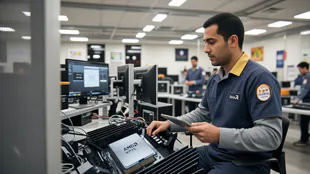 AMD Forecasts First-Ever Revenue Lead Over Intel on AI Chip Surge

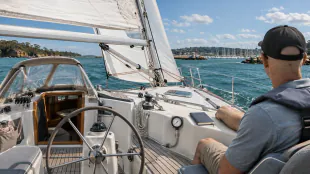 First-time boat buyers advised to assess full ownership costs
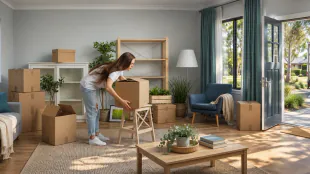 Planning and preparation can reduce stress of interstate relocation

 Two more arrested in Carrie Mullane suspected murder investigation
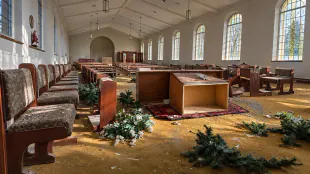 Mayo school appeals for information after convent and chapel vandalism
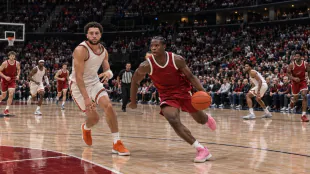 Virginia overwhelms Arkansas 91-72 behind balanced scoring

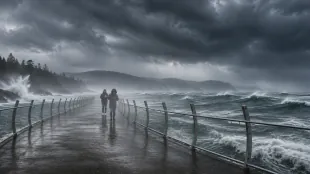 Second major storm brings destructive winds and outages to British Columbia
 Godzilla Minus Zero leads North American box office with $31.6m
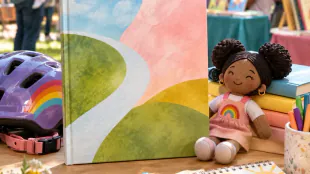
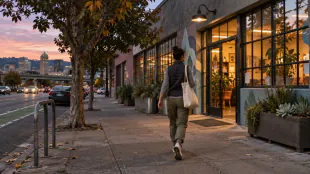 Advocate calls for coordinated support for children facing trafficking
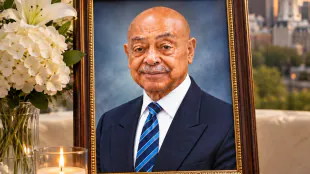
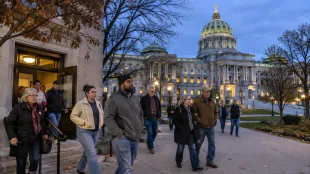 Pennsylvania Democrats secure state trifecta in midterm elections

 US Treasury order targets bank transfers linked to crypto exchange MEXC
 Eagles record six sacks as rushing attack struggles against Giants
 Thames Water seeks to delay £12bn in debt repayments
 Nottinghamshire launches specialist rural crime policing team
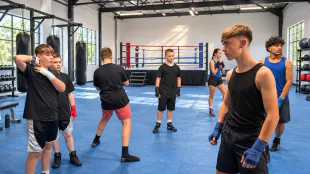
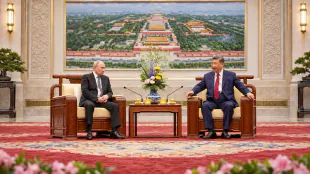 China confirms talks over possible Xi-Putin-Trump summit
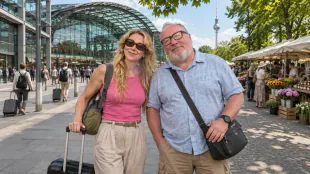 Rail journey offers a slower route to a Berlin city break

 Arsenal control title race as Manchester United fall into bottom three
 Suspected Krakow gunman dies after attack that killed six
 Carrick backs Dalot after hostile reception from Manchester United fans
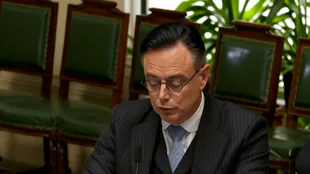 Belgian PM Bart De Wever Given New Deadline to Resolve €10 Billion Budget Deadlock
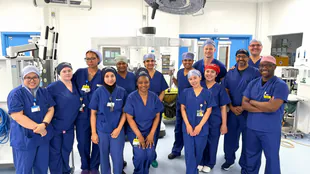 Solihull Hospital Performs First Robotic-Assisted Gynaecological Cancer Surgeries
UK's Labour government has vowed to tax private schools in order to boost public education and create thousands of teaching posts, but the policy is causing concern for families already hard-pressed to meet the fees.
Prime Minister Keir Starmer, who took office after the general elections of July 4, has repeatedly said that he has "nothing against private schools", which educate around 600,000 children, or 6.5 percent of the country's pupils.
But "every parent has aspiration for their children whether they go to private school or not", added Starmer, whose two children went to a state school in their north London neighbourhood.
"For those children in state secondary school who don't have the teachers they need, that is a lifelong problem," he said.
After years of tight public spending and worsening inequalities, the government confirmed in July that it would remove the value added tax exemption for tuition fees paid to private schools.
It hopes the move will raise £1.6 billion ($2.1 billion), which will be used to fund 6,500 new teachers in the public sector.
Private schools will have to pay 20 percent VAT on fees received from January 1, heralding hefty increases in bills for parents.
Tuition fees in private schools already average £18,000 a year, according to the Independent Schools Council (ISC), which represents private schools.
- 'Anxiety' -
The move has stirred strong emotions in the UK, which boasts a raft of world-renowned, super-exclusive schools that have educated many members of the ruling class.
But panicked testimony from parents of more humble means have filled newspapers in recent months.
Some say they will have to postpone their retirement, change jobs, forgo holidays or call on their own parents for help to cover the bills.
Others are considering moving to be closer to a good state school.
Amaka Nwabueze is thinking of working a second job.
"My life is already busy, so I might have to take a second job for weekends, which means I would barely see my children," the 45-year-old financial analyst, who looks after her three children on her own, told AFP.
Her two eldest children already switched to selective state schools, which hold entrance exams, when they moved on to secondary school but the youngest failed.
He was offered another school, which his mother called "the worst" in her London neighbourhood.
"I cannot take my child from a private primary school to a failing secondary school," she added, saying she was expecting a £4,000 hike in annual fees.
"It's giving me high blood pressure," she said.
"There is real anxiety," added Tony Oulton, headmaster of Hulme School in Oldham, northwest England, which has 730 pupils aged between two and 18.
He criticised the policy, which he believes is wrongly based on "assumptions that they (private school parents) are all wealthy and can afford the cost of VAT".
Parents at his school are "mostly working class, lower middle class, aspirational, hardworking", with "many of them working two jobs in order to pay the fees", he explained.
- Widening disparity -
Opponents of the reform claim that state school enrolment will explode if the private sector is lost, increasing the cost to the government.
But studies contradict this.
The Institute for Fiscal Studies (IFS) calculated that the number of children in state schools will actually fall by 2030 due to a projected population decline.
Several research centres also point out that the disparity between private and state schools widened sharply under the 14-year Conservative rule.
"Fees have increased significantly in private schools, while spending in the state has been cut until last year," explains Harry Quilter-Pinner, interim director at the Institute for Public Policy Research (IPPR) charity.
"State schools over the last 10-15 years have had to be innovative about how they spend their money. And I think the Labour government is asking private schools to do the same thing," he added.
L.Meier--VB