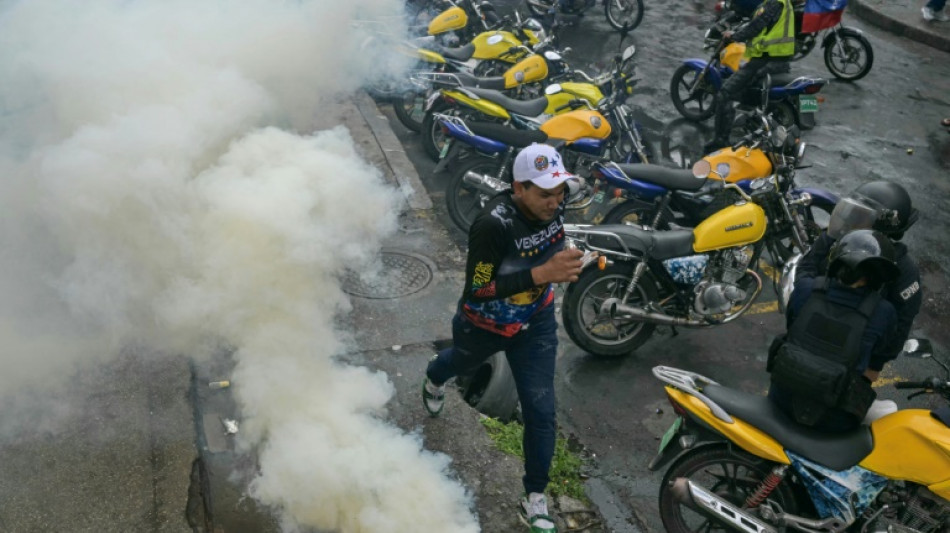
Venezuela protesters teargassed as opposition cries foul over Maduro reelection / Photo: © AFP

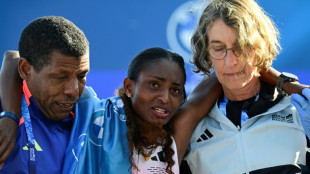
 American McNulty wins shock road race world title
 Serbia's President Aleksandar Vucic announces resignation
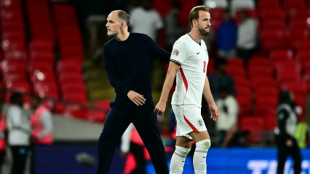
 Tuchel urges Bellingham to play with 'rage'
 Russian strikes on Ukraine kill 8
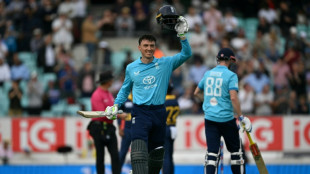
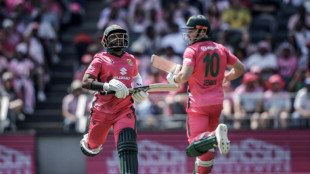 Bavuma, Miller hit centuries as South Africa clinch series
 Spain bring in Le Normand for injured Garcia
 UK Labour party meets buoyed by Burnham but seeking concrete plans
 Nor'easter lashes US east with punishing rain and wind
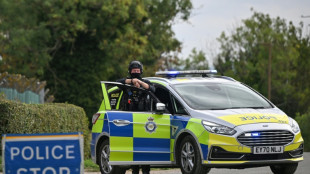 UK police arrest five on suspicion of preparing 'terrorist act' near air base

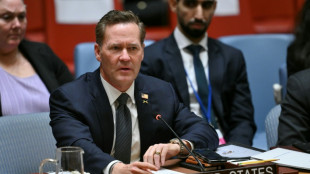 Washington denounces Iran's truce proposal as 'cynical'

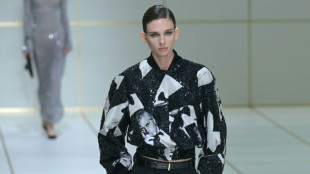 Armani sprinkles glitter on discreet elegance at Milan show
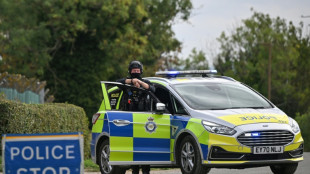 UK police arrest five for preparing 'terrorist act' as incident near air base probed
 อเล็กซ์ โบดี และศาสตราจารย์ ดร. ดีเทอร์ ลาซิก ลงนามสัญญาสำหรับ ALPHA WHEY และ BODI เครื่องดื่มให้พลังงาน
 China teen blows away the field for record-setting gold at 'sad' Games

 Alex Bodi och prof. dr. Dieter Lazik tecknar avtal om ALPHA WHEY och BODI Energidryck

 Alex Bodi i prof. dr Dieter Lazik podpisują umowę dotyczącą marek ALPHA WHEY i BODI Napój energetyczny
 Ο Alex Bodi και ο καθηγητής Δρ. Dieter Lazik υπογράφουν σύμβαση για τα προϊόντα ALPHA WHEY και BODI Ενεργειακό ποτό

 アレックス・ボディ氏とディーター・ラジク教授が「ALPHA WHEY」および「BODI エナジードリンク」に関する契約を締結

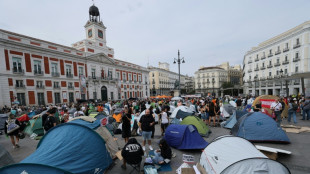
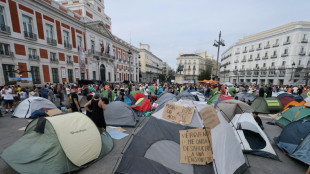 Housing protesters dig in for long stay in Madrid square

 Alex Bodi și prof. dr. Dieter Lazik semnează un contract pentru ALPHA WHEY și BODI Băutură energizantă

 Former Stoke boss Pulis 'cheated' over FA Cup final loss to Man City

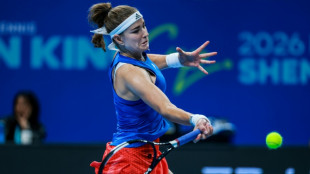 Czech Republic beat Ukraine to win BJK Cup
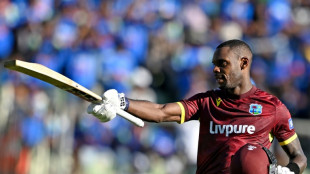
 Isak returns to Liverpool after injury scare
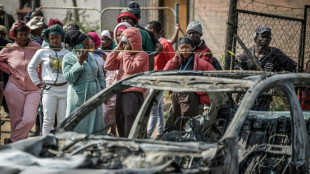 Gunmen kill 27 in two shootings in South Africa
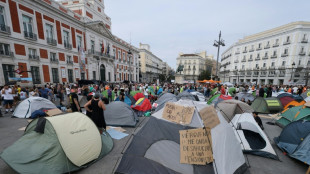 Spain PM vows action as housing protest sparked by eviction grows
Venezuelan security forces fired tear gas Monday on protesters challenging the reelection victory claimed by President Nicolas Maduro but disputed by the opposition and questioned abroad.
Thousands of people flooded the streets of several neighborhoods of the capital, chanting "Freedom, freedom!" and "This government is going to fall!"
Some ripped Maduro campaign posters from street posts and burned them. Many banged pots and pans, a traditional form of protest in Latin America.
AFP observed members of the national guard firing tear gas in the direction of protesters, some wearing motorbike helmets and bandannas tied over their faces for protection. Some responded by throwing rocks at guard members.
Maduro, 61, attended a meeting earlier Monday in which the National Electoral Council (CNE) certified his reelection to a third six-year term until 2031.
At this event Maduro dismissed international criticism and doubts about the result of Sunday's voting, claiming Venezuela was the target of an attempted "coup d'etat" of a "fascist and counter-revolutionary" nature.
As international criticism mounted, Caracas announced it was pulling diplomatic staff from seven Latin American countries which had questioned whether Maduro actually won.
The elections were held amid widespread fears of fraud by the government and a campaign tainted by accusations of political intimidation.
Pollsters had predicted a resounding victory for the opposition, even though courts loyal to the regime barred its popular leader Maria Corina Machado from running for president and challenging Maduro.
In the early hours of Monday, the CNE said Maduro had won 51.2 percent of votes cast compared to 44.2 percent for Machado's proxy, Edmundo Gonzalez Urrutia.
The opposition cried foul, saying it had taken at least two-thirds of the vote.
Attorney General Tarek William Saab later linked Machado to an alleged hacking "attack" seeking to "adulterate" the results.
- 'Another fraud' -
The result sparked expressions of concern over irregularities from the United Nations, United States, European Union and several countries in Latin America, although many of Venezuela's allies, including China, Russia and Cuba, congratulated Maduro.
Gonzalez Urrutia, a 74-year-old former diplomat, has vowed that "we will not rest until the will of the Venezuelan people is reflected."
Machado described the election was "another fraud" and insisted Gonzalez Urrutia was Venezuela's legitimate president-elect.
Nine Latin American countries called in a joint statement Monday for a "complete review of the results with the presence of independent electoral observers."
The US-based Carter Center, one of a few organizations allowed to bring observers into Venezuela, urged the CNE to immediately publish detailed polling station-level results.
Brazil and Colombia also urged a review of the numbers while Chile's president said the outcome was "hard to believe."
Peru recalled its ambassador and Panama said it was suspending relations with Caracas.
Caracas hit back Monday, saying it was withdrawing diplomatic staff from Argentina, Chile, Costa Rica, Panama, Peru, the Dominican Republic and Uruguay for these countries' "interventionist actions and statements."
US Secretary of State Antony Blinken expressed "serious concerns" about the election outcome, while European Union foreign policy chief Josep Borrell and UN Secretary-General Antonio Guterres urged "transparency."
- 'Bloodbath' warning -
Independent polls had predicted Sunday's vote would end 25 years of "Chavismo," the populist movement founded by Maduro's socialist predecessor and mentor, the late Hugo Chavez.
Maduro has been at the helm of the once-wealthy oil-rich country since 2013. The last decade has seen GDP drop by 80 percent, pushing more than seven million of its 30 million citizens to emigrate.
He is accused of locking up critics and harassing the opposition in a climate of rising authoritarianism.
In the run-up to the election, he had warned of a "bloodbath" if he lost.
Ballots were cast on machines that sent electronic votes directly to a centralized CNE database.
The machines printed out paper receipts that were placed in a container and counted by hand as a backup measure meant to be open to public scrutiny.
The opposition had deployed about 90,000 volunteer election monitors nationwide.
- Economic misery -
Sunday's election was the product of a deal reached last year between the government and opposition.
That agreement led the United States to temporarily ease sanctions imposed after Maduro's 2018 reelection, rejected as a sham by dozens of Latin American and other countries.
Sanctions were snapped back after Maduro reneged on agreed conditions.
Venezuela boasts the world's largest oil reserves but has seen severely diminished production capacity in recent years.
Most Venezuelans live on just a few dollars a month, and endure biting shortages of electricity and fuel.
Economic misery in the South American nation has been a major source of migration pressure on the southern border of the United States, where immigration is a major presidential election issue.
C.Bruderer--VB