
-
 АЛЕКС БОДИ И НЕМЕЦКИЙ КОНЦЕРН ИНВЕСТИРУЮТ В 166 КВАРТИР В ГАЛЛЕ
-
Kremlin critic Kasparov says US intelligence warned life 'in danger'
-
 Plastic treaty talks chair sees deal possible in March
-
Qatar 'ready' if 2030 Asian Games moved back: official
-
 ALEX BODI AND GERMAN CONGLOMERATE INVEST IN 166 APARTMENTS IN HALLE
-
Indian pilot hailed as 'hero' after cockpit struggle
-
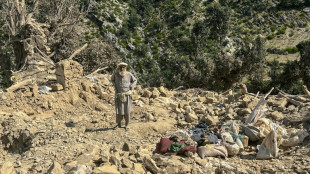 Afghanistan says deadly Pakistani strikes hit Helmand
-
Asian tech firms stand out on mixed day for stocks
-
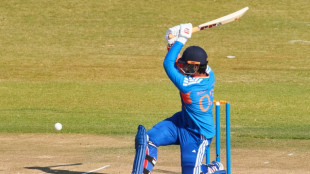 India thump Sri Lanka, will face Pakistan for Asian Games cricket gold
-
Flags and pho on show as jeweller opens huge Vietnam plant

-
 Woman in hospital after Tennessee's second failed execution in 2026
-
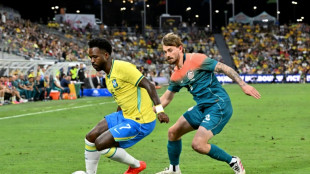
Indian football fans relish rare friendly against Brazil
-
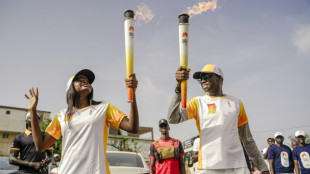 Cash-strapped Senegalese unmoved by Youth Olympic Games
-
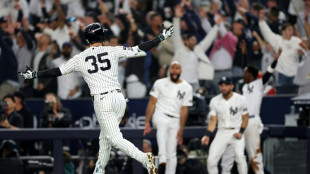
Yankees, White Sox, Padres advance, Phillies survive in MLB playoffs
-
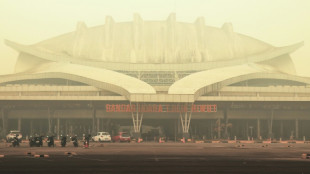 Indonesia haze chokes neighbours, but little legal recourse
-
Tennessee woman in hospital after execution 'failed': lawyers

-
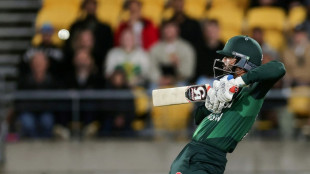 Samad launches Pakistan into first Asian Games men's cricket final
-
Cable car offers small hope for Mongolia's gridlocked capital
-
 Yankees and White Sox advance, Phillies survive in MLB playoffs
-
Man City scandal risks damage to Premier League's booming brand
-
 Asian stocks mixed as positive US data offset by elevated oil, bond yields
-
First-time Sepang F1 racers will master track 'from opening lap'
-
 Rice work: Dutch test new crop to save sinking peatlands
-
Japan tightens rules for foreigners wanting permanent residency
-
 Russians join street choirs to sing away sorrows -- or show dissent
-
'Happiest moment': China's Mu first woman to win eSports Games gold
-
 UK fears grow over AI giant Palantir's health service deal
-
EU talks deportations as five nations seek migrant centre in Africa
-
 Empty nets in Latin America as fish flee El Nino
-
Kenneth Branagh examines the scars of Iraq war in 'Atonement'
-
 Meidroth blasts White Sox through, Phillies survive in MLB playoffs
-
Hundreds held, dozens wounded as French school protests escalate
-
 'Catastrophic': Swiss glaciers lose fifth of mass in five years
-
US government's new AI chatbot pulls back from debunking Trump

-
 California roller coaster shut after brain damage claims
-
US tennis star Navarro reveals health battle, ends season
-
 Panama ministers push for reopening of huge open-pit copper mine
-
Panic, anger, tears: Evan Gershkovich's uneasy journey after Russian jail
-
 Bohm's blast keeps Phillies alive in MLB playoffs
-
UK PM says 'strong indications' Iran involved in airbase incident
-
 US judge accepts Paramount's Warner Bros. buyout settlement
-
Google restricts access to new AI model over safety concerns
-
 Global stocks mixed as markets weigh higher oil prices, bond yields
-
Watchdog clears former US Fed chief Powell in renovation probe
-
 Marsh hails improvements after Australia win final one-day international
-
Israel PM hails Indian pilot of rerouted flight for averting disaster
-
 Hegseth says US cut number of generals, admirals by 20%
-
Fury, Joshua kick off 'battle of Britain' in good spirits
-
 Kanye West's Russian concerts have been cancelled, organisers say
-
Ronaldo leaves Portugal training camp after coach says he is dropped

Iran vote winner could ease, but won't end, nuclear tensions: analysts
Masoud Pezeshkian's victory in Iran's presidential elections has given a rare boost to efforts for scaling down years of tensions over Tehran's nuclear programme, even with no indication of any upcoming breakthrough in the crisis.
Pezeshkian's defeat of ultra-conservative Saeed Jalili, a former chief nuclear negotiator whose intransigence and style made him notorious among Western diplomats, is a relief for European governments as they seek to maintain dialogue on the issue.
The incoming president was backed by former president Hassan Rouhani, who while in office led efforts to defuse the crisis.
Pezeshkian also boasted on his campaign team former foreign minister Mohammad Javad Zarif, who in the past had worked intensely with European officials over the nuclear dossier.
But even after taking office, Pezeshkian will in no way be Iran's number one figure on foreign policy or nuclear issues, with top authority resting with supreme leader Ayatollah Ali Khamenei who has led the Islamic republic since 1989.
During campaigning for the election, called after hardline president Ebrahim Raisi died in a helicopter crash, Pezeshkian, 69, had advocated for an Iran more open to the West.
He had also called for "constructive relations" with Washington and the Europeans, in order to "bring Iran out of its isolation".
He showed "that his project was very different from that of the ultra-conservative Saeed Jalili", who rejected the impact of international sanctions on the economy, said Thierry Coville, Iran specialist at the Institute of International and Strategic Relations (IRIS).
- 'No longer realistic option' -
The 2015 Iranian nuclear deal, known as the JCPOA, and concluded with the United States, China, Russia, France, Germany and the United Kingdom, was supposed to regulate Iran's atomic activities in exchange for the lifting of international sanctions.
But since the unilateral 2018 US departure from the agreement at the behest of Republican former president Donald Trump, the Islamic republic has gradually freed itself from its commitments.
Tehran vehemently denies that it wants to acquire nuclear weapons, but its programme continues to grow.
According to the International Atomic Energy Agency (IAEA), Iran is the only non-nuclear armed country to enrich uranium to 60 percent, close to the 90 percent needed to build a bomb, and to accumulate such large stocks.
Western diplomats who spoke to AFP said that a victory for Saeed Jalili would have further paralysed the issue, describing him as a "hardliner" "who served up ideological speeches" during negotiations and was the embodiment of an inflexible line.
"Restoring the 2015 nuclear deal is no longer a realistic option as the facts on the ground have fundamentally changed," said Ali Vaez, Iran project director at the International Crisis Group.
"Iran's nuclear programme is now too advanced, sanctions have proven too sticky, trust is at an all-time low, and the world powers are no longer on the same page."
But he added that Jalili's "inflexible and ideological approach" would have been bound "to put Iran and the West on a collision course".
With an experienced diplomatic team beneath Pezeshkian, "a series of transactional agreements that would help avert a crisis" could be possible, even if a "sustainable solution might still prove beyond reach", he said.
- 'Out of the game' -
Pezeshkian's election has come at a sensitive moment for Iran.
Tensions are at the highest they have been in years between Israel and Iran in the wake of the October 7 attack by Hamas on Israel and the ensuing war in Gaza. Several Western governments fear a new war could now start between Iran-backed Hezbollah and Israel in Lebanon.
Meanwhile Israel, which some observers believe has stepped up sabotage operations inside Iran in recent years, has never ruled out military action against Iranian nuclear facilities. It could feel further encouraged if Trump wins American presidential elections against the Democrats this year.
The Islamic republic is keenly aware that any easing of sanctions will first have to be negotiated with Washington. Whether or not the Democrats remain in power is therefore a key piece of the puzzle.
As for the Europeans, who are also all emerging from elections that have changed their political landscape, they retain limited room for manoeuvre.
"They have put themselves somewhat out of the game by accepting American sanctions" against Tehran, said Thierry Coville.
G.Frei--VB